.JPG&width=800)





Sitatunga
Tragelaphus spekii
The sitatunga is a special type of antelope that loves to live in wetlands. With long, thin legs and a shaggy coat, they are great swimmers and can hide in tall grasses.
Habitat: Wetlands
The Sitatunga has shaggy, water-repellent fur, varying from reddish-brown in females to grayish-brown in males, often with white stripes. Its most striking features are its long, splayed hooves, perfectly adapted for muddy terrain, and the males' impressive spiral horns.
Category
MammalsRarity
Common
Danger
2/5 · Low
Snaps
Be the first to snap!
Male Sitatungas use their awesome spiral horns for fighting other males!
Sitatungas can actually sleep while floating in the water, totally hidden!
Their hooves can spread out like snowshoes, helping them walk on squishy mud!
They are so good at swimming, they can cross wide rivers easily!
Sitatunga has splayed, elongated hooves that help them walk over soft, muddy ground and dense vegetation without sinking.
Sitatunga can submerge almost entirely underwater, breathing through its nose like a snorkel to hide from predators.
Sitatunga has shaggy, oily fur that repels water, keeping them warm and dry even after long swims.
Sitatungas are plant-eaters that munch on juicy leaves, grasses, and shoots found in their watery homes.
Panthera leo
Lions hunt Sitatunga near water sources.
Crocodylus niloticus
Crocodiles are ambush predators in Sitatunga's watery habitat.
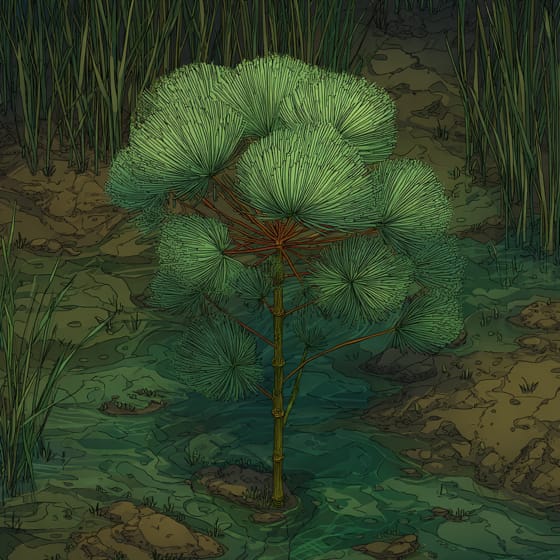
Cyperus papyrus
Provides crucial food and dense cover in their wetland habitat.

Phragmites australis
Offers shelter and food in shallow water and marshy areas.
Furry describes animals possessing a dense covering of soft hair or fur.
Solitary animals live alone for most of their lives, only interacting with others for mating or parental care.
Characterized by having one or more hard, permanent, pointed projections on the head.
This trait characterizes organisms whose diet consists entirely or primarily of plant material.

This habitat trait identifies species found in wetlands, which are areas of land saturated with water, either permanently or seasonally, including marshes, swamps, and bogs.

Aquatic habitats encompass environments where organisms live predominantly in water, including oceans, rivers, lakes, and wetlands.

Endangered status indicates a species is at a very high risk of extinction in the wild in the near future.
No aliases listed yet.
Danger
2/5 · Low
Always observe animals from a distance and never try to touch or chase them.
The easiest way to identify Sitatunga is to use the Snappit nature identifier app.
135-170 cm
40-120 kg
10-15 years
50 km/h
Sitatungas are plant-eaters that munch on juicy leaves, grasses, and shoots found in their watery homes.
Wetlands
Foraging
Zoom in to split clusters and explore where this object has been snapped.
Recent snaps will appear here as new observations are added.
Take the discovery with you
Snap it with Snappit to identify it, learn what makes it special, and add the discovery to your collection.





.jpg&width=800)



.JPG&width=800)


.jpg&width=800)
