Skinks
Scincidae
Skinks are small, shiny lizards with smooth bodies and short legs. They love to hide under rocks and leaves, making them fun to spot in the wild!
Habitat: Grasslands
The Skinks has a sleek, often glossy body covered in smooth, overlapping scales, giving them a shiny appearance. They typically have short limbs and a long, tapering tail, differing from other lizards by their generally more streamlined, snake-like form. Colors vary widely, from earthy browns and grays to vibrant patterns or iridescent hues.
Category
ReptilesRarity
Common
Danger
1/5 · Very low
Snaps
Be the first to snap!
A few skinks have almost no legs, looking more like snakes, but they still have tiny limbs!
Many skinks have shiny, slippery scales that help them glide through sand or soil like a fish!
Skinks are found on every continent except Antarctica, showing how adaptable they are!
Some skinks are pregnant for months and give birth to live babies, just like mammals!
Skinks can drop their tail if a predator grabs it, because a special break-point in their vertebrae allows them to escape.
Skinks have super smooth, overlapping scales that help them glide quickly through sand or loose soil, hiding from danger.
Some skinks have a clear 'window' in their lower eyelid, that helps them see even when their eyes are closed.
Some skink species give birth to live young, a rare trait for lizards that helps their babies survive.
Skinks mainly munch on small insects and other invertebrates, helping keep gardens pest-free!
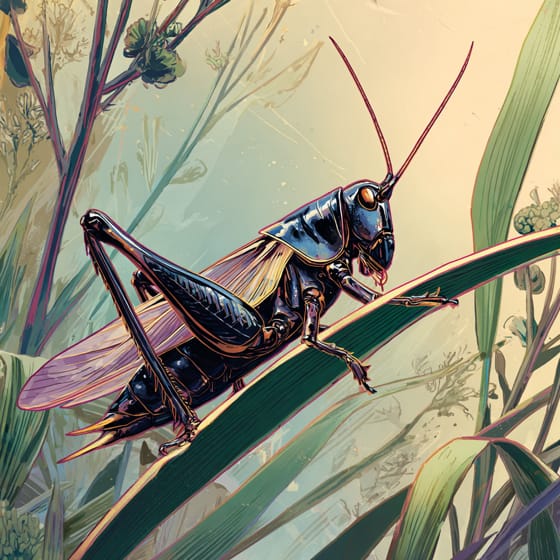
Gryllus assimilis
Skinks actively hunt and consume these common insects.
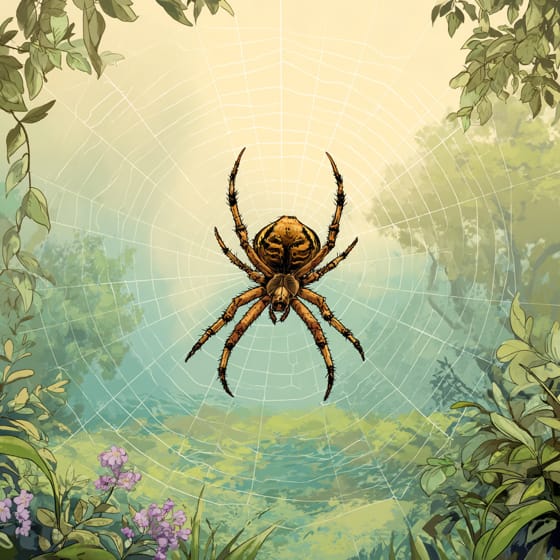
Araneus diadematus
Many skinks prey on spiders found in their terrestrial habitats.
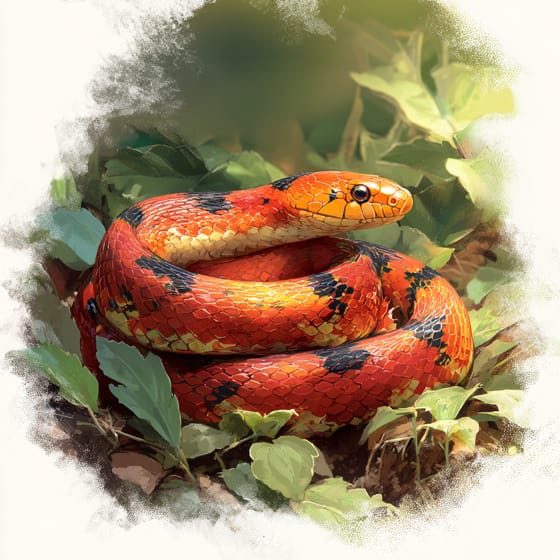
Pantherophis guttatus
Snakes like the Corn Snake are common predators of skinks.
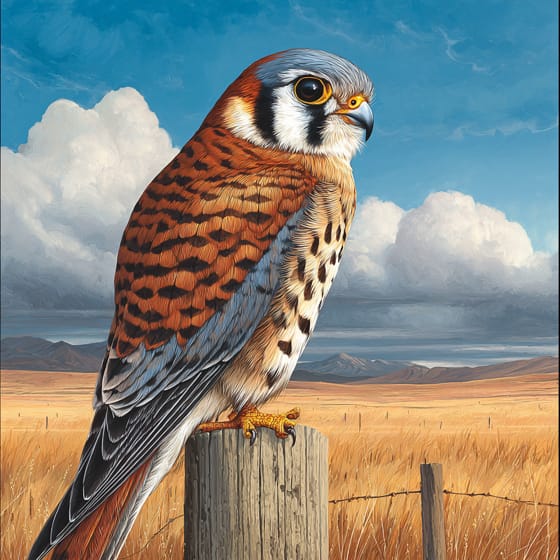
Falco sparverius
Small birds of prey frequently hunt and consume skinks.
Solitary animals live alone for most of their lives, only interacting with others for mating or parental care.
Arboreal animals live primarily in trees, utilizing them for shelter, food, and protection from predators.
Camouflaged describes organisms that possess coloring or patterns that allow them to blend into their environment.
Colorful describes organisms or objects displaying a wide range of bright and distinct colors.

Grassland habitats are terrestrial biomes dominated by grasses and herbaceous plants, supporting a variety of grazing animals.

This trait identifies organisms whose diet primarily consists of insects and other small invertebrates.

Diurnal animals are primarily active during daylight hours, typically resting or sleeping at night.
Regenerative organisms possess the ability to regrow lost or damaged body parts, tissues, or organs.

This trait identifies organisms that exhibit exceptional swiftness in movement for hunting, escape, or travel.
No aliases listed yet.
Danger
1/5 · Very low
Always watch skinks from a distance and don't try to catch them.
The easiest way to identify Skinks is to use the Snappit nature identifier app.
8-35 cm
0.01-0.5 kg
3-10 years
15 km/h
Skinks mainly munch on small insects and other invertebrates, helping keep gardens pest-free!
Grasslands
Foraging
Zoom in to split clusters and explore where this object has been snapped.
Recent snaps will appear here as new observations are added.
Take the discovery with you
Snap it with Snappit to identify it, learn what makes it special, and add the discovery to your collection.