





Slaty Skimmer
Libellula incesta
The Slaty Skimmer is a beautiful dragonfly with shiny blue wings. It loves to fly around ponds and lakes, where it catches tiny insects to eat.
Habitat: Wetlands
The Slaty Skimmer is a medium to large dragonfly, known for its deep, powdery blue-gray body in mature males, giving it a 'slaty' appearance. Immature males and females are a dull yellowish-brown. Its wings have notably dark veins and often a faint dark streak at the base of the hindwings.
Category
InsectsRarity
Common
Danger
1/5 · Very low
Snaps
23
Baby Slaty Skimmers live underwater for up to two years before transforming!
Dragonflies can move each of their four wings independently, allowing for incredible flight tricks!
Sometimes, they'll perch on warm rocks to soak up sunshine and get energized!
Their large compound eyes have thousands of tiny lenses for amazing all-around vision!
Slaty Skimmer can catch flying insects mid-air using its keen eyesight and agile flight, helping them secure food.
Slaty Skimmer has special pruinescence that turns its body from brown to powdery blue-gray, signaling its readiness to mate.
Slaty Skimmer larvae live underwater and munch on mosquito larvae, helping to keep aquatic environments healthy.
Slaty Skimmer larvae can camouflage themselves in pond muck, quickly ambushing prey that swims too close.
These speedy hunters snatch up smaller insects right out of the air for a tasty meal!
Age differences: Larvae (nymphs) are aquatic ambush predators, eating insect larvae and small aquatic creatures; adults hunt flying insects.
Culex pipiens
Larvae actively hunt and eat their aquatic larvae.
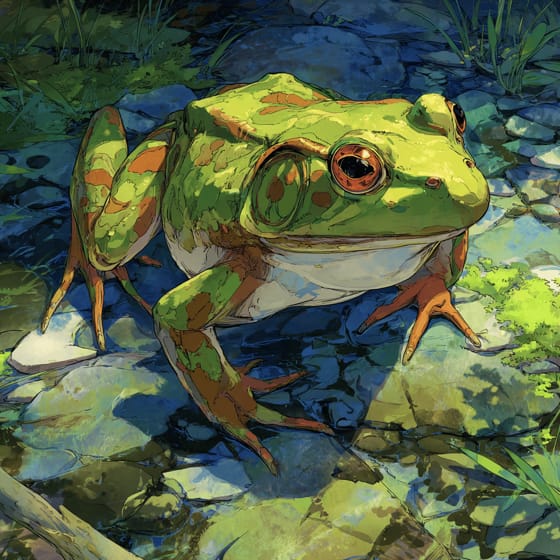
Lithobates catesbeianus
Adult Slaty Skimmers are prey for larger frogs.
.jpg&width=800)
Tyrannus tyrannus
Birds catch adult dragonflies in mid-air.
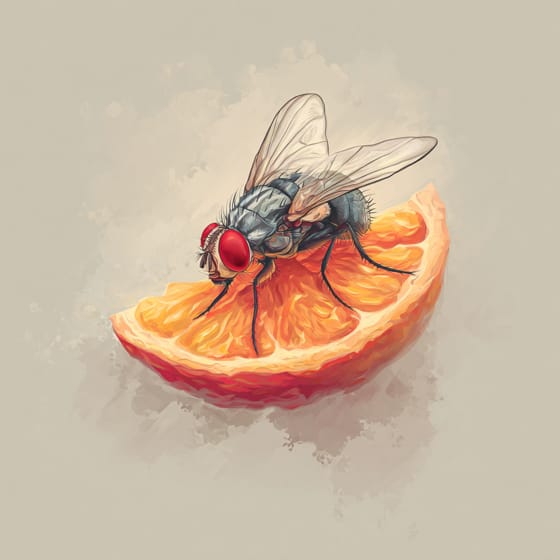
Drosophila melanogaster
Adults actively pursue and eat small flying insects.
Aerial creatures spend a significant portion of their lives airborne, utilizing flight for various activities such as hunting, migration, or nesting.
Colorful describes organisms or objects displaying a wide range of bright and distinct colors.
This trait identifies organisms whose diet primarily consists of insects and other small invertebrates.
This habitat trait identifies species found in wetlands, which are areas of land saturated with water, either permanently or seasonally, including marshes, swamps, and bogs.

Diurnal animals are primarily active during daylight hours, typically resting or sleeping at night.

Freshwater habitats include non-saline aquatic environments such as rivers, lakes, ponds, and wetlands, vital for numerous species.

This trait identifies organisms that exhibit exceptional swiftness in movement for hunting, escape, or travel.

Describes organisms that transfer pollen, enabling the fertilization and reproduction of plants.
No aliases listed yet.
Danger
1/5 · Very low
Dragonflies are harmless, but it's best to watch them from a distance.
The easiest way to identify Slaty Skimmer is to use the Snappit nature identifier app.
70-86 mm
45-58 mm
30-180 days
45 km/h
These speedy hunters snatch up smaller insects right out of the air for a tasty meal!
Wetlands
Pursuit
Zoom in to split clusters and explore where this object has been snapped.

Massachusetts, US
You might spot Eastern White Pine and Common Eastern Bumble Bee.
View guide →

Maryland, US
You might spot American Cancer-Root and Rue Anemone.
View guide →

US
You might spot Wharf Louse, Osprey, and Ruddy Turnstone.
View guide →

Ohio, US
You might spot Widow Skimmer, Eastern Pondhawk, and Bee.
View guide →

Ohio, US
You might spot Blue-Fronted Dancer, American Rubyspot, and Fowler's Toad.
View guide →

Massachusetts, US
You might spot Striped Wintergreen, Painted Turtle, and Canada Goose.
View guide →
Take the discovery with you
Snap it with Snappit to identify it, learn what makes it special, and add the discovery to your collection.








.jpg&width=800)



