





small camas
Camassia quamash
Small camas is a pretty flower that grows in fields and meadows. It has bright blue petals and is loved by bees and butterflies. These flowers bloom in spring and are a special sight in nature!
Habitat: Grasslands
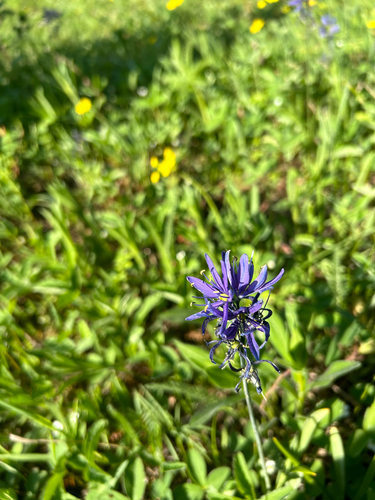
The small camas has tall, slender stalks topped with clusters of star-shaped flowers, usually a vibrant lavender-blue or white. Its narrow, grass-like leaves emerge from the base, making it visually distinct from its showy blooms.
Category
PlantsRarity
Common
Danger
1/5 · Very low
Snaps
7
After wildfires, dormant camas bulbs can quickly sprout, helping to reseed and restore burned areas!
Each stalk can have dozens of beautiful, individual flowers, but each one only lasts about a day!
Its edible bulb looks just like the deadly poisonous 'death camas' bulb – so don't eat it raw!
Native Americans widely harvested and roasted camas bulbs, often in huge underground ovens!
Small camas has a deep underground bulb that stores energy, helping it survive fires and harsh winters.
Small camas can thrive in wet meadows and prairies, adapting its roots to various soil moistures.
Small camas clusters many vibrant, star-shaped flowers to create a bright target for busy insect pollinators.
Apis mellifera
Attracted to the nectar.

Marmota flaviventris
Bulbs are dug up.
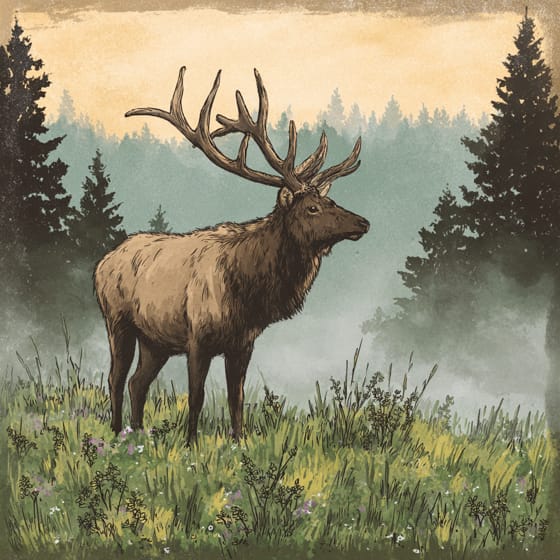
Cervus canadensis
Bulbs and foliage.
Flowering plants are any plants that produce flowers as part of their reproductive cycle.
Cluster flowers are inflorescences where individual flowers are arranged closely together on a common stem.
Spring blooming plants produce their flowers during the spring season, often signifying the end of winter and the start of new growth.
Fragrant flowers emit a pleasant aroma, often to attract pollinators or for defense.

Edible plants are those parts of a plant that are considered safe for human consumption.

Grassland habitats are terrestrial biomes dominated by grasses and herbaceous plants, supporting a variety of grazing animals.

Describes plants that are particularly attractive and beneficial to a wide range of pollinating organisms.
No aliases listed yet.
Danger
1/5 · Very low
Do not eat any wild plants unless you are sure they are safe and have permission from an adult.
The easiest way to identify small camas is to use the Snappit nature identifier app.
20-60 cm
10-20 cm
2-5 cm
Late spring to early summer
Yes
None
Perennial
Zoom in to split clusters and explore where this object has been snapped.
Jun 9, 2025
St. Mary Utility Area Historic DistrictPhoto attribution
(c) lyralevin, some rights reserved (CC BY-SA)
License: CC BY-SA 4.0 ↗
Image may be shown cropped inside the card frame.
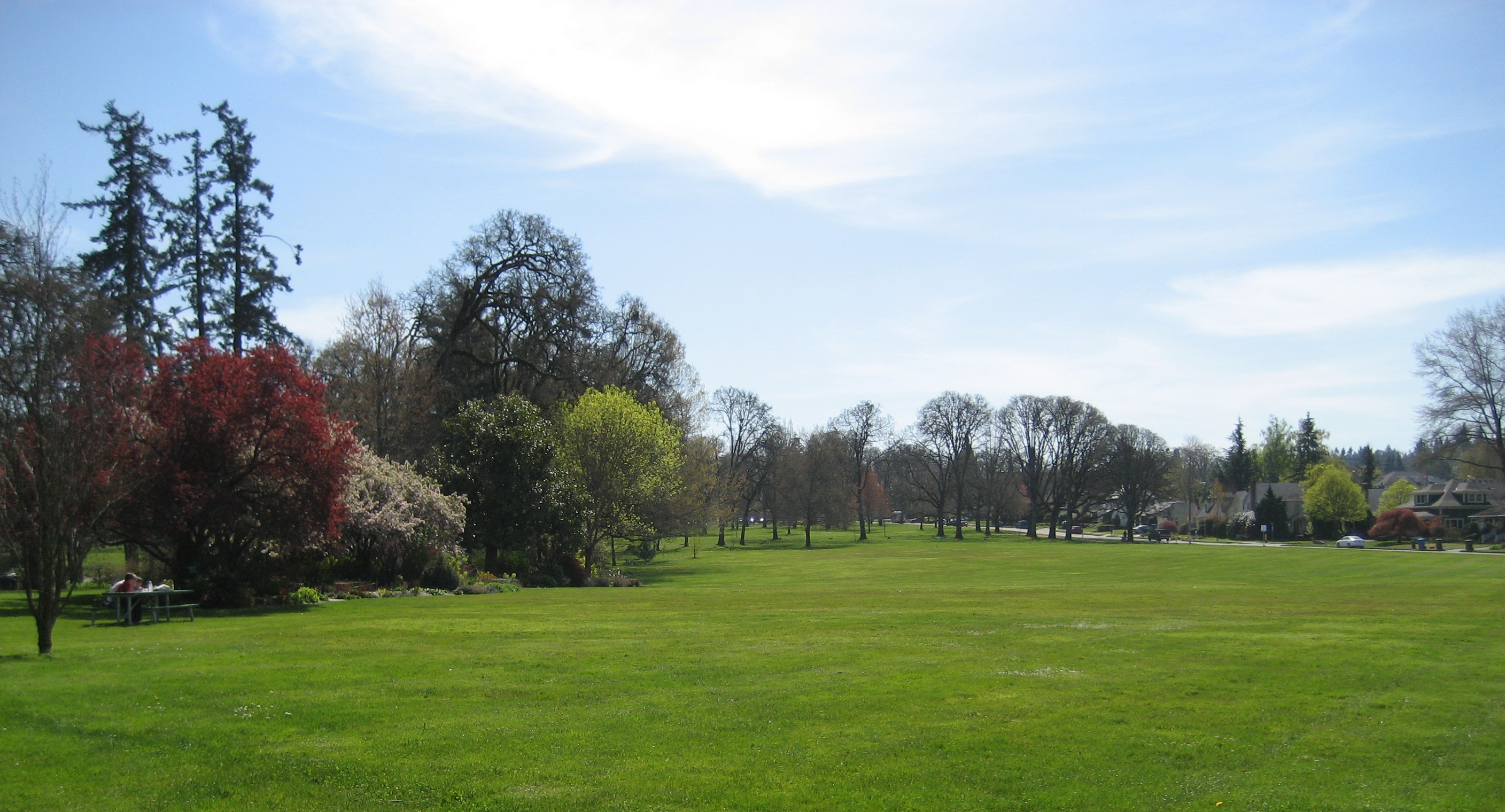
Oregon, US
You might spot Oregon Oak and Douglas's Ground Squirrel.
View guide →

Montana, US
You might spot Black Bear, Moose, and Lodgepole Pine.
View guide →

Montana, US
You might spot Thimbleberry, White-Tailed Deer, and Spreading Dogbane.
View guide →
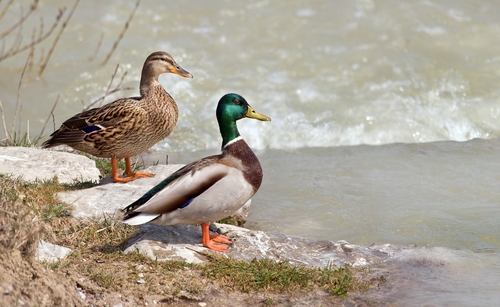
Washington, US
You might spot Duck, Yellow-Bellied Marmot, and Canada Goose.
View guide →

Idaho, US
You might spot Elk, Morrison's Bumble Bee, and Common Cowparsnip.
View guide →

Montana, US
You might spot Sticky Geranium, Osprey, and Brown Bear.
View guide →
Take the discovery with you
Snap it with Snappit to identify it, learn what makes it special, and add the discovery to your collection.







.jpg&width=800)


_001.jpg&width=800)



