.jpg&width=800)





Small Milkweed Bug
lygaeus kalmii
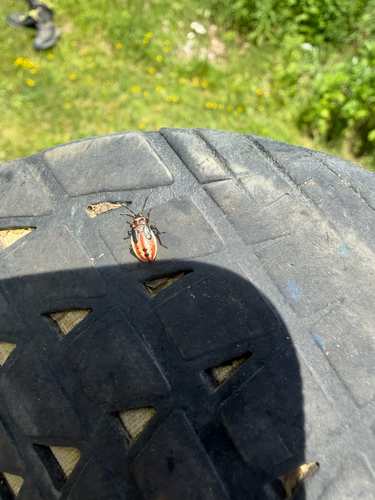
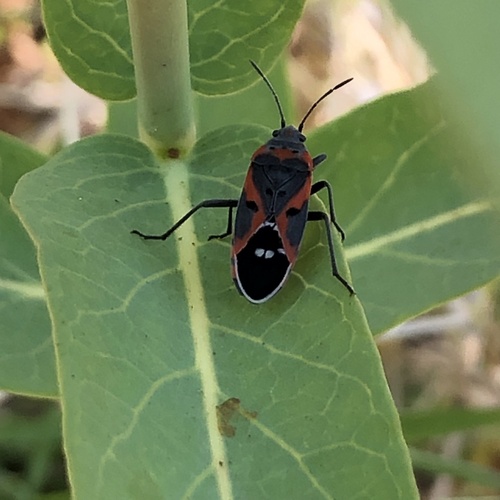
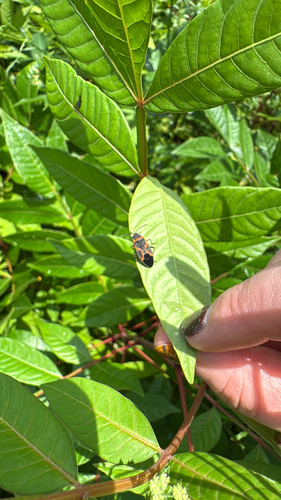
The Small Milkweed Bug is a tiny insect that loves to munch on milkweed plants! With its bright orange and black colors, it's easy to spot in the garden!
Habitat: They live in gardens, fields, and areas where milkweed grows.
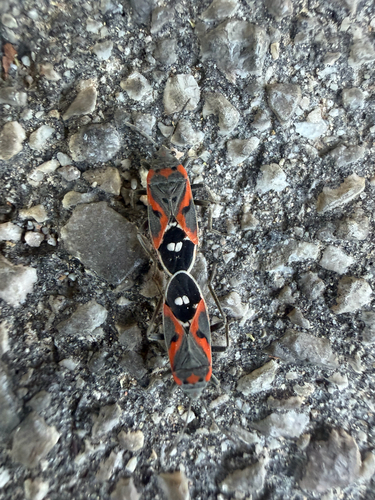
The Small Milkweed Bug has a distinct black and red-orange pattern across its back, often resembling an 'X' or hourglass shape. Its body is elongated and somewhat flattened, with long antennae and legs. This bright coloration makes it stand out against green milkweed leaves.
Category
InsectsRarity
Common
Danger
0/5 · No known danger
Snaps
32
Baby milkweed bugs (nymphs) are bright red and look like tiny, wingless versions of adults!
Some milkweed bugs survive winter by hiding under leaves or bark, waiting for warmer weather!
Their scientific name honors a famous Swedish botanist, Pehr Kalm, who explored North America!
They often gather in groups on milkweed seed pods, which can hold hundreds of seeds!
Small Milkweed Bug has bright red and black patterns that help them warn predators 'I taste bad, so don't eat me!'
Small Milkweed Bug can store toxins from milkweed plants because of special adaptations that help them become unappetizing to predators.
Small Milkweed Bug can sip nutrients from tough milkweed seeds because of their straw-like mouthparts that help them pierce seeds.
These bugs use straw-like mouthparts to drink fluids from milkweed seeds.

Asclepias syriaca
Provides primary food source (seeds and nectar) and shelter for all stages.
Podisus maculiventris
A predatory stink bug that hunts and preys on various smaller insects.
Arilus cristatus
A large predatory assassin bug that ambushes and feeds on many insects.
Social animals live in organized groups, cooperating for survival benefits such as foraging, defense, and raising offspring.
Colorful describes organisms or objects displaying a wide range of bright and distinct colors.
This trait characterizes organisms whose diet consists entirely or primarily of plant material.
Diurnal animals are primarily active during daylight hours, typically resting or sleeping at night.

Describes organisms that transfer pollen, enabling the fertilization and reproduction of plants.
Danger
0/5 · No known danger
No special safety notes yet.
The easiest way to identify Small Milkweed Bug is to use the Snappit nature identifier app.
10-14 mm
4-6 mm
30-60 days
These bugs use straw-like mouthparts to drink fluids from milkweed seeds.
They live in gardens, fields, and areas where milkweed grows.
Foraging
6
Zoom in to split clusters and explore where this object has been snapped.
Jun 16, 2026
Geauga Park DistrictPhoto attribution
(c) Steven Wang, some rights reserved (CC BY)
License: CC BY 4.0 ↗
Image may be shown cropped inside the card frame.
Jun 4, 2026
Andree Clark Bird RefugePhoto attribution
(c) Christine Melvin, some rights reserved (CC BY)
License: CC BY 4.0 ↗
Image may be shown cropped inside the card frame.
Jun 2, 2026
Las Vegas High School Neighborhood Historic DistrictPhoto attribution
(c) Katrina Smith, some rights reserved (CC BY)
License: CC BY 4.0 ↗
Image may be shown cropped inside the card frame.
May 28, 2026
Tennessee AquariumPhoto attribution
(c) charlie olson, some rights reserved (CC BY)
License: CC BY 4.0 ↗
Image may be shown cropped inside the card frame.

Massachusetts, US
You might spot Common Eastern Bumble Bee and Asian Lady Beetle.
View guide →

Colorado, US
You might spot Eastern Fox Squirrel, Bee, and Duck.
View guide →

Connecticut, US
You might spot Downy Woodpecker and Eastern Gray Squirrel.
View guide →
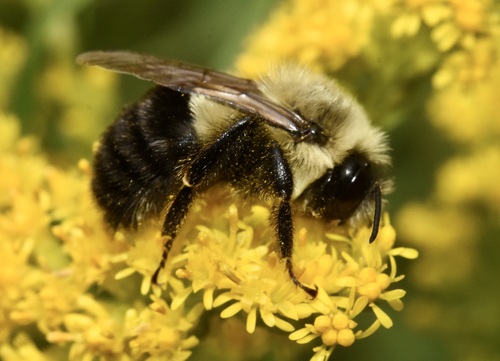
Ohio, US
You might spot Common Eastern Bumble Bee, Sensitive Fern, and Mayapple.
View guide →

Tennessee, US
You might spot Monarch and Eastern Tiger Swallowtail.
View guide →

Maine, US
You might spot Pink Lady's Slipper, Wood Lily, and Great Blue Heron.
View guide →
Take the discovery with you
Snap it with Snappit to identify it, learn what makes it special, and add the discovery to your collection.







.jpg&width=800)



