Smallmouth buffalo
Ictiobus bubalus
The Smallmouth buffalo is a big fish that lives in rivers and lakes. It has a strong body and can swim very fast! These fish are fun to watch as they splash around in the water.
Habitat: Lakes and rivers
The Smallmouth buffalo has a deep, compressed body, typically appearing dark bronze to olive-brown. It features a distinctively small, downward-pointing mouth and large, prominent scales, making it visually different from slender, sharp-mouthed fish.
Category
FishRarity
Common
Danger
2/5 · Low
Snaps
Be the first to snap!
Believe it or not, it's one of North America's largest native sucker fish!
Smallmouth buffalo can live for almost 20 years, making them freshwater old-timers!
They help clean lakes by vacuuming up tiny plants and critters from the bottom.
This fish is a strong swimmer, but rarely seen jumping out of the water!
Smallmouth buffalo can sift through mud and debris because of their specialized, protrusible mouth, helping them find tiny food items.
Smallmouth buffalo have taste buds on their fins and body that help them detect food without seeing it.
Smallmouth buffalo can survive in murky, low-oxygen water because they are very tolerant to poor aquatic conditions.
Smallmouth buffalo has a long lifespan, reaching nearly two decades, that helps them reproduce many times over their life.
They are bottom feeders that vacuum up tiny plants and animals from muddy lake and river beds.
Lepisosteus oculatus
Gars hunt young buffalo in murky waters.
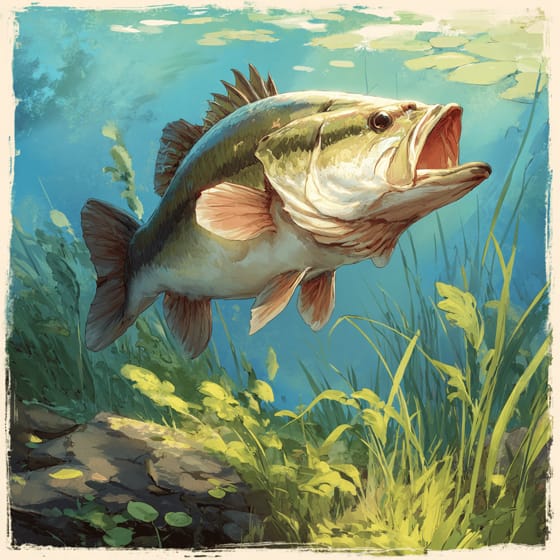
Micropterus salmoides
Bass prey on juvenile buffalo when they are small.
Daphnia pulex
Smallmouth buffalo filter-feed on these tiny crustaceans.
Chironomus plumosus
Buffalo consume these insect larvae from the bottom.
Social animals live in organized groups, cooperating for survival benefits such as foraging, defense, and raising offspring.
This trait identifies organisms whose diet includes both plant and animal matter.
This trait characterizes organisms whose diet consists entirely or primarily of plant material.
Freshwater habitats include non-saline aquatic environments such as rivers, lakes, ponds, and wetlands, vital for numerous species.

This trait identifies organisms that exhibit exceptional swiftness in movement for hunting, escape, or travel.

Giant describes organisms or objects of significantly larger size than average for their species or type.

Migratory animals undertake seasonal movements from one region to another, typically in response to changes in climate or food availability.
No aliases listed yet.
Danger
2/5 · Low
Always stay safe by keeping a distance from the water and never go swimming alone.
The easiest way to identify Smallmouth buffalo is to use the Snappit nature identifier app.
40-120 cm
2-27 kg
8-18 years
They are bottom feeders that vacuum up tiny plants and animals from muddy lake and river beds.
15 km/h
Lakes and rivers
Filter Feeding
Zoom in to split clusters and explore where this object has been snapped.
Recent snaps will appear here as new observations are added.
Take the discovery with you
Snap it with Snappit to identify it, learn what makes it special, and add the discovery to your collection.