





Snakeweed Grasshopper
Hesperotettix viridis
The Snakeweed Grasshopper is a small, green insect that loves to hop around in sunny places. It blends in with the grass and plants, making it a fun surprise to spot!
Habitat: Grasslands
The Snakeweed Grasshopper is typically bright green or yellowish-green, often with lighter stripes on its head and thorax. Its coloration perfectly mimics its host plant, making it almost invisible amongst snakeweed foliage. Some can even be brownish.
Category
InsectsRarity
Common
Danger
1/5 · Very low
Snaps
Be the first to snap!
It can lay up to 100 eggs at once, buried safely underground!
It has special "ears" located on its abdomen, not its head!
Its powerful jaws are perfect for munching tough snakeweed plants.
Some snakeweed grasshoppers can change color slightly to blend in better.
Snakeweed Grasshopper can eat toxic snakeweed plants because it has special enzymes that neutralize their poisons.
Snakeweed Grasshopper has a vibrant green body that helps them blend seamlessly with their plant habitat, avoiding predators.
Snakeweed Grasshopper can rub its legs and wings together to create unique chirping sounds for communicating with other grasshoppers.
Snakeweed Grasshopper can launch itself many times its body length using powerful back legs, helping them quickly escape danger.
This grasshopper primarily eats snakeweed plants, digesting toxins others can't!

Gutierrezia sarothrae
Its primary food source in arid grasslands.
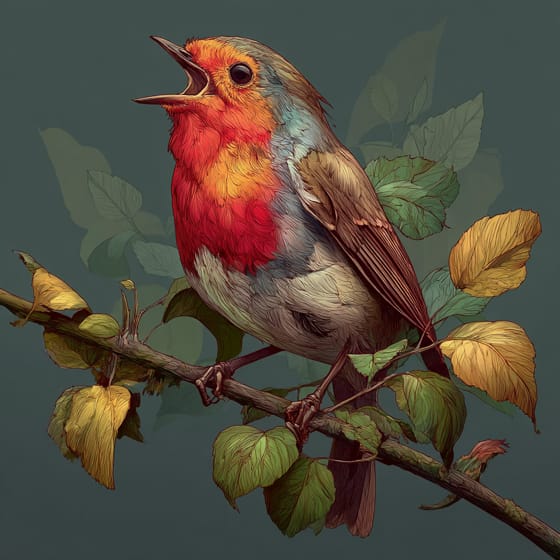
Turdus migratorius
Robins are common bird predators in its habitat.
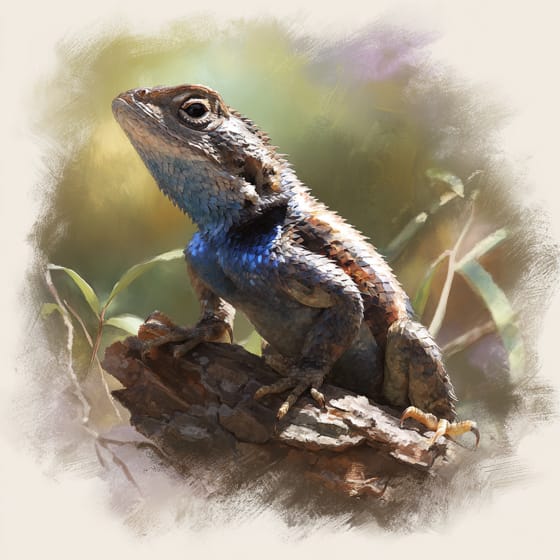
Sceloporus undulatus
Lizards often prey on grasshoppers in sunny areas.

Argiope aurantia
Large spiders can capture grasshoppers in their webs.
Social animals live in organized groups, cooperating for survival benefits such as foraging, defense, and raising offspring.
Camouflaged describes organisms that possess coloring or patterns that allow them to blend into their environment.
Grassland habitats are terrestrial biomes dominated by grasses and herbaceous plants, supporting a variety of grazing animals.
This trait characterizes organisms whose diet consists entirely or primarily of plant material.

Diurnal animals are primarily active during daylight hours, typically resting or sleeping at night.

Describes organisms that transfer pollen, enabling the fertilization and reproduction of plants.
No aliases listed yet.
Danger
1/5 · Very low
Grasshoppers are safe to watch, but don't try to catch them too quickly!
The easiest way to identify Snakeweed Grasshopper is to use the Snappit nature identifier app.
20-40 mm
11-24 mm
30-90 days
5-10 km/h
This grasshopper primarily eats snakeweed plants, digesting toxins others can't!
Grasslands
Foraging
Zoom in to split clusters and explore where this object has been snapped.
Recent snaps will appear here as new observations are added.
Take the discovery with you
Snap it with Snappit to identify it, learn what makes it special, and add the discovery to your collection.






.jpg&width=800)




