





Soft Rush
Juncus effusus
Soft Rush is a tall, grassy plant that grows in wet places like marshes and ponds. Its soft, round stems sway gently in the breeze, making it a lovely sight in nature.
Habitat: Wetlands
The Soft Rush is a grass-like plant with dense clumps of upright, smooth, unbranched cylindrical green stems. It lacks obvious flat leaves, making it distinct from many grasses. Tiny, brownish flowers appear near the stem tips in summer.
Category
PlantsRarity
Common
Danger
1/5 · Very low
Snaps
4
Ancient people used its spongy stem insides as wicks for candles!
Its stems feel surprisingly soft, giving this plant its gentle name!
This tough plant can grow in both fresh water and slightly salty water!
Unlike most plants, Soft Rush doesn't have flat leaves, only round, hollow stems!
Soft Rush can soak up extra nutrients and pollutants, helping to keep wetland water clean.
Soft Rush has deep, spreading roots that firmly hold soil in place, preventing erosion.
Soft Rush can bend easily with wind and water currents, preventing its stems from breaking.
Anas platyrhynchos
eats seeds and young shoots from the plant
Bufo bufo
hides and finds shelter among its dense stems
Microtus pennsylvanicus
grazes on tender parts, including stems and roots
%2C_Mauritius.jpg&width=800)
Gallinula chloropus
builds nests and shelters in thick rush beds
Flowering plants are any plants that produce flowers as part of their reproductive cycle.
Grass-like plants are herbaceous plants that visually resemble true grasses, typically having long, narrow leaves.
This human use trait identifies species that yield natural fibers, used by humans for textiles, rope, paper, and other manufactured goods.
Describes plants that are particularly attractive and beneficial to a wide range of pollinating organisms.

Rapid growing plants exhibit accelerated growth rates, quickly increasing in size and biomass within a short period.

This habitat trait identifies species found in wetlands, which are areas of land saturated with water, either permanently or seasonally, including marshes, swamps, and bogs.

Freshwater habitats include non-saline aquatic environments such as rivers, lakes, ponds, and wetlands, vital for numerous species.
No aliases listed yet.
Danger
1/5 · Very low
Always stay on paths when exploring wetlands and be careful around water.
The easiest way to identify Soft Rush is to use the Snappit nature identifier app.
30-100 cm
30-60 cm
0.1-0.2 cm
Summer
No
None
Perennial
Zoom in to split clusters and explore where this object has been snapped.

Florida, US
You might spot American Beautyberry and Brown Anole.
View guide →

Tennessee, US
You might spot Eastern Bluebird and Red-Shouldered Hawk.
View guide →

Georgia, US
You might spot Roseate Spoonbill and American Alligator.
View guide →

Georgia, US
You might spot American Alligator, Laughing Gull, and Cannonball Jelly.
View guide →

Georgia, US
You might spot Joro Spider, Carolina Wren, and Blue-Fronted Dancer.
View guide →
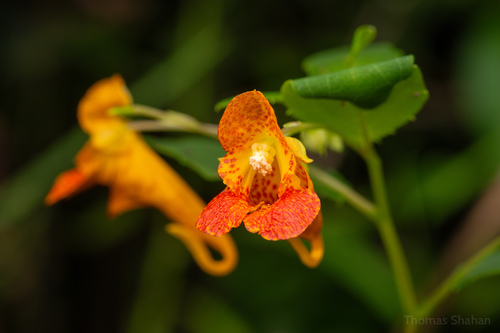
Virginia, US
You might spot Common Jewelweed, Willow Oak, and American Jumpseed.
View guide →
Take the discovery with you
Snap it with Snappit to identify it, learn what makes it special, and add the discovery to your collection.








.jpg&width=800)



_001.jpg&width=800)




