Eastern Bluebird

Rosemark, Tennessee, is a charming, historic rural community that offers a tranquil glimpse into the past.
Rosemark, Tennessee, is a charming, historic rural community that offers a tranquil glimpse into the past. This unincorporated settlement, originally known as Richland, boasts a rich agricultural heritage and a well-preserved historic district. It stands as a testament to early American farming communities, retaining its unique character despite its proximity to suburban Memphis.
Visitors can explore the Rosemark Historic District, which spans approximately 115 acres and was listed on the National Register of Historic Places in 2013. This district features 72 contributing properties, including the historic cotton gin and lint house, early 20th-century schools, a bank, a Masonic lodge building, two churches, various stores, and 24 residences, many showcasing the prevalent bungalow architectural style. The Rosemark-Kerrville Heritage Tour Route, introduced in 2021 with wayside exhibit panels, further enhances the historical exploration of the area.
Rosemark is a destination for those seeking peaceful rural landscapes, a deep dive into local history, and an escape from the hustle and bustle of city life. Its well-preserved architecture and serene atmosphere provide a memorable experience for history buffs, photographers, and anyone interested in the enduring legacy of West Tennessee's agricultural past. The community also hosts events like the annual Rosemark Country Fair, offering a vibrant local experience. Unlock an interactive field guide for this spot: get the Snappit app to identify nature on the go.
The area now known as Rosemark was settled as early as the 1830s and was originally called Richland, a name reflecting its fertile soil ideal for cotton farming. The community's name changed to Rosemark in 1890 when it sought a post office, as another Tennessee community already bore the name Richland. Richland, however, is still used by several community institutions. For much of its history, Rosemark thrived as an agricultural crossroads, with significant growth in the decades following the Civil War, including the establishment of churches, stores, and a cotton gin. By the early 20th century, the community supported a cooperative telephone company, a bank, and various other businesses. The Rosemark Historic District, with its numerous intact early to mid-20th-century farmhouses, commercial structures, and agricultural buildings, serves as a prime example of a rural agricultural district in West Tennessee.
Take a self-guided tour of the Rosemark Historic District, follow the Rosemark-Kerrville Heritage Tour Route, and appreciate the preserved architecture. Explore the historic churches, such as the Richland Associate Reformed Presbyterian Church and the Rosemark Presbyterian Church. Enjoy the peaceful rural scenery and look for historical markers that detail the area's past.
Spring: Mild temperatures, blooming wildflowers, and lush green landscapes make for excellent photography.
Summer: Warm and humid, best for early morning or late afternoon visits.
Fall: Cooler temperatures and fall foliage enhance the scenic beauty. The annual Rosemark Country Fair typically takes place on the last Saturday of September.
Winter: Generally mild, but some historic sites might have limited hours.
As a historic rural community, accessibility can vary. Sidewalks may be limited, and many historic buildings might not be fully wheelchair accessible. The Rosemark Telephone Exchange Museum has raised platforms for exterior viewing.
The Rosemark Historic District itself, featuring historic buildings like the cotton gin, churches, and residences. The Rosemark Telephone Exchange Museum offers a unique look into early telecommunications, with raised platforms for viewing its interior. The Dr. Peter Flippin Country Doctor Museum, which is part of the Historic Archives of Rosemark & Environs, Inc., provides insight into the life of a rural physician.
Each card links to a full Explore page with photos, traits, and fun facts.














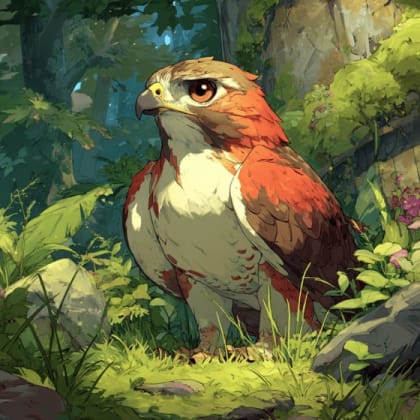


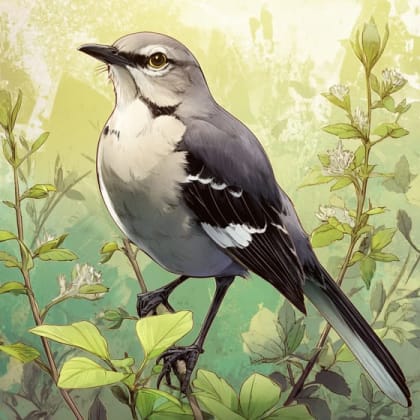




















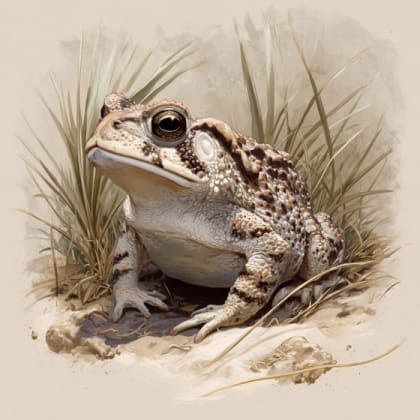







Start with the big picture, then zoom in to explore individual wildlife observations around this place.
Wear comfortable shoes
You'll likely be walking to explore the historic district and various sites.
Bring a camera
The historic architecture and rural scenery offer excellent photographic opportunities.
Check for event schedules
If interested in local events, verify dates for the Rosemark Country Fair or other community gatherings.
Consider a self-guided driving tour
The Rosemark-Kerrville Heritage Tour Route is designed for exploration and features wayside exhibit panels.
Plan for limited dining options
Rosemark is a small community, so local dining might be limited. Consider the nearby Barretville General Store for homestyle meals.
Respect private property
Many historic buildings are private residences; observe them from public areas.
Aug 6, 2025
Photo attribution
(c) Mark Jefferson Lawrence, some rights reserved (CC BY)
License: CC BY 4.0 ↗
Image may be shown cropped inside the card frame.
Jun 16, 2026
Jun 5, 2026
Jun 4, 2026
May 19, 2026

Maryland, US
You might spot White-Tailed Deer and Eastern Gray Squirrel.
View guide →
.jpg)
District of Columbia, US
You might spot Eastern Gray Squirrel, Duck, and House Sparrow.
View guide →

Illinois, US
You might spot American Robin, Canada Goose, and House Sparrow.
View guide →

Virginia, US
You might spot Spotted Lanternfly and Northern Cardinal.
View guide →
Take the discovery with you
Identify the wildlife you spot, learn as you go, and keep a collection of the adventure.

.jpg&width=800)