.jpg&width=800)





Solitary Sandpiper
Tringa solitaria
The Solitary Sandpiper is a small, wading bird that loves to explore wetlands and muddy shores. With its long legs and spotted belly, it looks for tasty insects and tiny fish to eat.
Habitat: Wetlands
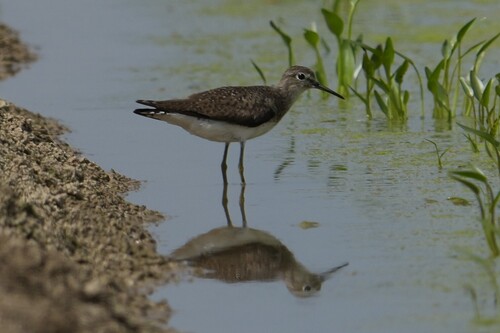
The Solitary Sandpiper has a dark greenish-brown back speckled with fine white spots, a striking white belly, and a prominent white eye-ring. Its long, dark bill and yellowish-green legs make it distinct among shorebirds, especially its lack of white wing stripes in flight.
Category
BirdsRarity
Common
Danger
1/5 · Very low
Snaps
13
Its 'solitary' name is from migration, but they gather on wintering grounds.
These birds constantly bob their head and tail like a tiny rhythmic dancer.
They have super long toes for tip-toeing on floating pond plants!
This sandpiper is the only one that nests high up in old tree nests!
Solitary Sandpiper can wade in shallow waters because of its long legs that help them forage in muddy or vegetated wetlands.
Solitary Sandpiper has the unique ability to use old tree nests because it helps them avoid ground predators.
Solitary Sandpiper can blend into its wetland surroundings because of its spotted plumage that helps them hide from predators.
These birds slurp up tiny aquatic insects and other small critters from shallow water and mud!
Chironomus plumosus
Consumes larvae of this common insect from mud and water.
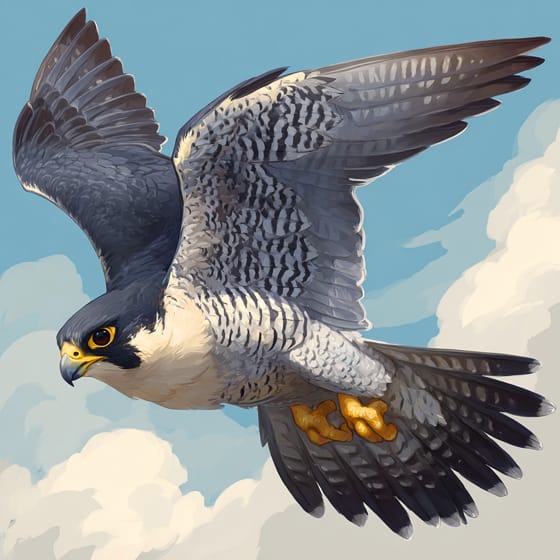
Falco peregrinus
Swift raptors may prey on them during their long migrations.
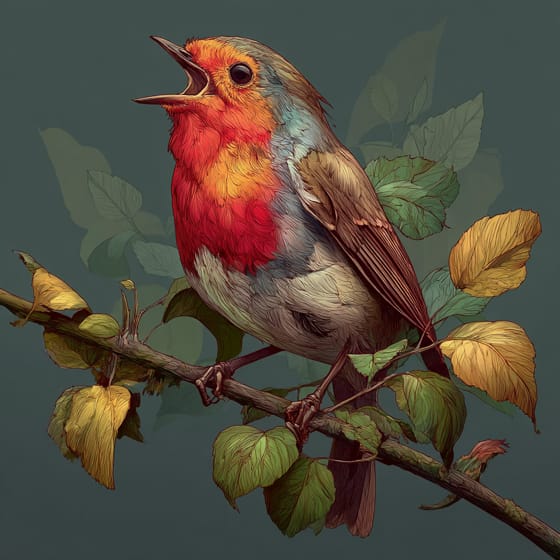
Turdus migratorius
Uses old abandoned nests of robins for laying eggs.
Feathered describes animals, primarily birds, possessing a covering of feathers.
Marked with spots or patches of a different color.
Solitary animals live alone for most of their lives, only interacting with others for mating or parental care.
This trait identifies organisms whose diet primarily consists of insects and other small invertebrates.

This habitat trait identifies species found in wetlands, which are areas of land saturated with water, either permanently or seasonally, including marshes, swamps, and bogs.

Coastal habitats are dynamic environments located along the interface between land and sea, influenced by tides, waves, and saltwater.

This trait identifies organisms whose diet consists entirely or primarily of animal tissue.

Diurnal animals are primarily active during daylight hours, typically resting or sleeping at night.

Freshwater habitats include non-saline aquatic environments such as rivers, lakes, ponds, and wetlands, vital for numerous species.

Migratory animals undertake seasonal movements from one region to another, typically in response to changes in climate or food availability.
No aliases listed yet.
Danger
1/5 · Very low
Always watch birds from a distance so they feel safe and happy.
The easiest way to identify Solitary Sandpiper is to use the Snappit nature identifier app.
18-23 cm
39-42 cm
0.031-0.065 kg
4-10 years
60 km/h
These birds slurp up tiny aquatic insects and other small critters from shallow water and mud!
Wetlands
Zoom in to split clusters and explore where this object has been snapped.
Aug 17, 2025
Crowley Historic DistrictPhoto attribution
(c) Brandon Johnson, some rights reserved (CC BY)
License: CC BY 4.0 ↗
Image may be shown cropped inside the card frame.
Aug 17, 2025
Crowley Historic DistrictPhoto attribution
(c) Brandon Johnson, some rights reserved (CC BY)
License: CC BY 4.0 ↗
Image may be shown cropped inside the card frame.

Alaska, US
You might spot Cliff Swallow, Pretty Jacob's-Ladder, and Dwarf Fireweed.
View guide →

Tennessee, US
You might spot Pond Slider, White-Tailed Deer, and Great Blue Heron.
View guide →

Washington, US
You might spot Rock Pigeon, Great Blue Heron, and Duck.
View guide →

Michigan, US
You might spot Bald Eagle, American White Pelican, and Painted Turtle.
View guide →

Illinois, US
You might spot Duck, Canada Goose, and Eastern Fox Squirrel.
View guide →
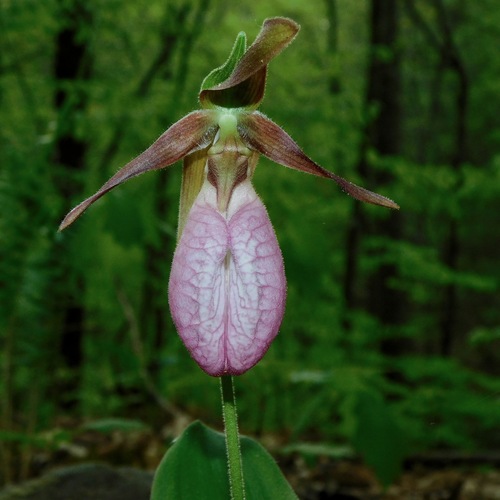
Maine, US
You might spot Pink Lady's Slipper and Common Ribbon Snake.
View guide →
Take the discovery with you
Snap it with Snappit to identify it, learn what makes it special, and add the discovery to your collection.




.jpg&width=800)







