.jpg&width=800)





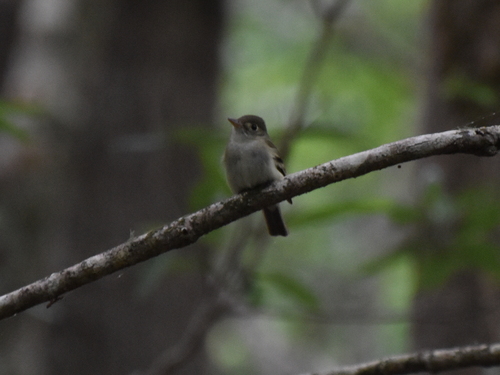
Acadian Flycatcher
Empidonax virescens
The Acadian Flycatcher is a small, cheerful bird that loves to sing in the trees. It has a soft greenish color and can be found flitting about in the woods, catching insects to eat.
Habitat: Forests
The Acadian Flycatcher is a small, greenish-olive bird with a whitish throat and belly, often appearing slightly dull. It has a distinctive pale eye-ring and two clear whitish wing bars that help distinguish it from similar flycatchers.
Category
BirdsRarity
Common
Danger
1/5 · Very low
Snaps
6
An Acadian Flycatcher can catch hundreds of bugs in just one day!
Their unusual hanging nests often sway freely in the forest breezes.
These tiny birds migrate thousands of miles to warmer lands each year!
They use a special 'pee-tsa!' song to find mates and claim territory.
Acadian Flycatcher can dart from a perch to snatch flying insects mid-air, a skilled aerial hunter in the forest.
Acadian Flycatcher has a unique nest, often flimsy-looking but sturdy, suspended like a hammock from tree branches.
Acadian Flycatcher can use its distinct 'pee-tsa' call to communicate, helping other birds recognize its presence.
These tiny birds primarily eat flying insects caught mid-air!
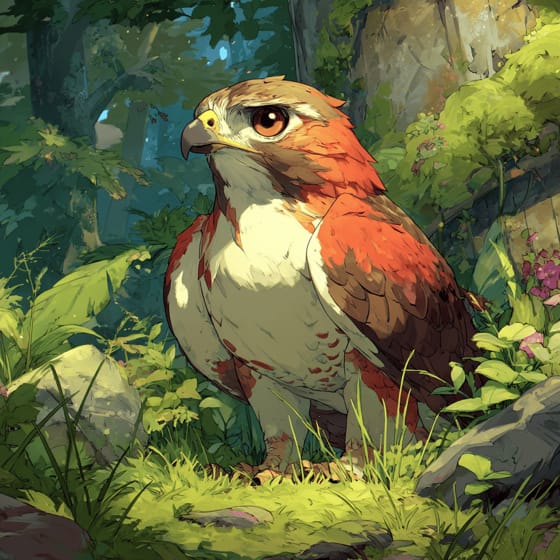
Buteo jamaicensis
Large hawks may prey on adult flycatchers.

Pantherophis obsoletus
Tree-climbing snakes can find and eat eggs or nestlings.
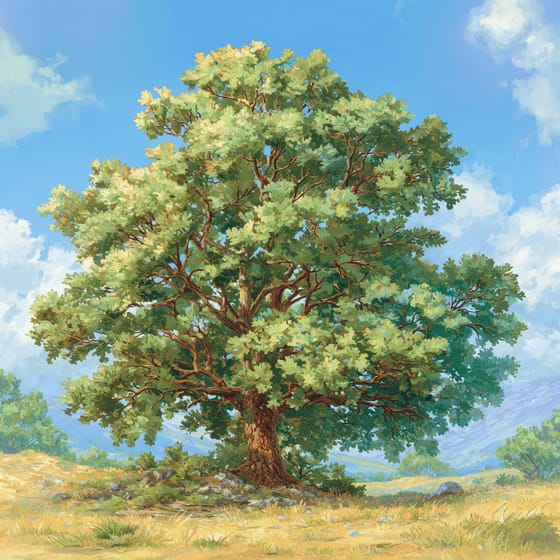
Quercus alba
They build their delicate nests within the branches of various trees.
Aedes aegypti
These birds actively hunt and consume many types of mosquitoes.
Feathered describes animals, primarily birds, possessing a covering of feathers.
Social animals live in organized groups, cooperating for survival benefits such as foraging, defense, and raising offspring.
Singing animals produce complex vocalizations, often for purposes of attracting mates, defending territory, or communicating within their species.
This trait identifies organisms whose diet primarily consists of insects and other small invertebrates.

Forest habitats are terrestrial environments dominated by dense tree cover, supporting a high diversity of plant and animal life.

Diurnal animals are primarily active during daylight hours, typically resting or sleeping at night.

Migratory animals undertake seasonal movements from one region to another, typically in response to changes in climate or food availability.
No aliases listed yet.
Danger
1/5 · Very low
Enjoy watching birds from a distance and be quiet so you don't scare them away.
The easiest way to identify Acadian Flycatcher is to use the Snappit nature identifier app.
12.5-14 cm
22-24 cm
0.01-0.014 kg
3-7 years
40 km/h
These tiny birds primarily eat flying insects caught mid-air!
Forests
Zoom in to split clusters and explore where this object has been snapped.
May 23, 2026
Francis Beidler ForestPhoto attribution
(c) Ryan Watson, some rights reserved (CC BY)
License: CC BY 4.0 ↗
Image may be shown cropped inside the card frame.

Maryland, US
You might spot Crane-Fly Orchid, Fragile Forktail, and Ebony Jewelwing.
View guide →

Alabama, US
You might spot Dwarf Palmetto and Sensitive Fern.
View guide →

South Carolina, US
You might spot Northern Cottonmouth and Brown Watersnake.
View guide →

Pennsylvania, US
You might spot Grey Alder, Sensitive Fern, and Interrupted Clubmoss.
View guide →
Take the discovery with you
Snap it with Snappit to identify it, learn what makes it special, and add the discovery to your collection.




.jpg&width=800)







