





Sonoma Chipmunk
Neotamias sonomae
The Sonoma Chipmunk is a small, striped animal that loves to scurry around in the forests. They have big cheeks that they fill with food to take back to their burrows!
Habitat: Forests
The Sonoma Chipmunk has reddish-brown fur with five dark stripes along its back, separated by lighter, grayish-white stripes. It also features two dark and three light stripes on its face, which helps distinguish it from similar chipmunk species. Its belly is whitish, and its bushy tail is reddish-brown.
Category
MammalsRarity
Common
Danger
1/5 · Very low
Snaps
1
Despite their small size, they can survive cold winters by going into a deep sleep called torpor!
Sonoma Chipmunks 'chatter' loudly to warn others about danger, like a secret forest alarm system!
They sometimes eat yummy mushrooms, helping spread their spores and grow more fungi in the forest!
This tiny chipmunk digs complex underground tunnels with different rooms for sleeping and storing food!
Sonoma Chipmunk can stuff its large cheek pouches with seeds and nuts that helps them carry lots of food to their underground pantries.
Sonoma Chipmunk has incredible climbing skills and speed that helps them quickly escape predators by scrambling up trees and rocks.
Sonoma Chipmunk can bury seeds for later meals that helps new plants grow by sometimes forgetting where some are hidden.
A tiny omnivore, it enjoys seeds, nuts, fruits, fungi, and even some insects!
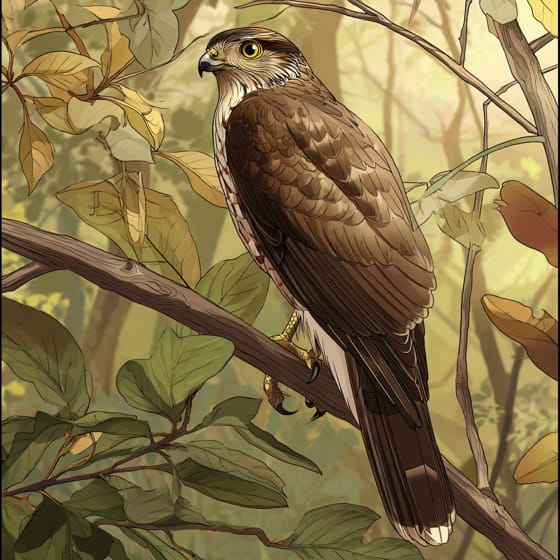
Accipiter cooperii
A swift raptor that hunts small mammals in forested areas.
Crotalus oreganus
An ambush predator that preys on rodents in its habitat.

Quercus agrifolia
Eats acorns and uses the tree for shelter and foraging.
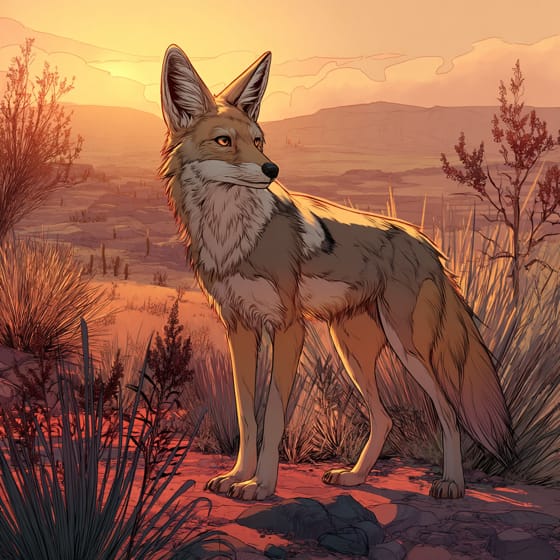
Canis latrans
A common predator in the chipmunk's woodland environment.
Furry describes animals possessing a dense covering of soft hair or fur.
Marked with parallel bands or lines of color.
Social animals live in organized groups, cooperating for survival benefits such as foraging, defense, and raising offspring.
This trait identifies organisms whose diet includes both plant and animal matter.

Arboreal animals live primarily in trees, utilizing them for shelter, food, and protection from predators.

Burrowing animals dig tunnels and chambers in the ground, using these subterranean structures for shelter, hunting, or breeding.

Forest habitats are terrestrial environments dominated by dense tree cover, supporting a high diversity of plant and animal life.

Diurnal animals are primarily active during daylight hours, typically resting or sleeping at night.
No aliases listed yet.
Danger
1/5 · Very low
Watch from a distance and don't try to catch them; they are wild animals.
The easiest way to identify Sonoma Chipmunk is to use the Snappit nature identifier app.
19-24 cm
0.05-0.07 kg
2-5 years
18 km/h
A tiny omnivore, it enjoys seeds, nuts, fruits, fungi, and even some insects!
Forests
Foraging
Zoom in to split clusters and explore where this object has been snapped.
Take the discovery with you
Snap it with Snappit to identify it, learn what makes it special, and add the discovery to your collection.






.jpg&width=800)

.JPG&width=800)


.jpg&width=800)
