





Hoffmann's Two-toed Sloth
Choloepus hoffmanni
Hoffmann's Two-toed Sloth is a slow-moving animal that loves to hang out in trees. They have long arms and can sleep for up to 20 hours a day, making them one of the sleepiest animals in the world!
Habitat: Forests
The Hoffmann's Two-toed Sloth has shaggy, grayish-brown fur, often appearing greenish due to algae growing on its coat. It has a bare snout, small ears, and two long, curved claws on its front feet. This sloth is a medium-sized mammal with large eyes.
Category
MammalsRarity
Common
Danger
1/5 · Very low
Snaps
Be the first to snap!
A sloth's powerful grip is so strong, it can remain hanging even after it has passed away!
Baby sloths cling to their mother's belly for many months, learning to climb!
Sloths can take over a month to digest a single meal, making them super slow eaters!
Their body temperature can change to save energy, similar to cold-blooded animals!
Hoffmann's Two-toed Sloth moves incredibly slowly because of its low metabolic rate, helping it blend into trees and avoid predators.
Hoffmann's Two-toed Sloth can hang upside down almost constantly because of specialized muscles and hook-like claws that lock them in place.
Hoffmann's Two-toed Sloth has extra neck vertebrae that help them turn their head up to 270 degrees to spot predators without moving their body.
Sloths munch slowly on leaves, fruits, and buds, getting all the energy they need from the plants.
Cecropia obtusifolia
eats leaves and buds from this common tree.
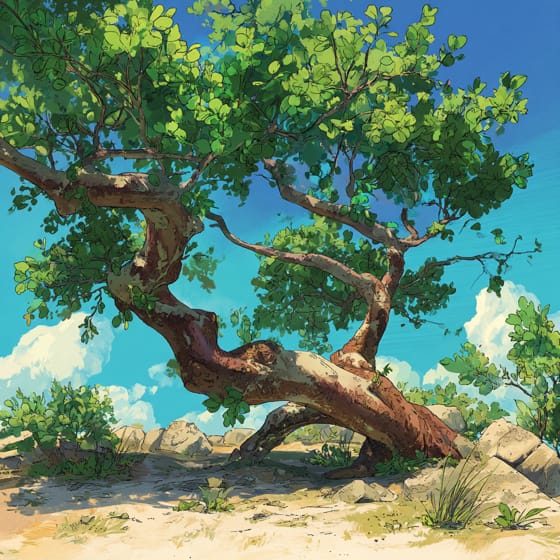
Ficus insipida
consumes the leaves and small fruits of this tree.
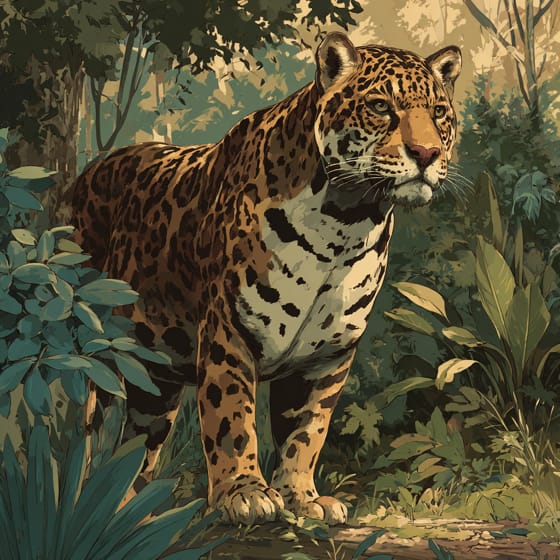
Panthera onca
is sometimes hunted by this powerful jungle cat.
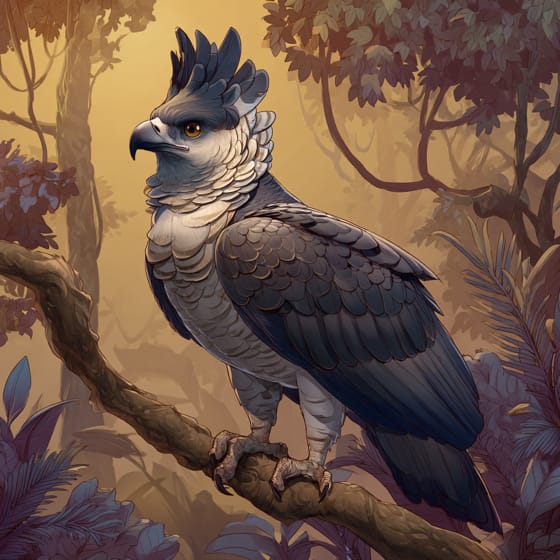
Harpia harpyja
is snatched from trees by this giant raptor.
Trichophilus welckeri
grows on its fur, providing camouflage and possibly nutrients.
Furry describes animals possessing a dense covering of soft hair or fur.
Solitary animals live alone for most of their lives, only interacting with others for mating or parental care.
Arboreal animals live primarily in trees, utilizing them for shelter, food, and protection from predators.
This trait characterizes organisms whose diet consists entirely or primarily of plant material.

Forest habitats are terrestrial environments dominated by dense tree cover, supporting a high diversity of plant and animal life.

Endangered status indicates a species is at a very high risk of extinction in the wild in the near future.
No aliases listed yet.
Danger
1/5 · Very low
Sloths are gentle and slow, but it's best to watch them from a distance in the wild.
The easiest way to identify Hoffmann's Two-toed Sloth is to use the Snappit nature identifier app.
54-74 cm
4-8 kg
15-20 years
0.24 km/h
Sloths munch slowly on leaves, fruits, and buds, getting all the energy they need from the plants.
Forests
Foraging
Zoom in to split clusters and explore where this object has been snapped.
Recent snaps will appear here as new observations are added.
New York, US
You might spot Asian Elephant, Humboldt Penguin, and Tiger.
View guide →

Massachusetts, US
You might spot African Lion, Panthera Pardus Orientalis, and Sloth Bear.
View guide →

Illinois, US
You might spot African Lion, African Penguin, and Gorilla.
View guide →
.jpg&width=800)
Kansas, US
You might spot Reticulated Giraffe, African Lion, and Tiger.
View guide →
Florida, US
You might spot Tiger, Jaguar, and Florida Panther.
View guide →
Take the discovery with you
Snap it with Snappit to identify it, learn what makes it special, and add the discovery to your collection.




.jpg&width=800)


.JPG&width=800)


.jpg&width=800)
