




Sorghum
Sorghum
Sorghum is a type of grain that grows tall like grass. It is used to make food like bread, porridge, and animal feed. Sorghum comes in different colors like red, white, and brown.
Habitat: Farms
The Sorghum is a tall, grass-like plant with broad leaves resembling corn, typically growing in dense clumps. It features a distinctive, large seed head (panicle) at the top, which can vary in color from pale cream to reddish-brown as it ripens, making it visually distinct.
Category
PlantsRarity
Common
Danger
1/5 · Very low
Snaps
Be the first to snap!
Beyond food, specific types of sorghum are harvested to make brooms and brushes!
Did you know sorghum is the fifth most important cereal crop globally? It feeds millions!
Some sorghum varieties grow so tall, they can be taller than a basketball hoop!
The sturdy stalks of sorghum can even be used to create biofuel for energy!
Sorghum can survive long dry spells thanks to waxy leaves that hold water and deep roots to reach moisture.
Sorghum has a special way to turn sunshine into energy, called C4 photosynthesis, making it efficient in hot, sunny places.
Sorghum can grow well even in poor soils by efficiently using nitrogen, an important nutrient, to thrive.
Schizaphis graminum
Feeds on sorghum leaves, causing damage.
Busseola fusca
Larvae bore into stems, weakening the plant.
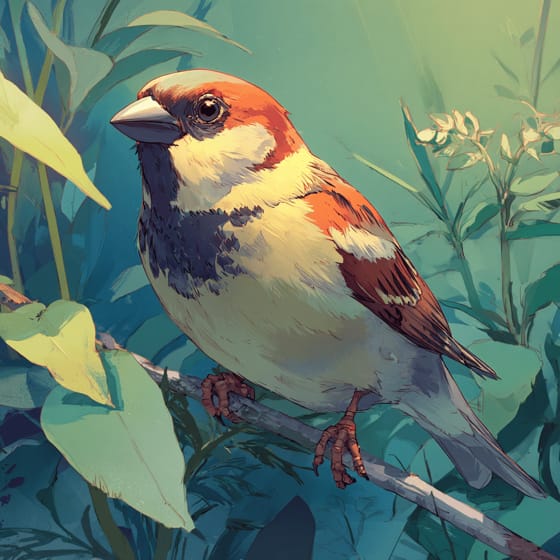
Passer domesticus
Flocks feast on ripening grain in fields.

Bos taurus
Cultivated and consumed as a nutritious forage crop.
Drought-tolerant plants can survive and flourish in conditions with limited water availability.
This human use trait denotes species cultivated as grain crops, harvested for their edible dry seeds (grains), which are a staple food source.
This human use trait describes species cultivated or domesticated by humans for agricultural purposes, including crops and livestock.
Edible plants are those parts of a plant that are considered safe for human consumption.
Danger
1/5 · Very low
Sorghum plants are safe to touch, but it's important to ask an adult before picking or eating any grains.
The easiest way to identify Sorghum is to use the Snappit nature identifier app.
100-500 cm
30-60 cm
0.1-0.5 cm
Summer
Yes
None
Annual
Zoom in to split clusters and explore where this object has been snapped.
Recent snaps will appear here as new observations are added.
Take the discovery with you
Snap it with Snappit to identify it, learn what makes it special, and add the discovery to your collection.









.jpg&width=800)



_001.jpg&width=800)



