





Southeastern Five-lined Skink
Plestiodon inexpectatus
The Southeastern Five-lined Skink is a small, colorful lizard with five bright stripes. They love to bask in the sun and can be found scurrying around in gardens and forests.
Habitat: Forests
The Southeastern Five-lined Skink has a sleek body with five distinctive light stripes running down its darker brown or olive back. Juveniles feature a strikingly bright blue tail. Its scales are smooth and shiny, giving it a somewhat wet appearance.
Category
ReptilesRarity
Common
Danger
1/5 · Very low
Snaps
2
Female skinks guard their eggs until they hatch, being a super mom!
Juvenile skinks flash a brilliant blue tail to confuse attackers!
These skinks are sunbathers, needing warmth to stay active!
They have clear scales over their eyes, like built-in goggles!
Southeastern Five-lined Skink can drop its tail to distract predators, allowing it to escape harm's way.
Southeastern Five-lined Skink has the ability to regrow a lost tail, repairing itself after an escape.
Southeastern Five-lined Skink can climb trees and shrubs to find food and escape danger quickly.
They love munching on insects and other small invertebrates!
Coluber constrictor
A common snake that preys on skinks.
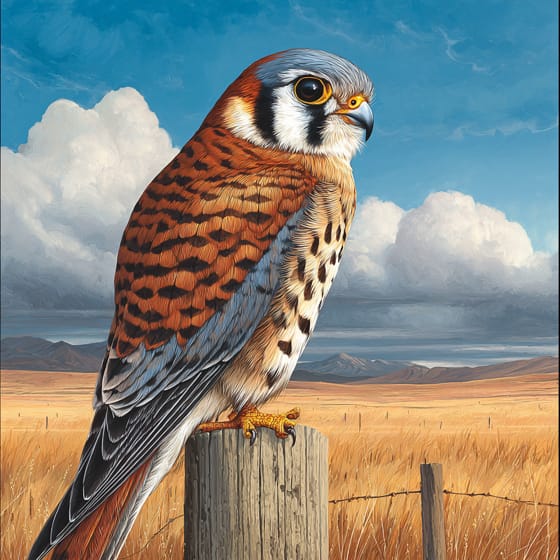
Falco sparverius
Small raptors may catch these ground-dwelling skinks.
Didelphis virginiana
Nocturnal mammals sometimes prey on skinks.

Gryllus pennsylvanicus
Skinks actively hunt and eat various crickets.
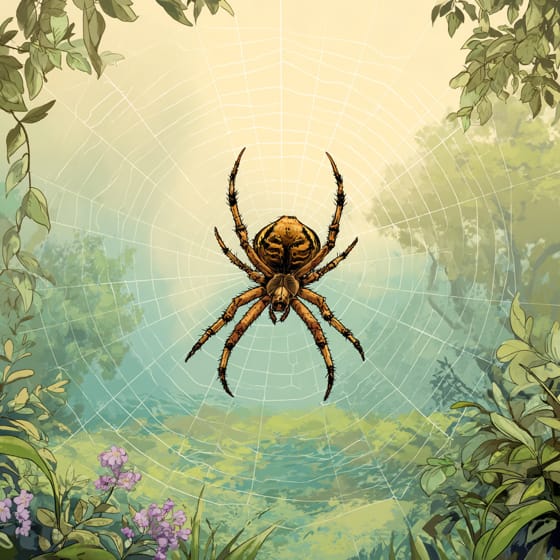
Argiope aurantia
Spiders are a regular part of the skink's diet.
Marked with parallel bands or lines of color.
Arboreal animals live primarily in trees, utilizing them for shelter, food, and protection from predators.
Camouflaged describes organisms that possess coloring or patterns that allow them to blend into their environment.
Colorful describes organisms or objects displaying a wide range of bright and distinct colors.

This trait identifies organisms whose diet primarily consists of insects and other small invertebrates.

Forest habitats are terrestrial environments dominated by dense tree cover, supporting a high diversity of plant and animal life.

Diurnal animals are primarily active during daylight hours, typically resting or sleeping at night.
Regenerative organisms possess the ability to regrow lost or damaged body parts, tissues, or organs.
No aliases listed yet.
Danger
1/5 · Very low
Always watch your step when exploring, and be gentle if you see a skink.
The easiest way to identify Southeastern Five-lined Skink is to use the Snappit nature identifier app.
12-21 cm
0.005-0.015 kg
3-6 years
15 km/h
They love munching on insects and other small invertebrates!
Forests
Foraging
Zoom in to split clusters and explore where this object has been snapped.
Take the discovery with you
Snap it with Snappit to identify it, learn what makes it special, and add the discovery to your collection.












