





southern arrowwood
Viburnum dentatum
Southern arrowwood is a lovely shrub that grows tall and has bright green leaves. In summer, it produces pretty white flowers that turn into blue berries, which birds love to eat!
Habitat: Wetlands
The southern arrowwood is a deciduous shrub with a rounded, bushy form. It has clusters of small, creamy-white flowers in flat-topped cymes, followed by glossy dark blue or black berries. Its distinctive oval leaves have coarse, saw-like teeth along their edges.
Category
PlantsRarity
Common
Danger
1/5 · Very low
Snaps
Be the first to snap!
Ancient peoples used its straight, strong branches to make arrows, giving it its name!
Feel its rough, toothed leaves; they feel like tiny saws along the edges!
Look for tiny white flowers clustered together like mini dinner plates in spring!
Over 30 bird species rely on its dark blue berries for a crucial energy boost!
Southern arrowwood can grow super straight, tough branches, used by indigenous people to craft strong, sturdy arrows for hunting.
It has clusters of dark blue berries that offer a vital food source, providing energy for many different bird species.
Southern arrowwood has dense, bushy growth that creates perfect hiding and nesting spots for small animals and birds.
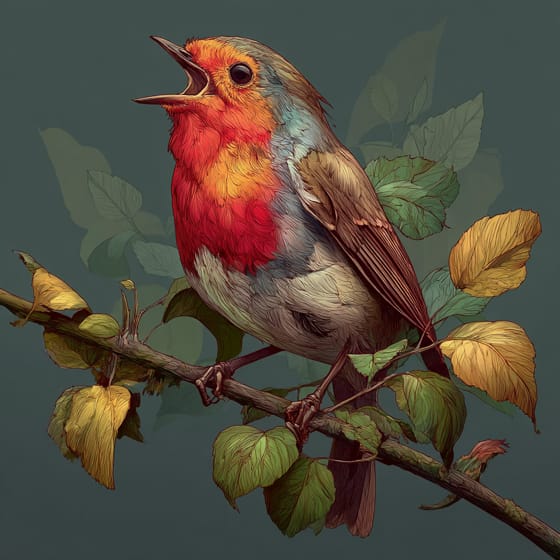
Turdus migratorius
Feeds on its nutritious dark blue berries.
Apis mellifera
Bees are common visitors to its white flowers.
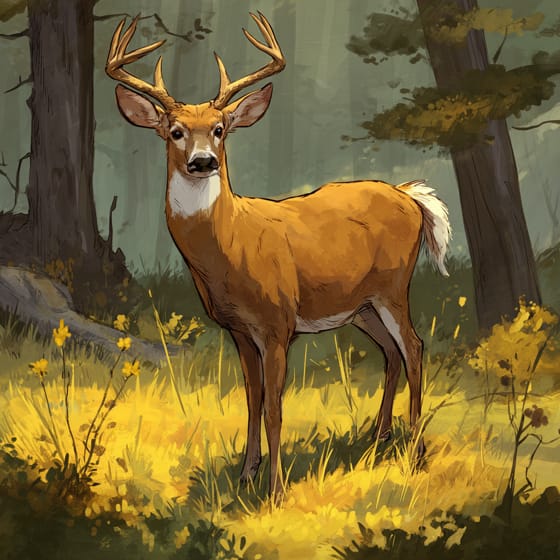
Odocoileus virginianus
Deer browse on its leaves and twigs.
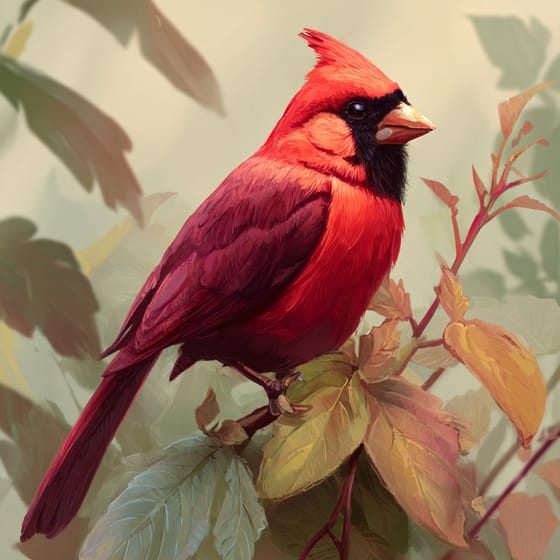
Cardinalis cardinalis
Relies on its berries as a food source.
Deciduous plants periodically shed all their leaves, typically during autumn or dry seasons.
A shrub is a woody plant smaller than a tree, typically with multiple stems branching from or near the ground.
Summer blooming plants produce their flowers during the summer season, often providing vibrant color when many other plants have finished.
Fruit-bearing plants produce fruits, which are the mature ovaries of flowering plants containing seeds.

Edible plants are those parts of a plant that are considered safe for human consumption.

Fall color refers to the seasonal change in foliage pigmentation, primarily in deciduous plants, displaying vibrant hues.

Describes plants that are particularly attractive and beneficial to a wide range of pollinating organisms.

This habitat trait identifies species found in wetlands, which are areas of land saturated with water, either permanently or seasonally, including marshes, swamps, and bogs.
No aliases listed yet.
Danger
1/5 · Very low
Always stay on paths when exploring nature and don't eat berries unless an adult says it's safe.
The easiest way to identify southern arrowwood is to use the Snappit nature identifier app.
150-450 cm
150-450 cm
0.3-0.6 cm
Late spring to early summer
No
Mild
Perennial
Zoom in to split clusters and explore where this object has been snapped.
Recent snaps will appear here as new observations are added.
Take the discovery with you
Snap it with Snappit to identify it, learn what makes it special, and add the discovery to your collection.








.jpg&width=800)



_001.jpg&width=800)



