





western columbine
Aquilegia formosa
The western columbine is a beautiful flower with bright red and yellow petals. It grows in forests and brings color to the woods during spring and summer.
Habitat: Forests
The western columbine has striking, spurred flowers with vibrant red sepals and yellow petals, creating a fiery bicolour display. Its nodding blooms stand out with their unique shape, making them easy to identify in its natural habitat.
Category
PlantsRarity
Common
Danger
1/5 · Very low
Snaps
20
Hummingbirds are its favorite visitors, using their long beaks like straws to sip nectar from deep inside!
Its unique flower shape makes it look like a tiny jester's hat or a cluster of launching rockets!
Some clever bees will chew holes in the flowers to steal nectar without helping to pollinate!
This hardy plant can often be found growing in rocky cracks, showing its amazing toughness!
western columbine has long, hollow spurs that hold sweet nectar, attracting hummingbirds perfectly suited to reach it.
Its delicate, divided leaves allow wind to pass through easily, helping the plant resist strong gusts on exposed slopes.
The bright red and yellow colors, along with specific nectar rewards, signal to pollinators that it's a valuable food source.
.jpg&width=800)
Selasphorus rufus
Sips nectar and carries pollen between flowers.
Bombus melanopygus
Visits flowers for nectar, aiding in pollination.
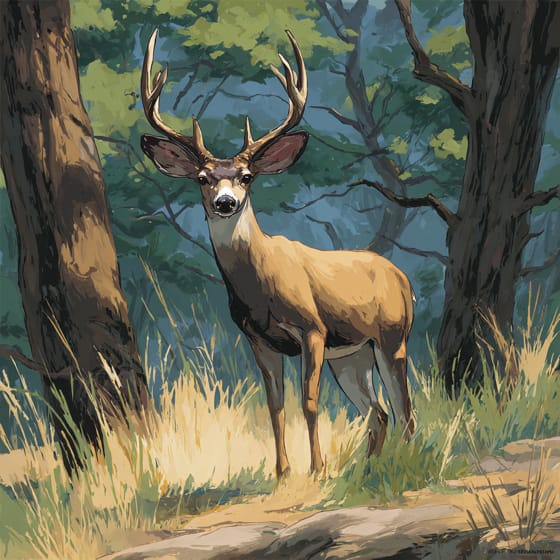
Odocoileus hemionus
May browse on its leaves and young shoots.
Deciduous plants periodically shed all their leaves, typically during autumn or dry seasons.
Flowering plants are any plants that produce flowers as part of their reproductive cycle.
Spring blooming plants produce their flowers during the spring season, often signifying the end of winter and the start of new growth.
Fragrant flowers emit a pleasant aroma, often to attract pollinators or for defense.

Colorful describes organisms or objects displaying a wide range of bright and distinct colors.

Describes plants that are particularly attractive and beneficial to a wide range of pollinating organisms.

Forest habitats are terrestrial environments dominated by dense tree cover, supporting a high diversity of plant and animal life.
No aliases listed yet.
Danger
1/5 · Very low
Do not touch or eat flowers without asking an adult first.
The easiest way to identify western columbine is to use the Snappit nature identifier app.
30-90 cm
30-60 cm
3-5 cm
Late spring to mid-summer
No
Mild
Perennial
Zoom in to split clusters and explore where this object has been snapped.

Washington, US
You might spot Pacific Tree Frog and Long-Toed Salamander.
View guide →

Washington, US
You might spot Whitebark Pine, Subalpine Larch, and White Pasqueflower.
View guide →

California, US
You might spot Pipevine Swallowtail and Western Fence Lizard.
View guide →

US
You might spot Variable Carpet Moth, Bald Eagle, and Red Huckleberry.
View guide →

California, US
You might spot Mule Deer, Turkey, and Duck.
View guide →

British Columbia, CA
You might spot White Pasqueflower and Columbian Ground Squirrel.
View guide →
Take the discovery with you
Snap it with Snappit to identify it, learn what makes it special, and add the discovery to your collection.






.jpg&width=800)


_001.jpg&width=800)




