





Southern black racer
Coluber constrictor priapus
The Southern black racer is a fast and sleek snake that loves to slither through grass and bushes. They are friendly and help keep the environment healthy by eating pests.
Habitat: Grasslands
The Southern black racer is a sleek, uniformly dull black snake with smooth scales and a distinctive white chin and throat. Juveniles are gray with dark blotches, looking quite different from the adults.
Category
ReptilesRarity
Common
Danger
1/5 · Very low
Snaps
2
Despite their scientific name, these speedy snakes do not constrict their prey!
They often freeze instantly when startled, hoping to blend in and avoid detection!
Unlike many snakes, they are active hunters during the day, not at night!
Young black racers are blotchy gray, completely unlike their sleek, black parents!
Southern black racer can move incredibly fast to outrun predators or chase down quick prey.
Southern black racer can climb trees and shrubs with ease, helping them find food or escape danger.
Southern black racer can vibrate its tail rapidly in dry leaves to mimic a venomous rattlesnake.
These quick hunters eat small lizards, frogs, rodents, bird eggs, and even other snakes!
Age differences: Young snakes eat more insects; adults prefer larger prey like rodents and lizards.
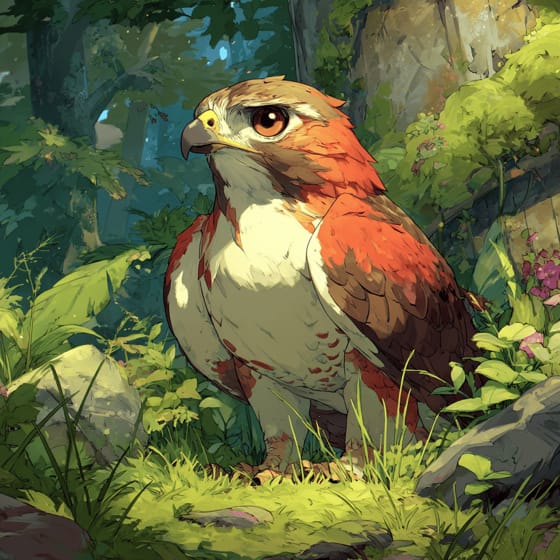
Buteo jamaicensis
Hawks are major predators of adult racers.
Anolis carolinensis
Racers actively pursue and eat these common lizards.
Peromyscus gossypinus
A common small mammal often hunted by racers.
Camouflaged describes organisms that possess coloring or patterns that allow them to blend into their environment.
Colorful describes organisms or objects displaying a wide range of bright and distinct colors.
Grassland habitats are terrestrial biomes dominated by grasses and herbaceous plants, supporting a variety of grazing animals.
This trait identifies organisms whose diet consists entirely or primarily of animal tissue.

Diurnal animals are primarily active during daylight hours, typically resting or sleeping at night.

This trait identifies organisms that exhibit exceptional swiftness in movement for hunting, escape, or travel.
Danger
1/5 · Very low
If you see a snake, it's best to stay calm and walk away slowly. Never try to touch or pick it up.
The easiest way to identify Southern black racer is to use the Snappit nature identifier app.
90-150 cm
0.3-0.6 kg
8-10 years
12 km/h
These quick hunters eat small lizards, frogs, rodents, bird eggs, and even other snakes!
Grasslands
Pursuit
Zoom in to split clusters and explore where this object has been snapped.
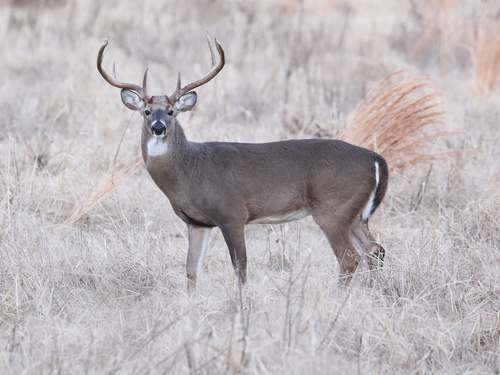
Florida, US
You might spot White-Tailed Deer, American Alligator, and Garberia.
View guide →

Florida, US
You might spot Brown Anole, White Ibis, and Brown Pelican.
View guide →

Florida, US
You might spot Brown Anole, White Ibis, and Brown Pelican.
View guide →
Take the discovery with you
Snap it with Snappit to identify it, learn what makes it special, and add the discovery to your collection.












