





Southern Masked Chafer
Cyclocephala lurida
The Southern Masked Chafer is a small beetle with a shiny body and furry underside. These little insects are often found in gardens and lawns, where they help break down organic matter.
Habitat: Urban areas, Gardens
The Southern Masked Chafer is a small, oval-shaped beetle, typically tan to reddish-brown with a darker, sometimes black, head capsule that looks like a mask. Its body is smooth and shiny, giving it a polished appearance and setting it apart from hairy chafer species.
Category
InsectsRarity
Common
Danger
1/5 · Very low
Snaps
18
Adult masked chafers only live for a few weeks, mostly to find a mate!
Their larvae are C-shaped grubs that live hidden underground.
These beetles are often seen swarming lights on warm summer nights!
They belong to the amazing scarab beetle family, known for their strong bodies!
Southern Masked Chafers have strong front legs adapted for digging, which helps them burrow into the soil to lay eggs and escape predators.
Southern Masked Chafers can navigate at night using their keen sense of smell, helping them find mates and food sources.
Southern Masked Chafer grubs live hidden underground for most of their lives, providing protection from predators and harsh weather.
Grubs eat grass roots; adults may nibble flowers or not eat much at all.
Age differences: Larvae (grubs) eat grass roots, while adults feed very little, if at all, sometimes on flower nectar.
Poa annua
Grubs feed on the roots of this common turfgrass.
Lolium perenne
The larvae damage turf by consuming roots of this grass.
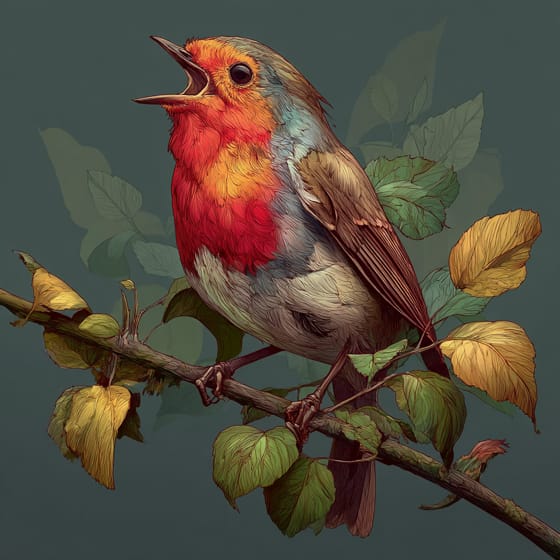
Turdus migratorius
Robins often pull Southern Masked Chafer grubs from lawns.
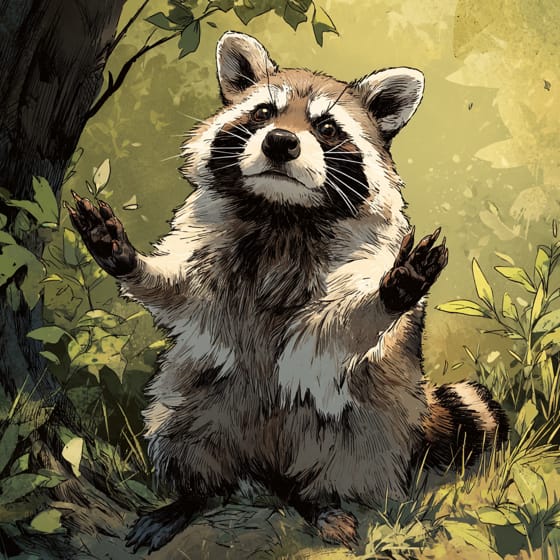
Procyon lotor
Raccoons dig up lawns to feast on chafer grubs.
Furry describes animals possessing a dense covering of soft hair or fur.
Solitary animals live alone for most of their lives, only interacting with others for mating or parental care.
This trait characterizes organisms whose diet consists entirely or primarily of plant material.
Describes organisms that break down dead organic material, recycling nutrients back into the ecosystem.

Diurnal animals are primarily active during daylight hours, typically resting or sleeping at night.

This habitat trait indicates species that can coexist with humans in urban and suburban environments, utilizing man-made structures and green spaces.

Describes organisms that transfer pollen, enabling the fertilization and reproduction of plants.
No aliases listed yet.
Danger
1/5 · Very low
These beetles are harmless, but it's best to watch them from a distance.
The easiest way to identify Southern Masked Chafer is to use the Snappit nature identifier app.
20-28 mm
10-14 mm
14-30 days
10 km/h
Grubs eat grass roots; adults may nibble flowers or not eat much at all.
Urban areas, Gardens
Foraging
Zoom in to split clusters and explore where this object has been snapped.

California, US
You might spot Western Fence Lizard and California Brittlebush.
View guide →

Alabama, US
You might spot Anole, Bee, and Bristle Thistle.
View guide →

California, US
You might spot Western Fence Lizard, Duck, and California Brittlebush.
View guide →

Alabama, US
You might spot Anole, Bee, and Bristle Thistle.
View guide →
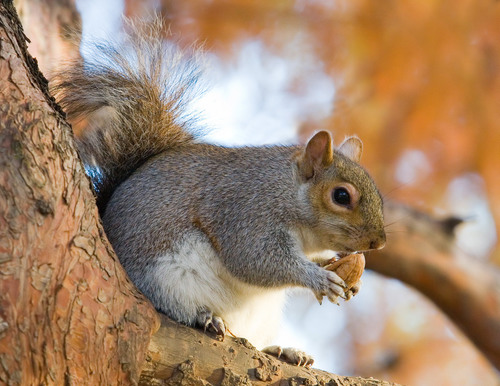
Georgia, US
You might spot Eastern Gray Squirrel, Domestic Cat, and American Robin.
View guide →

Maryland, US
You might spot Common Pawpaw and Feather-Edged Petrophila.
View guide →
Take the discovery with you
Snap it with Snappit to identify it, learn what makes it special, and add the discovery to your collection.






.jpg&width=800)




