





Southern Pink-striped Oakworm Moth
Anisota pellucida
The Southern Pink-striped Oakworm Moth is a colorful moth with pink stripes! It loves to flutter around oak trees and is mostly active at night, making it a special nighttime friend in nature.
Habitat: Forests
The Southern Pink-striped Oakworm Moth has striking pink stripes on its forewings, contrasting with a yellowish to tan body and hindwings. Its wings are somewhat translucent. The robust body and relatively small head are also characteristic.
Category
InsectsRarity
Common
Danger
1/5 · Very low
Snaps
3
Adult Southern Pink-striped Oakworm Moths don't even eat! They live off stored energy!
Its caterpillars are spiky and colorful, ranging from green to purplish-brown.
Their name "oakworm" comes from their caterpillars' love for oak leaves!
This moth spends a long time as a pupa, sometimes overwintering underground.
Southern Pink-striped Oakworm Moth has pink and yellow stripes that help them blend perfectly with oak leaves and flowers.
Southern Pink-striped Oakworm Moth caterpillars can chew through tough oak leaves because of their strong mandibles.
Southern Pink-striped Oakworm Moth can fly in the dark because of its specialized vision and sensory antennae.
Oakworm caterpillars munch oak leaves; surprisingly, adult moths do not eat at all!
Age differences: Larvae eat oak leaves, while the adult moths do not feed.
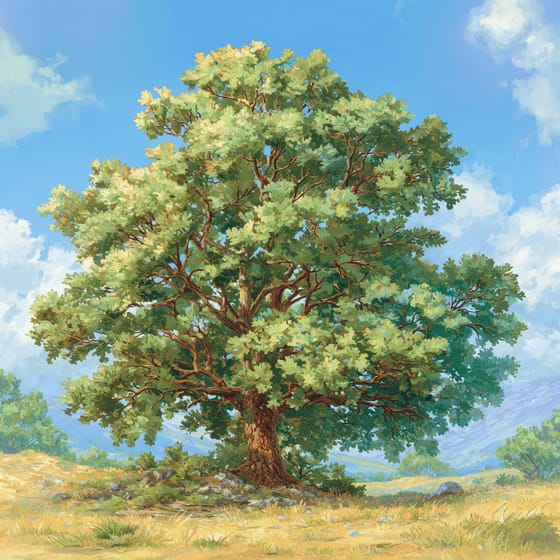
Quercus alba
Its larvae feed on the leaves of this tree.
Quercus rubra
Its larvae also consume leaves from red oak trees.
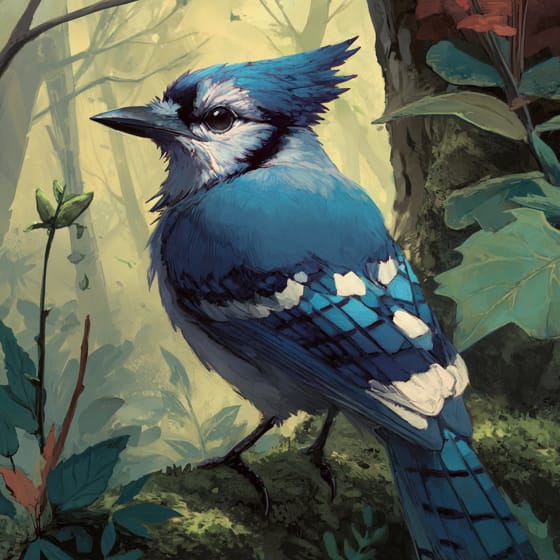
Cyanocitta cristata
Larvae and pupae can be preyed upon by birds.
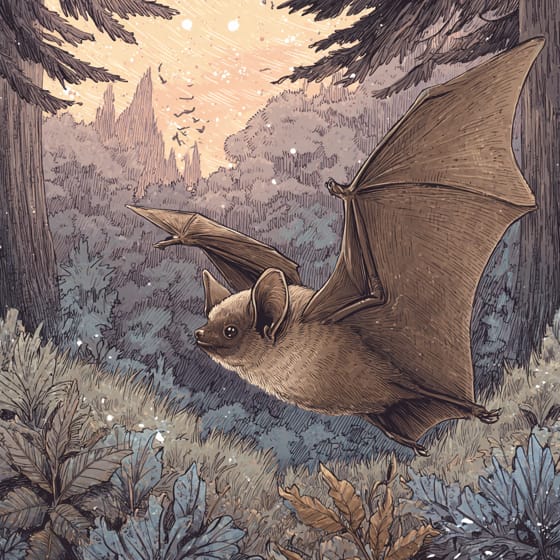
Myotis lucifugus
Adult moths are a food source for nocturnal bats.
Marked with parallel bands or lines of color.
Solitary animals live alone for most of their lives, only interacting with others for mating or parental care.
Colorful describes organisms or objects displaying a wide range of bright and distinct colors.
This trait characterizes organisms whose diet consists entirely or primarily of plant material.

Forest habitats are terrestrial environments dominated by dense tree cover, supporting a high diversity of plant and animal life.

Nocturnal animals are primarily active during the nighttime hours, typically resting or sleeping during the day.

Describes organisms that transfer pollen, enabling the fertilization and reproduction of plants.
No aliases listed yet.
Danger
1/5 · Very low
Don't touch moths or caterpillars you find outside; just watch them from a distance!
The easiest way to identify Southern Pink-striped Oakworm Moth is to use the Snappit nature identifier app.
35-55 mm
15-25 mm
7-14 days
8 km/h
Oakworm caterpillars munch oak leaves; surprisingly, adult moths do not eat at all!
Forests
Foraging
Zoom in to split clusters and explore where this object has been snapped.

Alabama, US
You might spot Painted Bunting, House Finch, and Red-Shouldered Hawk.
View guide →

Georgia, US
You might spot Joro Spider, American Sweetgum, and American Tuliptree.
View guide →

Georgia, US
You might spot Joro Spider, American Sweetgum, and American Tuliptree.
View guide →

Florida, US
You might spot West Indian Manatee, River Cooter, and Golden Silk Spider.
View guide →
Take the discovery with you
Snap it with Snappit to identify it, learn what makes it special, and add the discovery to your collection.








.jpg&width=800)


