





Southern Smooth Snake
Coronella girondica
The Southern Smooth Snake is a gentle snake that loves to hide in the grass. It has smooth, shiny scales and is usually brown or gray. This snake is shy and prefers to stay away from people.
Habitat: Grasslands
The Southern Smooth Snake is a slender reptile, typically grey-brown to reddish-brown, often adorned with two rows of dark spots or a subtle zigzag pattern along its back. It has a distinctive dark stripe running from its nostril through its round eye to its neck, helping it blend into its surroundings.
Category
ReptilesRarity
Common
Danger
1/5 · Very low
Snaps
Be the first to snap!
They are called "smooth snakes" because their scales are super sleek and non-keeled!
This harmless snake sometimes plays dead, going stiff and even releasing a scent to fool predators!
This snake loves sunny spots; it warms up its body by basking on rocks and dry grass!
Unlike many snakes, it has round pupils, giving it a gentle, watchful gaze.
Southern Smooth Snakes can flatten their heads and strike when threatened, making them look like a dangerous viper to scare off predators.
Southern Smooth Snakes can powerfully squeeze their prey, wrapping around small lizards and rodents to quickly subdue them before eating.
Southern Smooth Snakes have a dappled brown and grey pattern that helps them vanish into dry grass and rocky areas.
This snake is a carnivore that mostly eats lizards and small mammals!
Age differences: Younger snakes eat more lizards and insects, while adults focus on larger prey like rodents.
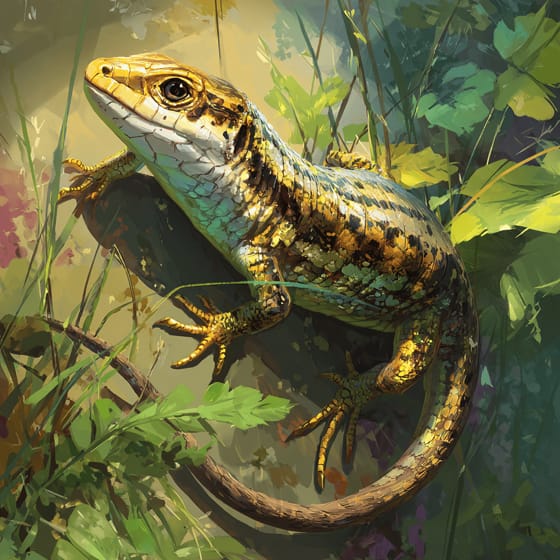
Podarcis muralis
A favorite meal, ambushed and constricted in sunny spots.
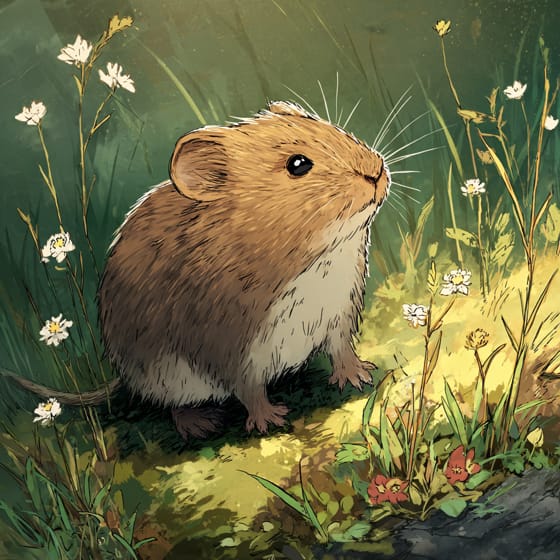
Microtus arvalis
Preys on these rodents, especially their young, found in burrows.
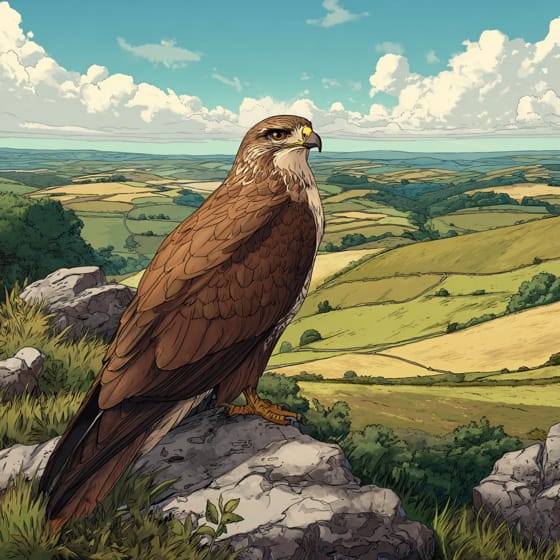
Buteo buteo
A common bird of prey that can snatch up snakes from open areas.
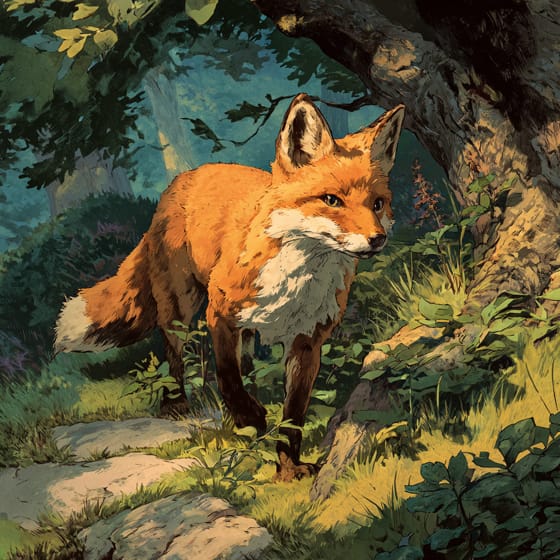
Vulpes vulpes
A common predator that can dig up hibernating snakes or catch them.
Solitary animals live alone for most of their lives, only interacting with others for mating or parental care.
Camouflaged describes organisms that possess coloring or patterns that allow them to blend into their environment.
Grassland habitats are terrestrial biomes dominated by grasses and herbaceous plants, supporting a variety of grazing animals.
Hibernating animals enter a state of metabolic depression during cold periods or when food is scarce, characterized by reduced body temperature and activity.

This trait identifies organisms whose diet consists entirely or primarily of animal tissue.
No aliases listed yet.
Danger
1/5 · Very low
If you see a snake, it's best to stay calm and walk away. Snakes are usually not harmful if left alone.
The easiest way to identify Southern Smooth Snake is to use the Snappit nature identifier app.
40-70 cm
0.05-0.2 kg
8-12 years
3 km/h
This snake is a carnivore that mostly eats lizards and small mammals!
Grasslands
Ambush
Zoom in to split clusters and explore where this object has been snapped.
Recent snaps will appear here as new observations are added.
Take the discovery with you
Snap it with Snappit to identify it, learn what makes it special, and add the discovery to your collection.














