





Southern Two-striped Walkingstick
Anisomorpha buprestoides
The Southern Two-striped Walkingstick is a cool insect that looks like a twig! It can blend in with plants to hide from predators. These insects are fun to find because they can be very long and thin.
Habitat: Forests
The Southern Two-striped Walkingstick has a stout, cylindrical body, typically brown or gray, sometimes greenish. It features two prominent dark stripes running down its back. Its textured body camouflages it perfectly amongst twigs and bark, making it distinct from slender walkingsticks.
Category
InsectsRarity
Common
Danger
1/5 · Very low
Snaps
2
Females can lay eggs that hatch without a male!
Their scientific name hints at their amazing disguise!
They are sometimes called 'devil's riding horses'!
Walkingstick eggs look just like tiny plant seeds!
Southern Two-striped Walkingstick can spray a milky, foul-smelling defensive fluid from glands to deter predators.
Southern Two-striped Walkingstick has an incredible twig-like appearance that helps them vanish into woody surroundings.
Southern Two-striped Walkingstick can shed and regrow a lost leg, which helps them escape from tricky situations.
They munch on leaves from various plants, like oak and rose, staying hidden while they eat.
Age differences: Young nymphs eat smaller, tender leaves, while adults can handle tougher foliage.
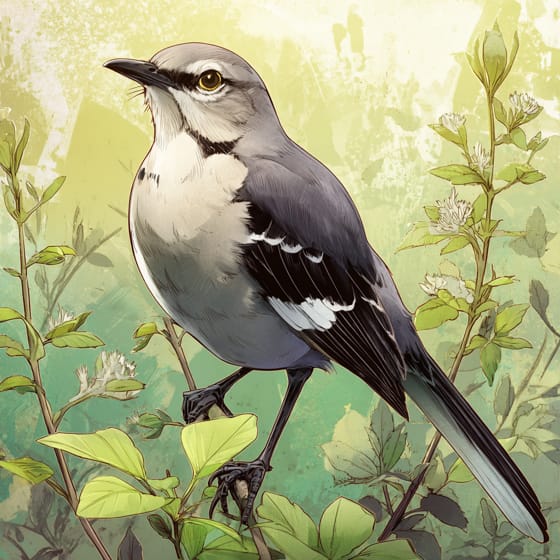
Mimus polyglottos
Birds are common predators of walkingsticks.
Didelphis virginiana
Opossums will readily consume insects they find.
Quercus virginiana
They primarily feed on the leaves of oak trees.

Myrica cerifera
Feeds on leaves, including those of wax myrtle.
Marked with parallel bands or lines of color.
Solitary animals live alone for most of their lives, only interacting with others for mating or parental care.
Arboreal animals live primarily in trees, utilizing them for shelter, food, and protection from predators.
Camouflaged describes organisms that possess coloring or patterns that allow them to blend into their environment.

This trait characterizes organisms whose diet consists entirely or primarily of plant material.

Forest habitats are terrestrial environments dominated by dense tree cover, supporting a high diversity of plant and animal life.

Diurnal animals are primarily active during daylight hours, typically resting or sleeping at night.
No aliases listed yet.
Danger
1/5 · Very low
It's best to watch walkingsticks from a distance so you don't scare them.
The easiest way to identify Southern Two-striped Walkingstick is to use the Snappit nature identifier app.
40-70 mm
60-90 days
They munch on leaves from various plants, like oak and rose, staying hidden while they eat.
Forests
Foraging
6
Zoom in to split clusters and explore where this object has been snapped.

Florida, US
You might spot Peters's Rock Agama, Brown Anole, and American Alligator.
View guide →
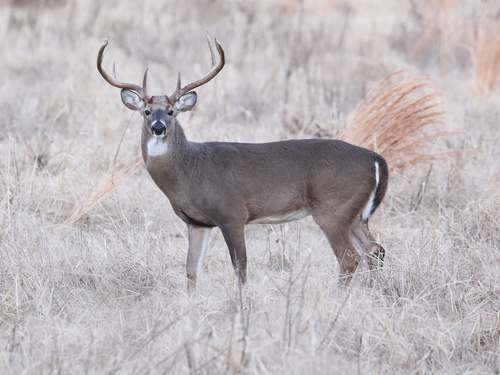
Florida, US
You might spot White-Tailed Deer, American Alligator, and Garberia.
View guide →

Florida, US
You might spot Willet, Lightning Whelk, and Ruddy Turnstone.
View guide →
Take the discovery with you
Snap it with Snappit to identify it, learn what makes it special, and add the discovery to your collection.







.jpg&width=800)



