





Great Southern White
Ascia monuste
The Great Southern White is a beautiful butterfly with white wings and black edges. They flutter around gardens and fields, bringing joy with their graceful flight.
Habitat: Urban areas, gardens, fields
The Great Southern White is a medium-sized butterfly with chalky white wings. Males are usually pure white, while females often have dark gray or black markings near the wingtips and veins. Their underwings can display mottled yellowish or greenish patterns, making them distinct from pure white lookalikes.
Category
InsectsRarity
Common
Danger
1/5 · Very low
Snaps
7
Great Southern Whites can be found soaring through the sky in many warm countries across the Americas!
Males are usually pure white, but females often have dark markings on their wingtips.
These butterflies help flowers by carrying pollen from one plant to another as they sip nectar.
This butterfly starts life as a tiny, green caterpillar that loves to munch on cabbage!
Great Southern White larvae can eat toxic mustard plants because it makes them taste bad to predators.
Great Southern White can fly thousands of miles because some populations migrate to warmer climates for winter.
Great Southern White has many generations per year that helps them quickly increase their numbers.
Adults sip sweet flower nectar, while caterpillars munch on leaves like tiny herbivores!
Age differences: Larvae eat leaves of host plants, while adults primarily feed on flower nectar.
Solitary animals live alone for most of their lives, only interacting with others for mating or parental care.
Camouflaged describes organisms that possess coloring or patterns that allow them to blend into their environment.
Colorful describes organisms or objects displaying a wide range of bright and distinct colors.
This trait characterizes organisms whose diet consists entirely or primarily of plant material.

Diurnal animals are primarily active during daylight hours, typically resting or sleeping at night.

This habitat trait indicates species that can coexist with humans in urban and suburban environments, utilizing man-made structures and green spaces.

Describes organisms that transfer pollen, enabling the fertilization and reproduction of plants.
No aliases listed yet.
Danger
1/5 · Very low
Be gentle and watch butterflies from a distance so they feel safe.
The easiest way to identify Great Southern White is to use the Snappit nature identifier app.
45-70 mm
20-30 mm
14-28 days
10 km/h
Adults sip sweet flower nectar, while caterpillars munch on leaves like tiny herbivores!
Urban areas, gardens, fields
Foraging
Zoom in to split clusters and explore where this object has been snapped.

Texas, US
You might spot Honey Mesquite, Anacua, and Alamo Vine.
View guide →

Florida, US
You might spot Brown Anole, Great Egret, and Snowy Egret.
View guide →
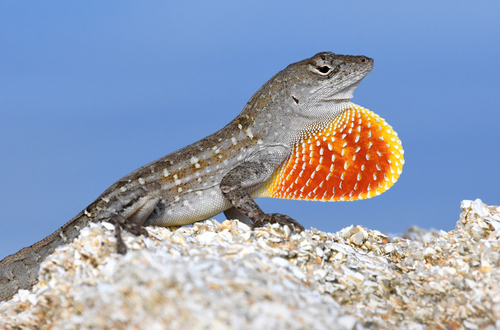
Florida, US
You might spot Brown Anole, Sanderling, and Great Southern White.
View guide →

Florida, US
You might spot Peters's Rock Agama, Common Myna, and Brown Anole.
View guide →

Florida, US
You might spot Brown Anole, Brown Pelican, and Eastern Lubber Grasshopper.
View guide →

Texas, US
You might spot Mediterranean House Gecko and Gulf Coast Toad.
View guide →
Take the discovery with you
Snap it with Snappit to identify it, learn what makes it special, and add the discovery to your collection.





.jpg&width=800)
.jpg&width=800)



.jpg&width=800)



