





Eastern Boxelder Bug
Boisea trivittata
The Eastern Boxelder Bug is a small, colorful insect that loves to bask in the sun. They are often seen on trees and can be found in gardens during warm months.
Habitat: Urban areas
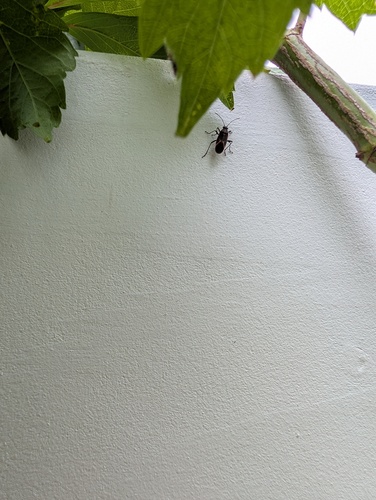
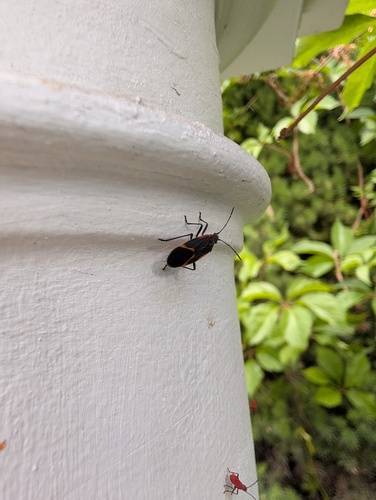
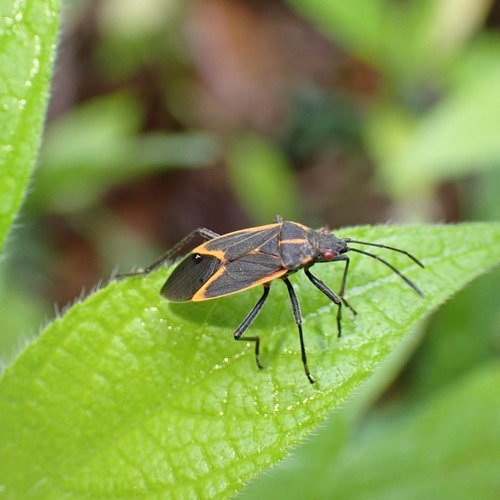
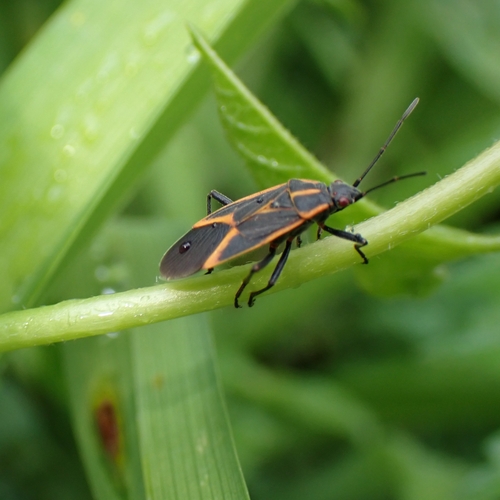
The Eastern Boxelder Bug is a striking insect with an elongated, flattened black body. It has distinctive bright red or orange markings outlining the wings and edges of its abdomen, along with a prominent red stripe behind its head.
Category
InsectsRarity
Common
Danger
1/5 · Very low
Snaps
55
Baby boxelder bugs, called nymphs, are bright red with a tiny black head!
Boxelder bugs have a 'true bug' mouth, like a straw, perfect for sipping sap!
Sometimes, many gather on a single tree, making the bark look reddish-orange!
They are not considered harmful to people or pets, just a nuisance sometimes.
Eastern Boxelder Bug has bright red markings that help them warn predators they might not taste good, keeping them safer.
Eastern Boxelder Bug can drink tree sap using a straw-like mouthpart, allowing them to extract nutrients from plants.
Eastern Boxelder Bug can gather in large groups on warm surfaces to absorb heat, helping them stay cozy in cooler weather.
Eastern Boxelder Bug can release a bad-smelling liquid when disturbed, helping them deter potential attackers.
Boxelder bugs mostly sip sweet sap and juices from seeds of specific trees, like boxelders.
Acer negundo
Feeds on sap and seeds from this primary host tree.
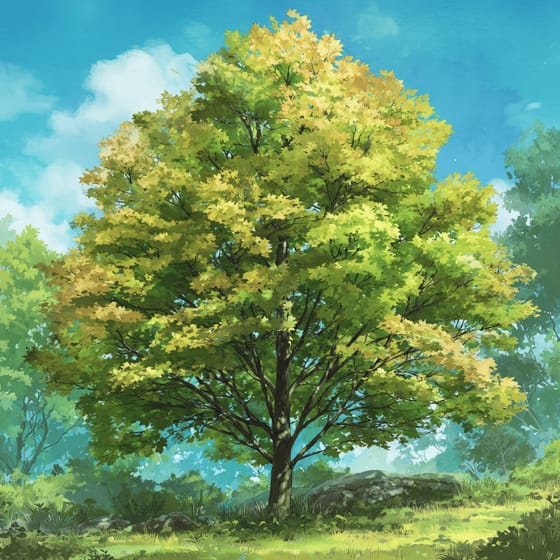
Acer saccharum
Consumes sap and seeds from sugar maple trees.
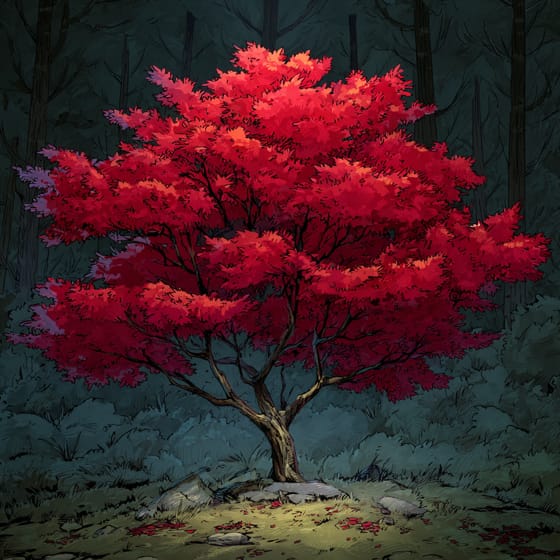
Acer rubrum
Feeds on sap and seeds from red maple trees.
Solitary animals live alone for most of their lives, only interacting with others for mating or parental care.
Colorful describes organisms or objects displaying a wide range of bright and distinct colors.
This trait characterizes organisms whose diet consists entirely or primarily of plant material.
Diurnal animals are primarily active during daylight hours, typically resting or sleeping at night.

Pertaining to species that are significantly smaller than typical or average for their kind.

This habitat trait indicates species that can coexist with humans in urban and suburban environments, utilizing man-made structures and green spaces.

Describes organisms that transfer pollen, enabling the fertilization and reproduction of plants.
No aliases listed yet.
Danger
1/5 · Very low
Boxelder bugs are safe to observe, but don't touch them too much.
The easiest way to identify Eastern Boxelder Bug is to use the Snappit nature identifier app.
20-28 mm
11-14 mm
60-90 days
Boxelder bugs mostly sip sweet sap and juices from seeds of specific trees, like boxelders.
Urban areas
Foraging
6
Zoom in to split clusters and explore where this object has been snapped.
Jun 6, 2026
St. Augustine's UniversityPhoto attribution
no rights reserved
License: CC0 1.0 ↗
Image may be shown cropped inside the card frame.
May 26, 2026
Provo City LibraryPhoto attribution
(c) Daughter Dad, some rights reserved (CC BY)
License: CC BY 4.0 ↗
Image may be shown cropped inside the card frame.
May 26, 2026
Provo City LibraryPhoto attribution
(c) Daughter Dad, some rights reserved (CC BY)
License: CC BY 4.0 ↗
Image may be shown cropped inside the card frame.
May 25, 2026
Sperryville Historic DistrictPhoto attribution
(c) Peter Burka, some rights reserved (CC BY-SA)
License: CC BY-SA 4.0 ↗
Image may be shown cropped inside the card frame.
May 25, 2026
Sperryville Historic DistrictPhoto attribution
(c) Peter Burka, some rights reserved (CC BY-SA)
License: CC BY-SA 4.0 ↗
Image may be shown cropped inside the card frame.

New Jersey, US
You might spot Garlic Mustard, Sensitive Fern, and Common Mugwort.
View guide →

Michigan, US
You might spot Monarch, Canada Goose, and Eastern Gray Squirrel.
View guide →

Michigan, US
You might spot Monarch, Canada Goose, and Eastern Gray Squirrel.
View guide →

North Carolina, US
You might spot Northern Cardinal, Carolina Wren, and Tufted Titmouse.
View guide →

Pennsylvania, US
You might spot Spotted Lanternfly, Duck, and Asian Lady Beetle.
View guide →

Illinois, US
You might spot Eastern Fox Squirrel, Amur Honeysuckle, and Poison Hemlock.
View guide →
Take the discovery with you
Snap it with Snappit to identify it, learn what makes it special, and add the discovery to your collection.







.jpg&width=800)



