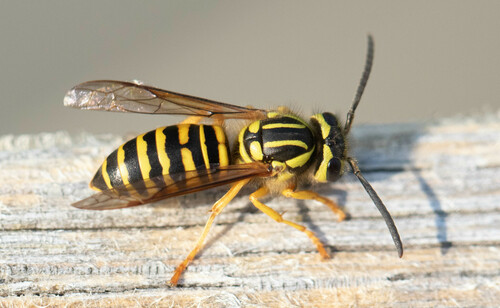


Southern Yellowjacket
vespula squamosa
The Southern Yellowjacket (Vespula squamosa) is a highly social wasp species known for its distinctive yellow and black markings and often aggressive defensive behavior. Unlike some solitary wasp species, Southern Yellowjackets live in large colonies, constructing elaborate paper nests, often underground or in sheltered cavities. These opportunistic insects play a dual role in their ecosystems, acting as significant predators of other insects, especially pest species, while also scavenging for sugars and proteins. Their complex social structure, with a queen, workers, and drones, allows for efficient resource exploitation and colony defense, making them a conspicuous and sometimes formidable presence in various southern and eastern North American habitats.
Habitat: Found in various environments, including forests, woodlands, grasslands, agricultural areas, and particularly common in urban and suburban settings where food sources and nesting sites are abundant.
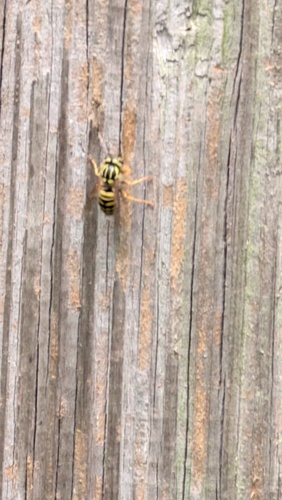
The Southern Yellowjacket is characterized by its bright yellow and black striped abdomen, featuring distinctive triangular black markings on the yellow bands, particularly noticeable on the sides. The thorax is predominantly black with yellow shoulders, and the face is largely yellow with black eyes and antennae. Workers typically measure around 1.0 to 1.7 cm in length, with queens being larger, reaching up to 2.0 cm. They possess two pairs of membranous, yellowish wings that fold longitudinally when at rest.
Category
InsectsRarity
Common
Danger
1/5 · Very low
Snaps
9
Colonies can grow quite large, sometimes containing thousands of workers by late summer and fall, which is when they are most noticeable and defensive.
Southern Yellowjacket queens are polygynous, meaning multiple queens can overwinter together and initiate a colony, though often only one dominant queen survives.
Their nests are made of chewed wood fibers mixed with saliva, creating a paper-like material, and are typically subterranean or in dark, protected cavities.
Unlike bees, yellowjackets can sting multiple times because their stingers are not barbed.
Yellowjackets are highly adaptable foragers, capable of locating and utilizing diverse food sources, from carrion and insect prey to fallen fruit and human discarded foods. This enables their colonies to thrive in varied environments.
Southern Yellowjackets are fiercely territorial and will aggressively defend their nests, utilizing a painful, venomous sting. This collective defense mechanism is a potent deterrent against predators and perceived threats.
While often considered pests themselves, yellowjackets are effective predators of other insects, including caterpillars, flies, and other soft-bodied arthropods, helping to regulate insect populations.
Southern Yellowjackets have a varied diet, acting as both predators and scavengers. Adults primarily feed on sugary substances for energy, such as nectar, fruit juices, and honeydew, while also hunting protein-rich prey and scavenging for meat to feed their larvae.
Age differences: Adult workers primarily consume carbohydrates for energy, while they hunt and scavenge protein-rich foods (insects, meat) to feed the developing larvae, which require protein for growth.
Mephitis mephitis
Skunks are known to dig up yellowjacket nests to eat the protein-rich larvae.
Musca domestica
Adults hunt these insects to feed their carnivorous larvae.

Asclepias syriaca
Yellowjackets collect nectar from various flowering plants for energy, potentially aiding in pollination.
No trait badges are assigned for this object yet.
No aliases listed yet.
Collections for this object will appear here as more themes are added.
Danger
1/5 · Very low
No special safety notes yet.
The easiest way to identify Southern Yellowjacket is to use the Snappit nature identifier app.
1-2 cm
2-3 cm
0.0001-0.0002 kg
0-1 years
15 km/h
Southern Yellowjackets have a varied diet, acting as both predators and scavengers. Adults primarily feed on sugary substances for energy, such as nectar, fruit juices, and honeydew, while also hunting protein-rich prey and scavenging for meat to feed their larvae.
Found in various environments, including forests, woodlands, grasslands, agricultural areas, and particularly common in urban and suburban settings where food sources and nesting sites are abundant.
Zoom in to split clusters and explore where this object has been snapped.
Jun 19, 2026
Cleveland ParkPhoto attribution
(c) Martin Kalfatovic, some rights reserved (CC BY)
License: CC BY 4.0 ↗
Image may be shown cropped inside the card frame.

Florida, US
You might spot Atala, Monarch, and Brown Anole.
View guide →
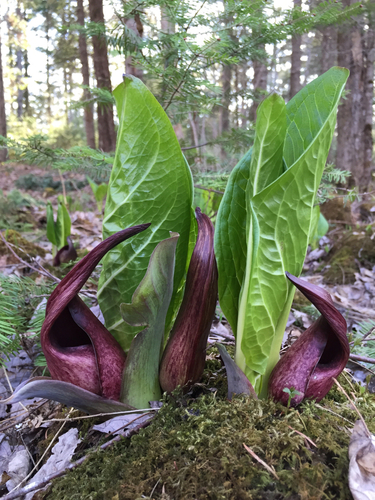
Connecticut, US
You might spot Eastern Skunk Cabbage and Eastern White Pine.
View guide →

New Jersey, US
You might spot Brant, Laughing Gull, and Great Black-Backed Gull.
View guide →

District of Columbia, US
You might spot Spotted Lanternfly and Eastern Gray Squirrel.
View guide →

Pennsylvania, US
You might spot Spotted Lanternfly, Duck, and Asian Lady Beetle.
View guide →
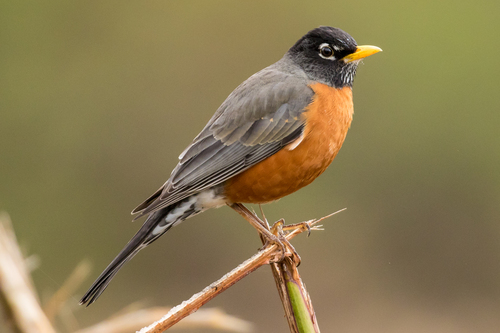
Virginia, US
You might spot American Robin, Red Fox, and Northern Cardinal.
View guide →
Take the discovery with you
Snap it with Snappit to identify it, learn what makes it special, and add the discovery to your collection.













.jpg&width=800)




