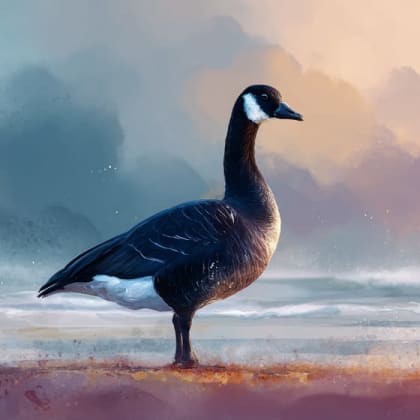





Brent Goose

Step into history at Camp Evans, a captivating site where groundbreaking discoveries shaped modern communication and defense.
Step into history at Camp Evans, a captivating site where groundbreaking discoveries shaped modern communication and defense. Once a pivotal Marconi wireless station and later a top-secret U.S. Army radar laboratory, this National Historic Landmark now houses the InfoAge Science & History Museums, offering a unique journey through scientific ingenuity. It's a place where you can explore the origins of radio, witness the birth of radar technology, and discover the advancements that propelled us into the space age.
The sprawling campus features over a dozen individual museums and numerous exhibits spread across 50,000 square feet within historic buildings. Highlights include the Marconi Wireless Museum, which showcases early transatlantic communication; the World War II Radar Museum, detailing the critical role of radar in the Allied victory; and the InfoAge Space Exploration Center, home to the iconic 60-foot TIROS dish antenna used for early satellite tracking and a genuine Vanguard satellite. Visitors can also delve into vintage computing, electronic warfare, military technology with full-size vehicles, and the maritime heritage of New Jersey at the Shipwreck Museum.
Camp Evans is an immersive destination for all ages, offering a tangible connection to the past and inspiring future innovators. From bouncing your voice off the moon (virtually) to exploring the evolution of computers and witnessing historic military hardware, the venue provides an engaging educational experience. It's a memorable visit for anyone fascinated by the pivotal roles this site played in wireless communication, radar development, and space exploration. Turn your visit into a safari! Use the Snappit app to scan and log wildlife sightings here.
The story of Camp Evans began in 1912 with the establishment of Guglielmo Marconi's Belmar Wireless Communication Station, an East Coast link in his global wireless network that was crucial for transatlantic communication during World War I. In 1941, the U.S. Army acquired the site, renaming it the Evans Signal Laboratory, transforming it into a clandestine research hub for radar technology during World War II. Breakthroughs here included the development of radar systems and Project Diana in 1946, which successfully bounced radar signals off the moon, proving long-distance communication was possible beyond Earth's atmosphere. During the Cold War, Camp Evans continued its vital research, contributing to fields like electronic warfare, missile guidance, and space tracking, including tracking the Soviet Union's Sputnik and the NASA TIROS-1 satellite. It also hosted German scientists as part of Operation Paperclip following WWII. Designated for closure in 1993, the site transitioned to civilian ownership, eventually becoming the InfoAge Science & History Museums, dedicated to preserving its rich legacy of scientific and historical advancements.
Engage with interactive exhibits, listen to early radio programs, program historic computers, see military vehicles, and explore various themed museums.
As visitors travel between multiple buildings to experience the exhibits, dressing appropriately for the weather is recommended, especially during colder months or hot summer days.
While comprehensive details are not readily available, some building modifications have been made for wheelchair accessibility. Visitors should inquire directly with InfoAge for specific needs, noting that travel between buildings is required.
The main visitor center and a significant historic structure.
See the remains of an original Marconi tower and learn about early wireless communication.
Discover the crucial role of radar developed at Camp Evans.
Where the historic radar signals were bounced off the moon in 1946.
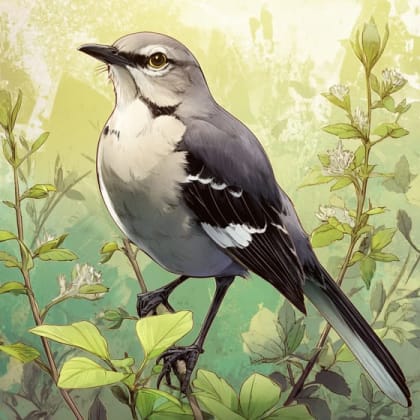
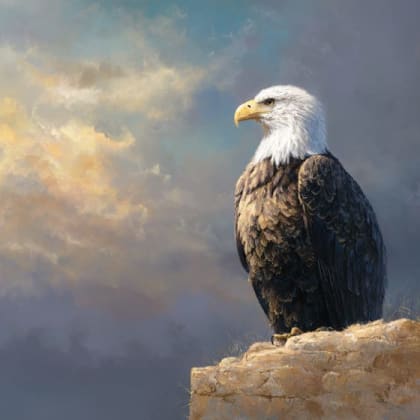
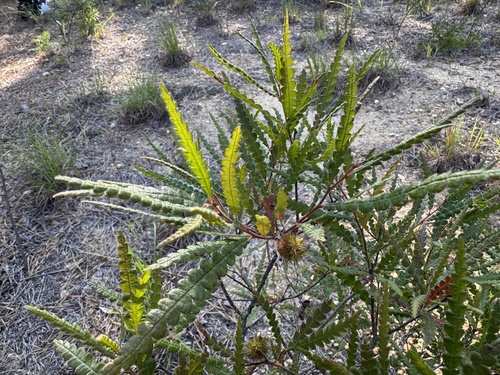
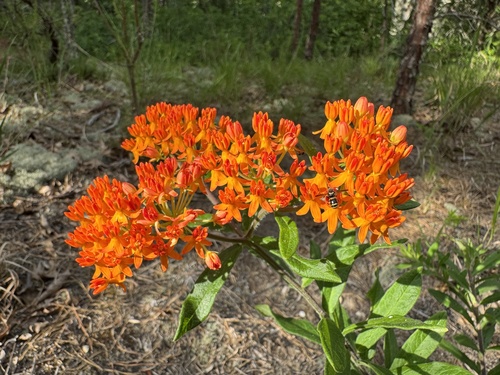
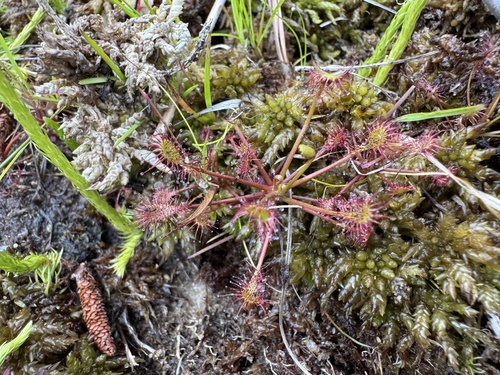
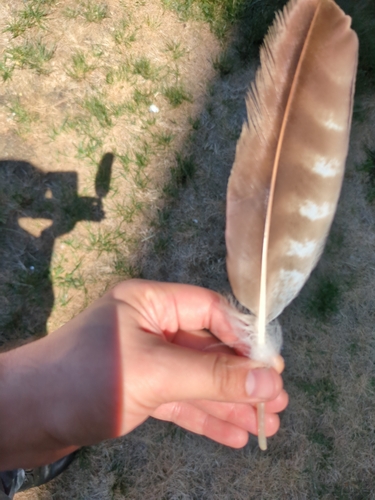
Each card links to a full Explore page with photos, traits, and fun facts.
Start with the big picture, then zoom in to explore individual wildlife observations around this place.
Dress in layers
** You will be moving between different historic buildings, so be prepared for varying temperatures and outdoor walks.
Allow ample time
With many museums and exhibits, plan for at least 3-4 hours to fully experience what Camp Evans has to offer.
Check for events
InfoAge hosts various special events, lectures, and workshops that might align with your interests.
Free parking
Parking is available on-site and is free of charge.
Bring your camera
There are numerous unique historical artifacts, vehicles, and structures perfect for photography.
Review the website
Check the InfoAge Science & History Museums website before your visit for the most current hours, any temporary exhibit closures, or special event schedules.
Jun 19, 2026
Photo attribution
(c) Jason K., some rights reserved (CC BY)
License: CC BY 4.0 ↗
Image may be shown cropped inside the card frame.
Jun 19, 2026
Photo attribution
(c) Jason K., some rights reserved (CC BY)
License: CC BY 4.0 ↗
Image may be shown cropped inside the card frame.
Jun 19, 2026
Photo attribution
(c) Jason K., some rights reserved (CC BY)
License: CC BY 4.0 ↗
Image may be shown cropped inside the card frame.
May 20, 2026
Photo attribution
no rights reserved
License: CC0 1.0 ↗
Image may be shown cropped inside the card frame.
Jun 20, 2026

Maryland, US
You might spot White-Tailed Deer and Eastern Gray Squirrel.
View guide →
.jpg)
District of Columbia, US
You might spot Eastern Gray Squirrel, Duck, and House Sparrow.
View guide →

Illinois, US
You might spot American Robin, Canada Goose, and House Sparrow.
View guide →

Virginia, US
You might spot Spotted Lanternfly and Northern Cardinal.
View guide →
Take the discovery with you
Identify the wildlife you spot, learn as you go, and keep a collection of the adventure.