_001.jpg&width=800)





Spanish Butcher's-broom
Ruscus hypophyllum
Spanish Butcher's-broom is a unique plant with flat, green stems that look like leaves! It grows in shady places and has tiny flowers that turn into bright red berries.
Habitat: Forests
The Spanish Butcher's-broom has glossy, dark green, flattened stems that look like leaves. Its tiny, pale green flowers and vibrant red berries grow directly on the surface of these 'leaf-stems'. Unlike most plants, its true leaves are small, scale-like structures found at the base of the stems.
Category
PlantsRarity
Common
Danger
1/5 · Very low
Snaps
Be the first to snap!
Ancient people used its tough stems to scrub butcher's blocks clean!
Its bright red berries can stay on the plant all winter long, adding a splash of color!
Its tiny flowers and bright red berries grow right on its stiff, leaf-like stems!
This plant can thrive in deep shade, where most other plants struggle to grow!
Spanish Butcher's-broom has flattened stems called cladodes that act like leaves, helping it perform photosynthesis efficiently.
Spanish Butcher's-broom produces bright red berries that attract birds, which then help spread its seeds to new places.
This plant can thrive in deep shade, an adaptation that helps it survive in dense woodland undergrowth where light is scarce.
Turdus merula
eats the plant's berries
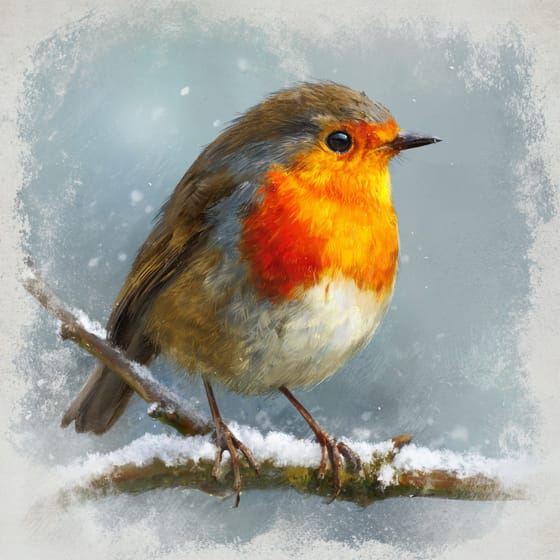
Erithacus rubecula
consumes the plant's fruit
Sarcophaga carnaria
visits flowers for nectar
Flowering plants are any plants that produce flowers as part of their reproductive cycle.
Shade tolerant plants are adapted to grow and thrive in areas with low light levels, requiring less direct sunlight.
A shrub is a woody plant smaller than a tree, typically with multiple stems branching from or near the ground.
Evergreen plants retain their foliage throughout the year, never shedding all their leaves at once.

Fruit-bearing plants produce fruits, which are the mature ovaries of flowering plants containing seeds.

Medicinal plants possess chemical compounds that can be used for therapeutic purposes to treat illnesses or maintain health.

Edible plants are those parts of a plant that are considered safe for human consumption.

Forest habitats are terrestrial environments dominated by dense tree cover, supporting a high diversity of plant and animal life.

This trait characterizes organisms with an exceptionally long lifespan compared to others of their kind.
No aliases listed yet.
Danger
1/5 · Very low
Always look but don't touch wild plants unless a grown-up says it's okay.
The easiest way to identify Spanish Butcher's-broom is to use the Snappit nature identifier app.
30-60 cm
30-50 cm
0.5-1 cm
Late winter to early spring
No
Mild
Perennial
Zoom in to split clusters and explore where this object has been snapped.
Recent snaps will appear here as new observations are added.
Take the discovery with you
Snap it with Snappit to identify it, learn what makes it special, and add the discovery to your collection.







.jpg&width=800)



_001.jpg&width=800)
