Asian Lady Beetle

Stretching for an impressive 32 kilometers, the Parc linéaire de la rivière Saint-Charles offers an enchanting journey through diverse landscapes along the Saint-Charles River, from its source at Lake Saint-Charles to its mouth at Québec City's Old Port.
Stretching for an impressive 32 kilometers, the Parc linéaire de la rivière Saint-Charles offers an enchanting journey through diverse landscapes along the Saint-Charles River, from its source at Lake Saint-Charles to its mouth at Québec City's Old Port. Divided into 13 captivating sectors, this linear park seamlessly blends urban accessibility with natural tranquility, inviting visitors to discover a rich tapestry of plains, canyons, waterfalls, and marshes. It's a cherished green corridor that provides a refreshing escape and a unique perspective on the city, where history and nature unfold side by side.
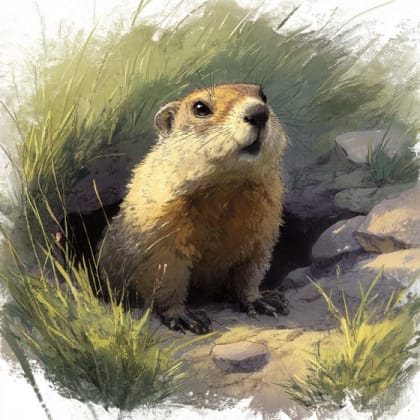
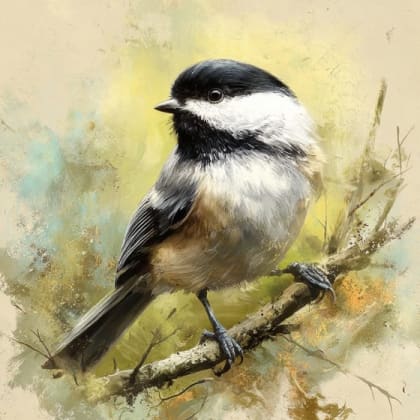
Along its path, the park showcases an incredible variety of habitats, supporting a vibrant array of wildlife. Birdwatchers will delight in spotting species like the Black-capped Chickadee, American Goldfinch, American Robin, and Mallard. Keen eyes might also catch glimpses of Eastern Gray Squirrels, Groundhogs, Eastern Chipmunks, and even Common Garter Snakes. Beyond the fauna, the park's flora is equally captivating, with common milkweed, colt's-foot, yellow trout lily, and red trillium adding splashes of color and natural beauty to the riverside scenery.
Whether you seek a peaceful stroll, an invigorating hike, a cycling adventure, or a cultural exploration, the Parc linéaire de la rivière Saint-Charles offers an unforgettable experience for all seasons. Its well-maintained trails lead to picturesque waterfalls like Kabir Kouba, historical sites such as the Cartier-Brébeuf National Historic Site, and offer insights into Indigenous culture near the Wendake reservation. This commitment to preserving natural beauty and offering year-round recreational activities makes it a truly special destination within Québec City. Turn your visit into a safari! Use the Snappit app to scan and log wildlife sightings here.
The Parc linéaire de la rivière Saint-Charles is a testament to dedicated citizen efforts and environmental rehabilitation. For many years, the banks of the Saint-Charles River were neglected, even described as a "concrete coffin" due to high pollution levels, which deterred public use. However, a mobilized group of citizens championed change, leading to the founding of the Société de la Rivière Saint-Charles in 2000. This non-profit organization took on the mission to protect, conserve, and enhance the river and its surrounding natural environments, making them accessible to the public. Through ongoing maintenance and awareness initiatives, the Société has transformed the riverbanks into the thriving linear park seen today. This transformation not only restored ecological health but also created a cherished public space that connects communities and provides a rich natural and cultural heritage experience. The park also highlights historical significance, as the river's mouth was where Jacques Cartier spent his first winter in Canada in 1535-36, and where the Indigenous village of Stadaconé once stood.
Summer: Enjoy walking, running, and cycling on the paved segments. Canoeing and kayaking are popular activities on the river.
Autumn: The park is awash in red, orange, and yellow hues, making it a prime spot for photography and scenic walks.
Winter: Portions of the trail are groomed for cross-country skiing and snowshoeing. Some segments may be closed or rerouted due to snow or ice, especially for pedestrians.
Spring: Witness the awakening of nature with blooming trees and increased bird activity.
Most sectors of the park offer partial accessibility for people with reduced mobility. However, certain sections, particularly those around the Kabir Kouba waterfall and within the Wendake portion, include stairs and can be challenging. Free parking is available in most areas along the park.
A stunning natural feature with a 42-meter deep canyon, located near the Wendake reservation.
Explore the historical significance of Jacques Cartier's first wintering site.
Discover Indigenous culture through sites like the Onywahtehretsih square, the Wendat People fresco, and local craft shops near the Wendake portion of the park.
Observe a variety of birds, small mammals, and plants throughout the diverse habitats.
Each card links to a full Explore page with photos, traits, and fun facts.
Start with the big picture, then zoom in to explore individual wildlife observations around this place.
Check for trail conditions
Before your visit, especially during spring thaw or winter, check the Société de la Rivière Saint-Charles website for any trail closures or deviations due to erosion or weather conditions.
Explore diverse sectors
With 13 distinct sectors, each offers a unique experience. Don't limit yourself to one; venture to the Wendake area for cultural insights or the Kabir Kouba sector for impressive waterfalls.
Bring essentials
For longer walks or rides, pack water, snacks, and appropriate clothing layers, as the weather can change. Binoculars are great for birdwatching.
Utilize multiple parking areas
Free parking is available in numerous spots along the park. Plan your starting point based on the specific section you wish to explore.
Mind the seasons
Autumn offers breathtaking fall colors for photographers. In winter, be prepared for groomed trails suitable for skiing and snowshoeing, but note that some pedestrian paths may be altered.
Respect wildlife
As a wildlife-friendly area, keep a respectful distance from animals, and avoid disturbing their natural habitats. Staying on marked paths helps protect both you and the ecosystem.
Jun 16, 2026
Photo attribution
no rights reserved
License: CC0 1.0 ↗
Image may be shown cropped inside the card frame.
Jun 16, 2026
Photo attribution
no rights reserved
License: CC0 1.0 ↗
Image may be shown cropped inside the card frame.
Jun 16, 2026
Photo attribution
no rights reserved
License: CC0 1.0 ↗
Image may be shown cropped inside the card frame.
Jun 19, 2026
Jun 19, 2026

Maryland, US
You might spot White-Tailed Deer and Eastern Gray Squirrel.
View guide →
.jpg)
District of Columbia, US
You might spot Eastern Gray Squirrel, Duck, and House Sparrow.
View guide →

Illinois, US
You might spot American Robin, Canada Goose, and House Sparrow.
View guide →

Virginia, US
You might spot Spotted Lanternfly and Northern Cardinal.
View guide →
Take the discovery with you
Identify the wildlife you spot, learn as you go, and keep a collection of the adventure.