





Spiny Lizards
Sceloporus
Spiny lizards are small, colorful reptiles that love to bask in the sun. They have spiky scales that help them blend into their surroundings and stay safe from predators.
Habitat: Desert
The Spiny Lizards have rough, keeled scales that give them a distinctly thorny appearance. Their coloration varies, often browns, grays, or greens, helping them camouflage against rocks and tree bark. Males frequently display bright blue or orange patches on their throat and belly.
Category
ReptilesRarity
Common
Danger
1/5 · Very low
Snaps
1
Males do push-ups to show off and defend their territory!
Some species can survive freezing temperatures by hibernating!
Their sticky tongues can snatch tiny insects in a blink!
They often bask on hot rocks to warm their cold-blooded bodies!
Spiny Lizards have rough, keeled scales that act like armor, protecting them from predators when they squeeze into tight spaces.
Spiny Lizards can lighten or darken their skin to blend perfectly with rocks or tree bark, making them almost invisible.
Spiny Lizards carefully position their bodies to soak up sunbeams, which helps them control their body temperature.
Spiny Lizards mostly munch on small insects and spiders they find by hunting and foraging.
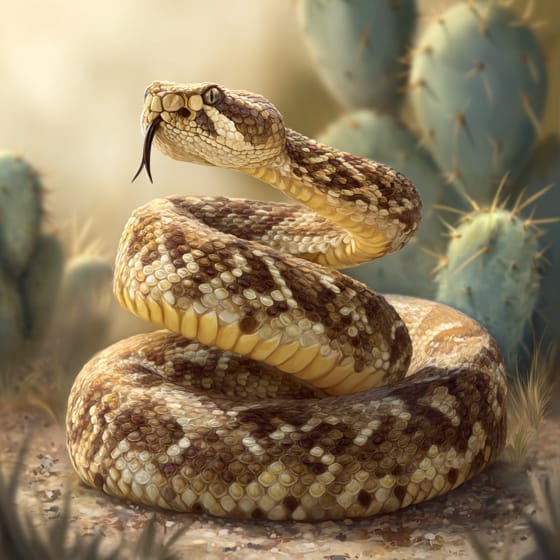
Crotalus atrox
These snakes ambush and swallow spiny lizards whole.
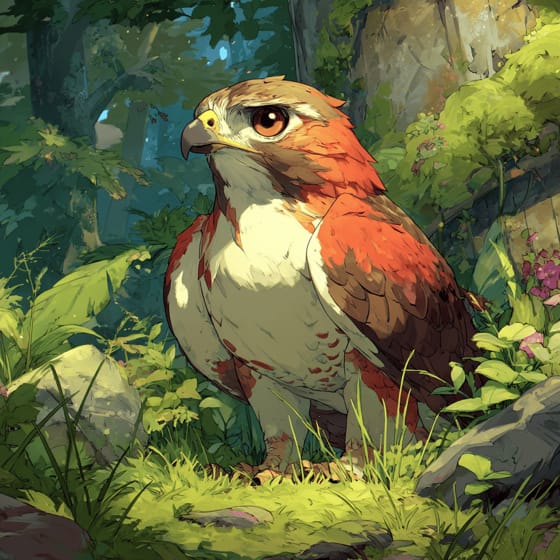
Buteo jamaicensis
Hawks swoop down from above to catch basking spiny lizards.
Formica pallidefulva
Spiny lizards actively hunt and consume these common ants.
Eleodes opaca
Spiny lizards frequently prey on ground-dwelling desert beetles.
Climbing or vine plants are characterized by a growth habit that allows them to ascend upwards by twining, tendrils, or adhesive roots.
Solitary animals live alone for most of their lives, only interacting with others for mating or parental care.
Colorful describes organisms or objects displaying a wide range of bright and distinct colors.
This trait identifies organisms whose diet primarily consists of insects and other small invertebrates.
Thermoregulating organisms maintain a stable internal body temperature despite fluctuations in the external environment.

Desert habitats are arid regions characterized by extremely low precipitation and often extreme temperatures, supporting specialized flora and fauna.

Possessing sharp, pointed projections or spines on the body or surface.

Diurnal animals are primarily active during daylight hours, typically resting or sleeping at night.
No aliases listed yet.
Danger
1/5 · Very low
If you see a lizard, watch it from a distance and don't try to touch it.
The easiest way to identify Spiny Lizards is to use the Snappit nature identifier app.
7-30 cm
0.005-0.1 kg
3-8 years
20 km/h
Spiny Lizards mostly munch on small insects and spiders they find by hunting and foraging.
Desert
Ambush
Zoom in to split clusters and explore where this object has been snapped.
Take the discovery with you
Snap it with Snappit to identify it, learn what makes it special, and add the discovery to your collection.














