Golden Eagle

The Navajo Nation Zoological and Botanical Park is the only tribally owned and operated zoo in the United States, offering a profound connection to the flora and fauna significant to Navajo culture.
The Navajo Nation Zoological and Botanical Park is the only tribally owned and operated zoo in the United States, offering a profound connection to the flora and fauna significant to Navajo culture. Located in Window Rock, Arizona, the capital of the Navajo Nation, this distinctive park serves as "a Sanctuary for Nature and the Spirit," dedicated to preserving native plants and animals, especially rare, sensitive, and endangered species. It's a place where tradition meets conservation, providing a free and enriching experience for all visitors.
Visitors can marvel at a diverse collection of animals, almost all native to the Navajo Nation and the desert Southwest, which often come to the park as injured or orphaned rescues unable to survive in the wild. Key highlights include the majestic Golden Eagle Sanctuary, which houses non-releasable eagles and provides a legal source of molted feathers for the Navajo people. Other captivating creatures include the elusive Mexican wolves, powerful black bears, cunning bobcats, graceful cougars, and large elk. The botanical aspects showcase native plants, often landscaped into xeriscapes, reflecting the region's natural beauty and ecological importance.
This special zoo is more than just an animal park; it's an educational and cultural immersion. The animal signs are thoughtfully presented in both English and Navajo, promoting language preservation and deepening understanding of the animals' significance within Navajo traditions. Its mission to educate visitors about the beauty and significance of animals and species on Navajo land, combined with its tranquil setting amidst Window Rock's natural sandstone terrain, makes it a memorable and enriching destination. Be ready to snap and learn! Get the Snappit app to identify any nature species you find here.
The Navajo Nation Zoological and Botanical Park began humbly in the early 1960s with a single orphaned black bear left behind after the 1963 Navajo Nation Fair. Initially named "Yogi the Bear," this first resident sparked the growth of the facility. The zoo officially opened and was dedicated on July 4, 1977. It relocated to its current 14.7-acre home in 1976 and was originally known as the "Navajo Tribal Zoo" under the Navajo Tribal Parks and Recreation system. In September 2006, it was reorganized and became part of the Navajo Nation Department of Fish and Wildlife. A significant addition to the park was the Navajo Nation Golden Eagle Sanctuary, which officially opened on July 1, 2016, providing a permanent home for non-releasable eagles and serving as a vital cultural resource.
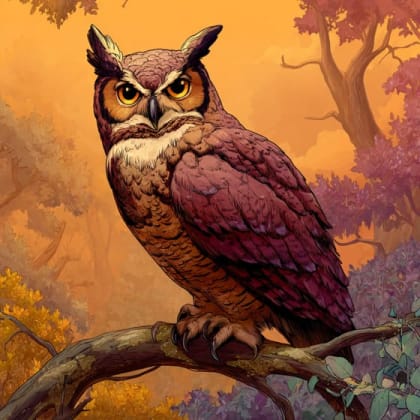
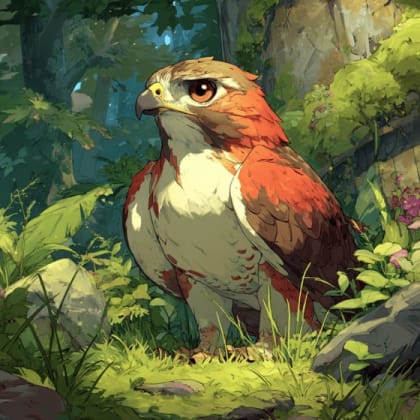
Engage with the bilingual English and Navajo signage to learn about the animals and their cultural significance. Enjoy observing the animals, many of which are rescues. Visitors can also see the elk, bobcats, coyotes, and various native birds of prey like great horned owls and red-tailed hawks.
Summers can be very hot in Window Rock, so early mornings are advisable if visiting then. Winters can be cold. Animal activity might be higher during cooler parts of the day.
The park has made improvements, including a paved parking lot and concrete sidewalks, enhancing accessibility for visitors. Bench seating and shaded areas are also available.
An expansive aviary housing several non-releasable golden eagles, offering an up-close view of these culturally significant birds.
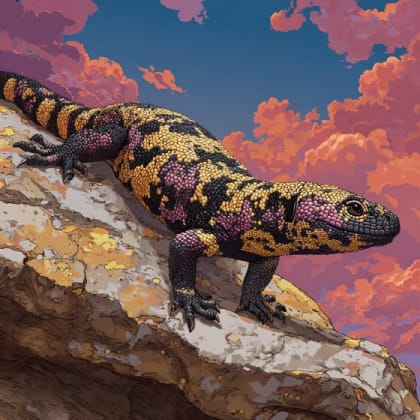
Witness this federally endangered species, a testament to the park's conservation efforts.
Observe these powerful native predators.
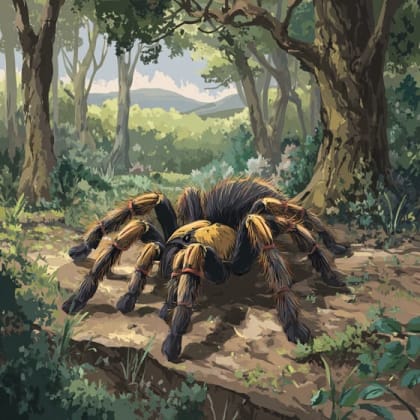
Features various invertebrates (like tarantulas and scorpions) and shares traditional Navajo stories about animals.
Each card links to a full Explore page with photos, traits, and fun facts.
Start with the big picture, then zoom in to explore individual wildlife observations around this place.
Arrive early
Especially during warmer months, animals are often more active in the cooler parts of the morning.
Wear comfortable shoes
The park features concrete sidewalks and walking paths, so comfortable footwear is recommended.
Bring water
Staying hydrated is important, particularly in the arid Arizona climate.
Explore the Golden Eagle Sanctuary
This is a significant exhibit with a strong cultural connection for the Navajo people.
Read the bilingual signs
Take time to read both the English and Navajo descriptions to gain a deeper understanding of the animals and their cultural importance.
Visit the nearby Navajo Nation Museum
Located close by, it offers a complementary cultural experience to enhance your visit.
May 18, 2025
Photo attribution
(c) Elizabeth Paley, some rights reserved (CC BY-SA)
License: CC BY-SA 4.0 ↗
Image may be shown cropped inside the card frame.
May 25, 2024
Photo attribution
(c) William Harmon, some rights reserved (CC BY)
License: CC BY 4.0 ↗
Image may be shown cropped inside the card frame.
Jun 16, 2023
Photo attribution
(c) Ian McFaul, some rights reserved (CC BY)
License: CC BY 4.0 ↗
Image may be shown cropped inside the card frame.
May 19, 2026
May 19, 2026

Michigan, US
You might spot African Lion, Komodo Dragon, and Brown Bear.
View guide →
.jpg)
Municipal District of Cobh, IE
You might spot Ring-Tailed Lemur, Giraffes, and Cheetahs.
View guide →

Nouvelle-Aquitaine, FR
You might spot Greater Flamingo, Giraffes, and Red Panda.
View guide →

Texas, US
You might spot Giraffes, African Lion, and Eastern Black Rhinoceros.
View guide →
Take the discovery with you
Identify the wildlife you spot, learn as you go, and keep a collection of the adventure.