





Spoonleaf Sundew
drosera intermedia
The Spoonleaf Sundew is a fascinating plant that catches tiny bugs with its sticky leaves! Kids will love to learn how this plant eats insects to get nutrients from them.
Habitat: Wetlands and boggy areas
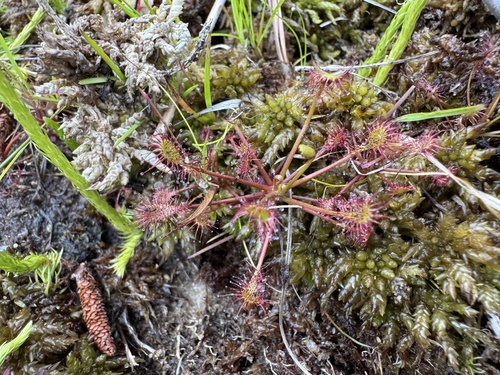
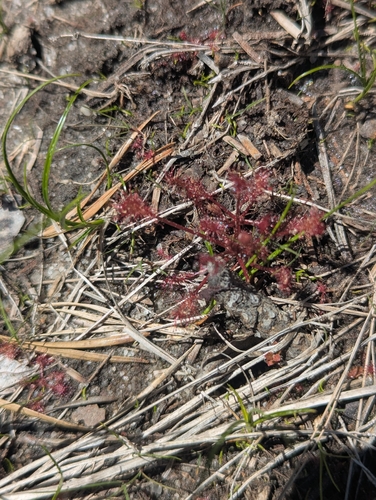
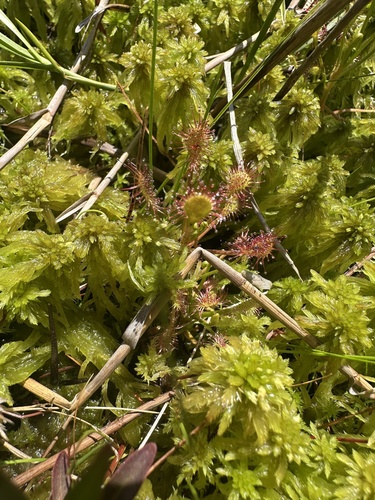
The Spoonleaf Sundew has small, spoon-shaped leaves arranged in a rosette, often tinged with striking red or orange hues. Its leaves are covered in glistening, clear sticky droplets that look like morning dew, designed to trap tiny insects. It produces tiny white or pale pink flowers on a slender stalk.
Category
PlantsRarity
Common
Danger
0/5 · No known danger
Snaps
9
It often grows right next to Sphagnum moss, which helps create its perfect wetland home!
Its name, Drosera, comes from a Greek word meaning 'dewy' because of its sparkling leaves!
Some sundews have been observed to move their sticky tentacles in just seconds to trap prey!
This amazing plant can actually live for many years, making it a long-lived bog resident!
Spoonleaf Sundew can catch small insects using sticky, glistening dewdrops on its leaves that act like flypaper.
Spoonleaf Sundew can digest its insect prey with special enzymes to get extra nutrients its boggy soil lacks.
Spoonleaf Sundew has leaves that can slowly curl inward, enveloping trapped insects to ensure a successful meal.
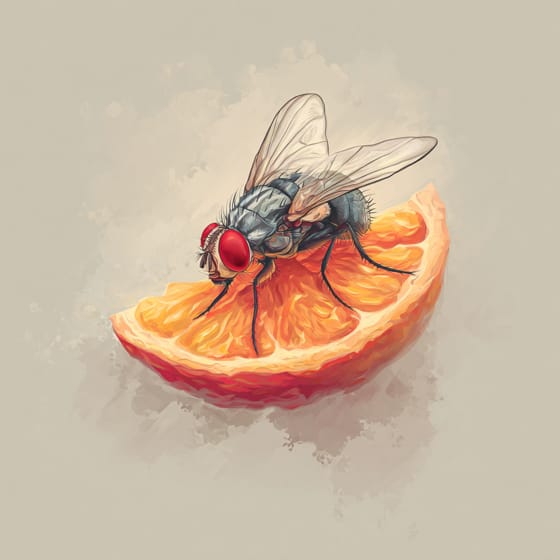
Drosophila melanogaster
A common small insect that often becomes a meal.
Apis mellifera
These insects help transfer pollen between flowers, aiding reproduction.
Sphagnum cuspidatum
Often grows directly in dense mats of this moss for its acidic habitat.
Solitary animals live alone for most of their lives, only interacting with others for mating or parental care.
Colorful describes organisms or objects displaying a wide range of bright and distinct colors.
This trait identifies organisms whose diet consists entirely or primarily of animal tissue.
Aquatic habitats encompass environments where organisms live predominantly in water, including oceans, rivers, lakes, and wetlands.

Endangered status indicates a species is at a very high risk of extinction in the wild in the near future.
Danger
0/5 · No known danger
No special safety notes yet.
The easiest way to identify Spoonleaf Sundew is to use the Snappit nature identifier app.
2-10 cm
3-8 cm
0.5-0.8 cm
Summer
No
None
Perennial
Zoom in to split clusters and explore where this object has been snapped.
Jun 19, 2026
Camp EvansPhoto attribution
(c) Jason K., some rights reserved (CC BY)
License: CC BY 4.0 ↗
Image may be shown cropped inside the card frame.
Jun 4, 2026
Long Island Aquarium and Exhibition CenterPhoto attribution
no rights reserved
License: CC0 1.0 ↗
Image may be shown cropped inside the card frame.
May 26, 2026
CheshamPhoto attribution
(c) Jaime McGuigan, some rights reserved (CC BY)
License: CC BY 4.0 ↗
Image may be shown cropped inside the card frame.

Wisconsin, US
You might spot Purple Pitcher Plant, Papillose Peatmoss, and Tamarack.
View guide →

New Jersey, US
You might spot Brant, Laughing Gull, and Great Black-Backed Gull.
View guide →

New Hampshire, US
You might spot Eastern Red-Backed Salamander and Eastern Newt.
View guide →

New York, US
You might spot Coral, Sea Lion, and African Penguin.
View guide →
New York, US
You might spot Sand Tiger Shark, African Penguin, and Sea Lion.
View guide →

South Carolina, US
You might spot Northern Mockingbird, Yaupon Holly, and Heavenly Bamboo.
View guide →
Take the discovery with you
Snap it with Snappit to identify it, learn what makes it special, and add the discovery to your collection.









.jpg&width=800)



_001.jpg&width=800)




