





spotted Joe-Pye weed
Eutrochium maculatum
Spotted Joe-Pye weed is a tall, beautiful flower that can grow up to 7 feet high! It has big, fluffy pink-purple blooms that attract butterflies and bees, making it a favorite in gardens.
Habitat: Wetlands
The spotted Joe-Pye weed has sturdy green stems often marked with purple spots, giving it its distinctive name. It produces large, flat-topped clusters of fuzzy, pinkish-purple flowers that make it stand out from late summer through fall.
Category
PlantsRarity
Common
Danger
1/5 · Very low
Snaps
Be the first to snap!
Butterflies love its nectar so much, sometimes the flowers look like they're covered in wings!
Its scientific name, Eutrochium, means "well-nourished" or "robust," describing its strong growth!
Native Americans once used this plant to help with fevers and other ailments!
Some varieties of this plant can grow taller than a basketball hoop!
Spotted Joe-Pye weed can thrive in soggy soils that other plants can't tolerate, helping it find new places to grow.
Spotted Joe-Pye weed has nectar-rich flowers that attract many bees and butterflies, ensuring its seeds are made.
Spotted Joe-Pye weed can grow over 8 feet tall, helping it reach sunlight above smaller plants in its habitat.
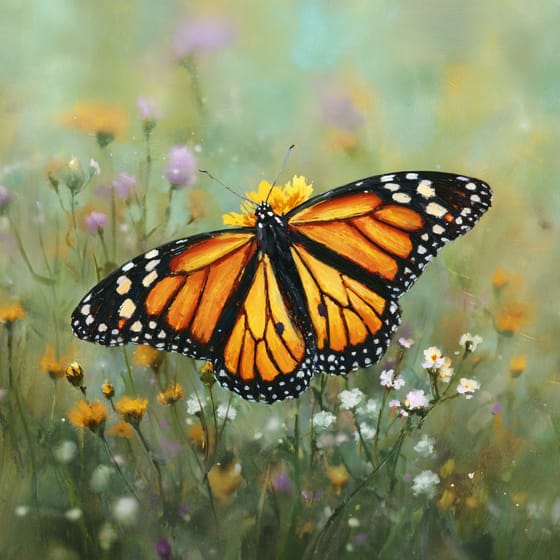
Danaus plexippus
sips nectar, spreading pollen between plants.

Bombus impatiens
gathers pollen and nectar from its blooms.
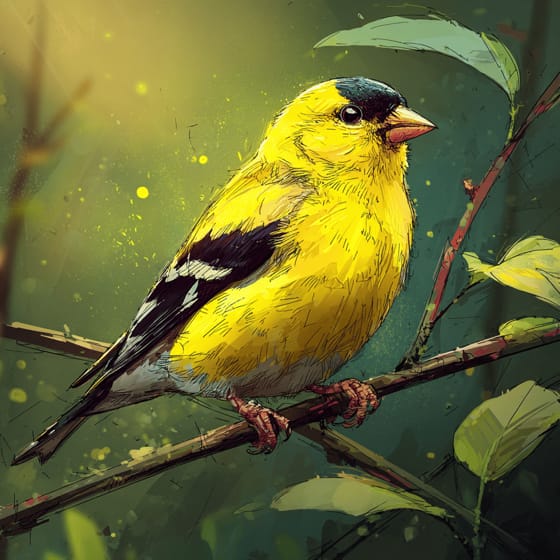
Spinus tristis
feasts on its mature seeds in fall.
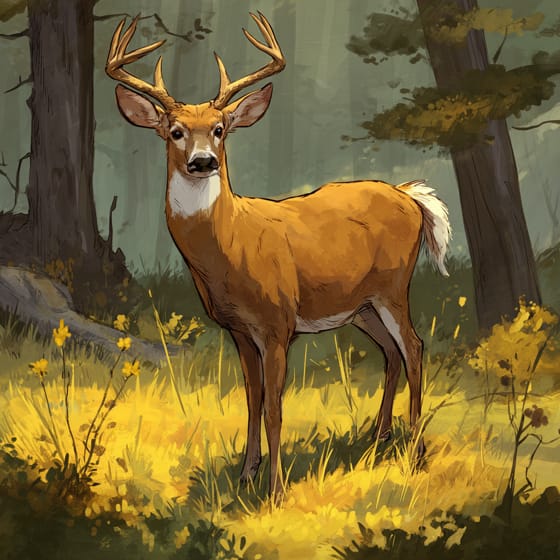
Odocoileus virginianus
browses its leaves, though it's not a favorite.
Marked with spots or patches of a different color.
Flowering plants are any plants that produce flowers as part of their reproductive cycle.
Ornamental plants are cultivated primarily for their aesthetic appeal, enhancing landscapes and gardens with their attractive foliage, flowers, or form.
Cluster flowers are inflorescences where individual flowers are arranged closely together on a common stem.

Summer blooming plants produce their flowers during the summer season, often providing vibrant color when many other plants have finished.

Fragrant flowers emit a pleasant aroma, often to attract pollinators or for defense.

Medicinal plants possess chemical compounds that can be used for therapeutic purposes to treat illnesses or maintain health.

Describes plants that are particularly attractive and beneficial to a wide range of pollinating organisms.

This habitat trait identifies species found in wetlands, which are areas of land saturated with water, either permanently or seasonally, including marshes, swamps, and bogs.
No aliases listed yet.
Danger
1/5 · Very low
Always look but don't touch plants without asking an adult first.
The easiest way to identify spotted Joe-Pye weed is to use the Snappit nature identifier app.
100-250 cm
60-120 cm
10-25 cm
Late summer to fall
Yes
None
Perennial
Zoom in to split clusters and explore where this object has been snapped.
Recent snaps will appear here as new observations are added.
Take the discovery with you
Snap it with Snappit to identify it, learn what makes it special, and add the discovery to your collection.








.jpg&width=800)


_001.jpg&width=800)




