





Spotted Toad
Rhaebo guttatus
The Spotted Toad is a unique amphibian with beautiful spots on its skin. It loves to hop around in moist areas and is often found near ponds and streams.
Habitat: Wetlands
The Spotted Toad is a large, sturdy amphibian, typically brown to gray with darker irregular spots and warty skin. It has prominent reddish-orange glands behind its eyes, making it visually distinct from smooth-skinned frogs.
Category
AmphibiansRarity
Common
Danger
2/5 · Low
Snaps
Be the first to snap!
Some toads, like this one, can live for over 10 years in the wild, which is ancient for an amphibian!
Their powerful hind legs aren't just for hopping; they are super digging tools for hiding!
They swell up like a balloon when threatened, making themselves too big for some predators to swallow!
Toads don't drink water with their mouths; they soak it up through their skin like a sponge!
Spotted Toad has special glands behind its eyes that produce a milky toxin, helping protect them from predators.
Spotted Toad can quickly flick out its long, sticky tongue to snatch unsuspecting insects for a meal.
Spotted Toad has strong hind legs and bony spades on its feet to dig backwards and burrow into the soil.
This hungry amphibian eats many creepy crawlies to stay strong and healthy!
Age differences: Young tadpoles are detritivores, filtering algae and decaying matter, while adults are carnivores.
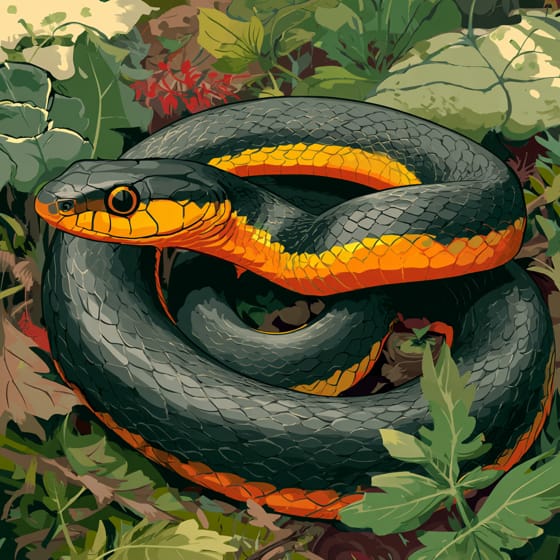
Leptodeira annulata
This nocturnal snake preys on amphibians, including toads.

Coragyps atratus
Vultures may scavenge on sick or injured toads.
Blattella germanica
The toad helps control populations of various insects.
Camponotus rufipes
An important predator of many ground-dwelling invertebrates.
Marked with spots or patches of a different color.
Solitary animals live alone for most of their lives, only interacting with others for mating or parental care.
Camouflaged describes organisms that possess coloring or patterns that allow them to blend into their environment.
Colorful describes organisms or objects displaying a wide range of bright and distinct colors.

This trait identifies organisms whose diet primarily consists of insects and other small invertebrates.

This habitat trait identifies species found in wetlands, which are areas of land saturated with water, either permanently or seasonally, including marshes, swamps, and bogs.

Nocturnal animals are primarily active during the nighttime hours, typically resting or sleeping during the day.
No aliases listed yet.
Danger
2/5 · Low
Always wash your hands after touching a toad, as their skin can be sensitive.
The easiest way to identify Spotted Toad is to use the Snappit nature identifier app.
10-18 cm
0.1-0.5 kg
5-10 years
1 km/h
This hungry amphibian eats many creepy crawlies to stay strong and healthy!
Wetlands
Ambush
Zoom in to split clusters and explore where this object has been snapped.
Recent snaps will appear here as new observations are added.
Take the discovery with you
Snap it with Snappit to identify it, learn what makes it special, and add the discovery to your collection.







.JPG&width=800)



.jpg&width=800)

