





Common Nighthawk
Agate Desert Preserve protects a rare and dynamic vernal pool ecosystem in Southern Oregon.
Agate Desert Preserve protects a rare and dynamic vernal pool ecosystem in Southern Oregon. This unique prairie landscape bursts with life, especially during spring, showcasing specialized flora and fauna found almost nowhere else on Earth. It's a critical haven for numerous endangered species and a living laboratory for ecological study.
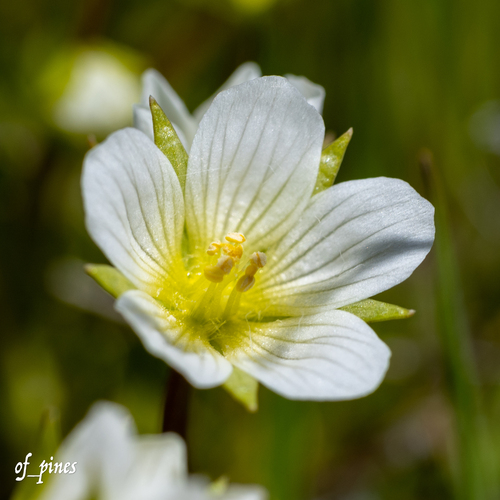
The preserve is renowned for its ephemeral vernal pools, which fill with water in winter and spring, then dry out in summer, creating a unique habitat. These pools are home to endangered invertebrates like the Vernal Pool Fairy Shrimp and support an astonishing array of rare plants, including Gentner's Fritillary, Agate Meadowfoam, and Cook's Lomatium. Beyond the pools, the swales and upland prairies provide habitat for various native grasses, wildflowers, migratory birds, and small mammals.
Visiting Agate Desert offers a profound connection to a truly distinctive natural environment. It's a place where the subtle beauty of highly adapted life forms thrives, inviting reflection on the delicate balance of ecosystems and the importance of conservation. Birdwatchers, botanists, and nature photographers will find endless opportunities to explore and capture its unique charm. Take the ultimate field guide with you: use the Snappit app to identify birds, plants, and animals on your trip.
The Agate Desert Preserve protects one of the most significant remaining vernal pool and swale complexes in the Rogue Valley. This unique ecosystem, characterized by seasonal wetlands, once covered much of the valley floor but has been significantly reduced due to agricultural and urban development. Recognizing its ecological importance and the presence of numerous rare and endangered species, efforts were made to protect the area. Establishment of the preserve involved collaborations between organizations like the Bureau of Land Management (BLM) and The Nature Conservancy. The Agate Desert Preserve specifically aims to conserve the delicate balance of this prairie habitat and its endemic species, ensuring their survival for future generations.
Walk the designated trails to observe the distinct vernal pool and swale topography. Engage in birdwatching, especially during migratory seasons, as the preserve attracts various waterfowl and grassland birds. Photography opportunities abound, particularly for macro photography of wildflowers and invertebrates.
Spring: Peak wildflower season and vernal pool activity. Expect wet conditions around the pools. Temperatures are generally mild.
Summer: Pools dry out, and the landscape takes on a drier, golden prairie appearance. Many plants go dormant. Can be hot.
Fall: Cooler temperatures, some migratory bird activity.
Winter: Cold and wet; pools begin to fill.
Information on specific paved trails or wheelchair accessibility is limited. Many trails are likely unpaved and natural prairie paths, which may not be suitable for all mobility types. Visitors should inquire locally or check the BLM website for the most current accessibility information.
The vernal pools themselves, which are teeming with microscopic life and fringed by unique flora, are the main attraction. Look for the vibrant displays of Agate Meadowfoam and the striking Gentner's Fritillary during their bloom.
Each card links to a full Explore page with photos, traits, and fun facts.
Start with the big picture, then zoom in to explore individual wildlife observations around this place.
Visit in Spring
Plan your trip for April or early May to experience the preserve at its most vibrant, with full vernal pools and blooming wildflowers.
Wear Waterproof Footwear
Trails around the vernal pools can be muddy and wet during the spring, so waterproof boots are highly recommended.
Bring Binoculars and a Camera
Essential for birdwatching and capturing the intricate details of the unique flora and fauna. Macro lenses are great for wildflowers.
Stay on Designated Trails
To protect the fragile ecosystem and endangered species, always remain on marked paths and avoid disturbing plants or soil.
Pack Water and Snacks
There are likely no services available at the preserve, so come prepared with your own refreshments.
Leave No Trace
Pack out everything you pack in, and help preserve the natural beauty of Agate Desert.
Apr 21, 2026
Aug 3, 2023
Jun 22, 2023
May 27, 2023
May 24, 2023

Maryland, US
You might spot White-Tailed Deer and Eastern Gray Squirrel.
View guide →
.jpg)
District of Columbia, US
You might spot Eastern Gray Squirrel, Duck, and House Sparrow.
View guide →

Illinois, US
You might spot American Robin, Canada Goose, and House Sparrow.
View guide →

Virginia, US
You might spot Spotted Lanternfly and Northern Cardinal.
View guide →
Take the discovery with you
Identify the wildlife you spot, learn as you go, and keep a collection of the adventure.












