





Square-spot Rustic
Xestia xanthographa
The Square-spot Rustic is a special moth with a unique square-shaped mark on its wings. It loves to fly around during the night and can be found in gardens and fields.
Habitat: Gardens and fields
The Square-spot Rustic has forewings that vary from pale yellow-brown to dark reddish-brown, often with a prominent, darker square-shaped spot near the center of each. Its hindwings are typically greyish-brown, lacking distinct patterns.
Category
InsectsRarity
Common
Danger
1/5 · Very low
Snaps
Be the first to snap!
Caterpillars of this moth are tiny plant munchers that hide near the ground.
Its scientific name, 'xanthographa', hints at its 'yellow writing' markings!
One of Europe's most common moths, fluttering through gardens everywhere!
This moth loves garden lights, making it easy to spot on warm nights.
Square-spot Rustic has mottled wings and a square spot that helps them blend with tree bark, hiding from predators.
Square-spot Rustic can navigate and find flowers in darkness because its sensitive antennae detect subtle scent trails.
Square-spot Rustic can survive cold winters as a caterpillar because its body slows metabolism, remaining dormant.
Adults sip flower nectar; caterpillars munch on various low-growing plants.
Age differences: Larvae feed on plants, while adults drink nectar.
Myotis myotis
Hunted at night while flying.
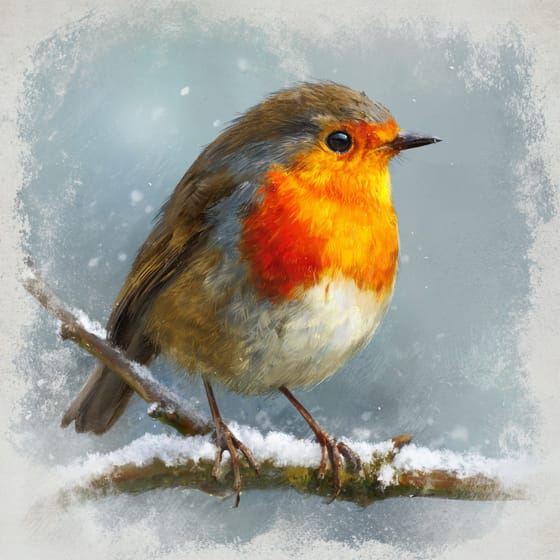
Erithacus rubecula
Eats moths resting during the day.
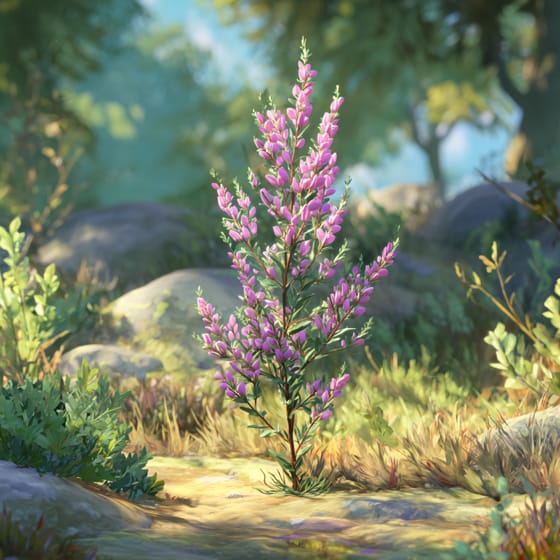
Calluna vulgaris
Adults visit flowers for nectar.

Plantago major
Caterpillars feed on its leaves.
Marked with spots or patches of a different color.
Solitary animals live alone for most of their lives, only interacting with others for mating or parental care.
Camouflaged describes organisms that possess coloring or patterns that allow them to blend into their environment.
Grassland habitats are terrestrial biomes dominated by grasses and herbaceous plants, supporting a variety of grazing animals.

This trait characterizes organisms whose diet consists entirely or primarily of plant material.

Describes plants that are particularly attractive and beneficial to a wide range of pollinating organisms.

This habitat trait indicates species that can coexist with humans in urban and suburban environments, utilizing man-made structures and green spaces.

Nocturnal animals are primarily active during the nighttime hours, typically resting or sleeping during the day.

Describes organisms that transfer pollen, enabling the fertilization and reproduction of plants.
No aliases listed yet.
Danger
1/5 · Very low
Moths are generally safe to observe, but don't touch them as they can be delicate.
The easiest way to identify Square-spot Rustic is to use the Snappit nature identifier app.
35-42 mm
12-18 mm
14-21 days
10 km/h
Adults sip flower nectar; caterpillars munch on various low-growing plants.
Gardens and fields
Foraging
Zoom in to split clusters and explore where this object has been snapped.
Recent snaps will appear here as new observations are added.
Take the discovery with you
Snap it with Snappit to identify it, learn what makes it special, and add the discovery to your collection.







.jpg&width=800)




