





St. Lawrence Tiger Moth
Arctia parthenos
The St. Lawrence Tiger Moth is a fuzzy, colorful insect that loves to fly at night. Its beautiful orange and black patterns help it blend in with flowers and leaves.
Habitat: Forests
The St. Lawrence Tiger Moth has jet-black forewings with bold, irregular creamy-white patterns, strikingly different from its bright red-orange hindwings marked with large black spots. Its body is fuzzy and dark with red-orange bands.
Category
InsectsRarity
Common
Danger
1/5 · Very low
Snaps
1
Adult moths often don't eat, living off energy stored from their caterpillar days.
If disturbed, this moth drops and plays dead, surprising predators.
Its brilliant hindwing colors are hidden until it flies, startling attackers!
Its scientific name, Arctia, means "bear," just like its fuzzy caterpillar looks!
St. Lawrence Tiger Moth has bright wing colors to warn predators, because its body tastes very bad.
St. Lawrence Tiger Moth can hear high-pitched bat sounds, helping it quickly dodge aerial attacks from hungry predators.
St. Lawrence Tiger Moth caterpillars can freeze solid and thaw, producing natural antifreeze to survive winter.
Caterpillars munch on plant leaves, while adult moths usually don't eat.
Age differences: Young caterpillars eat leaves; adults typically do not feed.

Taraxacum officinale
Larvae consume the broad leaves of this common plant.
Plantago major
Larvae eat the leaves, especially broadleaf varieties.
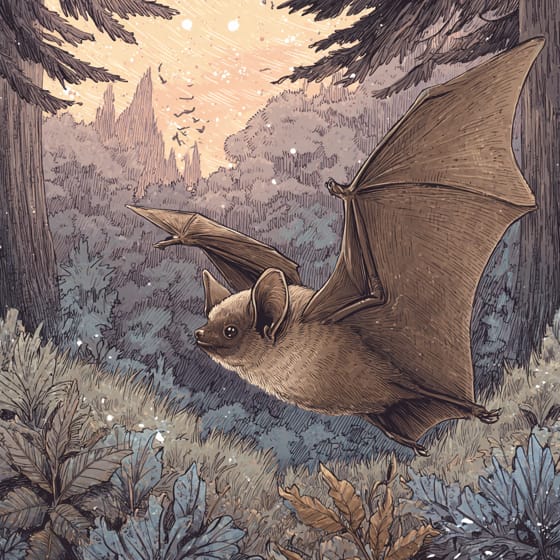
Myotis lucifugus
Bats actively hunt and consume adult moths using echolocation.
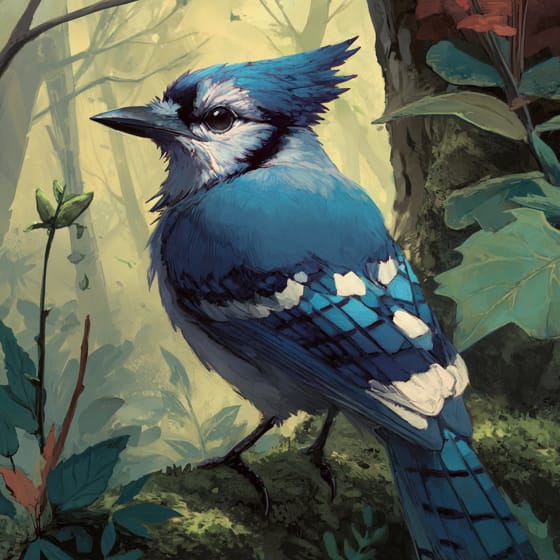
Cyanocitta cristata
Birds prey on both the adult moths and the slow-moving caterpillars.
Furry describes animals possessing a dense covering of soft hair or fur.
Solitary animals live alone for most of their lives, only interacting with others for mating or parental care.
Camouflaged describes organisms that possess coloring or patterns that allow them to blend into their environment.
Colorful describes organisms or objects displaying a wide range of bright and distinct colors.

This trait characterizes organisms whose diet consists entirely or primarily of plant material.

Forest habitats are terrestrial environments dominated by dense tree cover, supporting a high diversity of plant and animal life.

Nocturnal animals are primarily active during the nighttime hours, typically resting or sleeping during the day.

Describes organisms that transfer pollen, enabling the fertilization and reproduction of plants.
No aliases listed yet.
Danger
1/5 · Very low
Don't touch moths without asking an adult, as some can be delicate.
The easiest way to identify St. Lawrence Tiger Moth is to use the Snappit nature identifier app.
45-60 mm
15-25 mm
7-14 days
10-20 km/h
Caterpillars munch on plant leaves, while adult moths usually don't eat.
Forests
Foraging
Zoom in to split clusters and explore where this object has been snapped.
Take the discovery with you
Snap it with Snappit to identify it, learn what makes it special, and add the discovery to your collection.








.jpg&width=800)


