





Stickpeas
calliandra
Stickpeas are fun and fluffy plants that look like they have tiny green pom-poms! They love to grow in sunny places and can be found in many gardens.
Habitat: Stickpeas typically grow in warm, sunny climates, often found in gardens and parks.
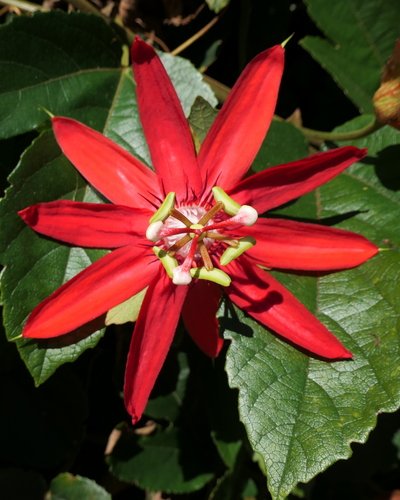
The Stickpeas has delicate, fern-like leaves and striking, fluffy flowers that resemble powder puffs or bottlebrushes. These vibrant blooms are typically bright red, pink, or white, creating a spectacular visual display that stands out against its green foliage.
Category
PlantsRarity
Common
Danger
0/5 · No known danger
Snaps
Be the first to snap!
Did you know Stickpeas' flowers look like tiny fireworks exploding?
Some Stickpeas plants fold their feathery leaves closed at night!
Stickpeas are related to your yummy snack, peas, and green beans!
Their 'powder puff' flowers are actually made of hundreds of tiny stamens.
Stickpeas has special bacteria in its roots that helps it get nutrients from the soil, making it a strong grower.
Stickpeas can attract many insects and birds with its bright, showy flowers, helping them find food and spread pollen.
Many Stickpeas species can tolerate dry periods, helping them survive even when water is scarce.
Apis mellifera
visits flowers for nectar and pollen
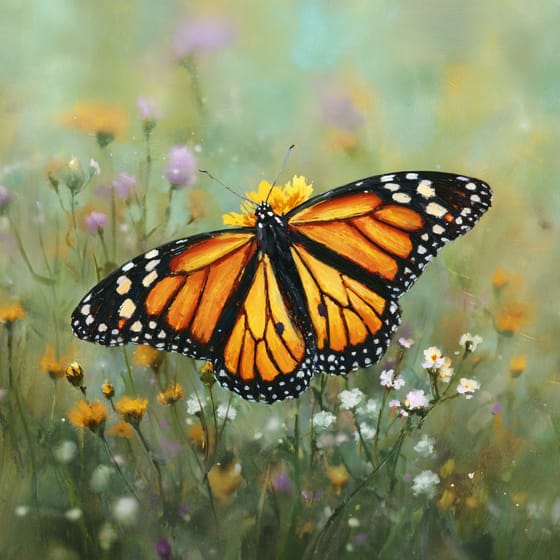
Danaus plexippus
attracted to the bright blooms
Rhizobium leguminosarum
helps the plant get nutrients from soil

Odocoileus virginianus
sometimes browse on leaves and young shoots
Social animals live in organized groups, cooperating for survival benefits such as foraging, defense, and raising offspring.
Colorful describes organisms or objects displaying a wide range of bright and distinct colors.
This trait characterizes organisms whose diet consists entirely or primarily of plant material.
Forest habitats are terrestrial environments dominated by dense tree cover, supporting a high diversity of plant and animal life.

Describes organisms that transfer pollen, enabling the fertilization and reproduction of plants.
Danger
0/5 · No known danger
Always ask an adult before touching unfamiliar plants.
The easiest way to identify Stickpeas is to use the Snappit nature identifier app.
100-300 cm
100-250 cm
3-5 cm
Spring to Fall
No
None
Perennial
Zoom in to split clusters and explore where this object has been snapped.
Recent snaps will appear here as new observations are added.
Take the discovery with you
Snap it with Snappit to identify it, learn what makes it special, and add the discovery to your collection.








.jpg&width=800)



_001.jpg&width=800)




