





Stinkwort
Dittrichia graveolens
Stinkwort is a plant that can grow tall and has bright yellow flowers. It gets its name because it can smell strong and stinky when you touch it. It's often found in sunny places!
Habitat: Grasslands
The Stinkwort has many slender, branching stems covered in sticky hairs. It produces numerous small, bright yellow, daisy-like flower heads clustered at the tips of branches. Its narrow, green leaves are also sticky, giving it a somewhat ragged appearance.
Category
PlantsRarity
Common
Danger
2/5 · Low
Snaps
1
Each Stinkwort plant can make thousands of seeds that fly far on the wind!
It loves growing in disturbed places like roadsides and construction sites!
Its super sticky stems feel like flypaper and can trap tiny bugs!
When touched, this plant unleashes a strong, pine-like, resin smell!
Stinkwort has sticky, hairy stems and leaves that can trap small insects, helping it defend itself.
Stinkwort releases a strong, pungent, resinous smell when disturbed, deterring herbivores.
Stinkwort can produce thousands of tiny, wind-dispersed seeds to quickly colonize new areas.
Apis mellifera
Bees visit its small yellow flowers for nectar.
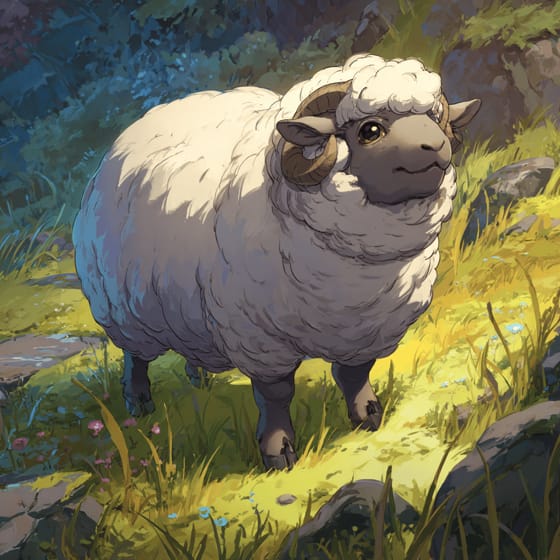
Ovis aries
Grazing sheep can become ill from ingesting the plant.
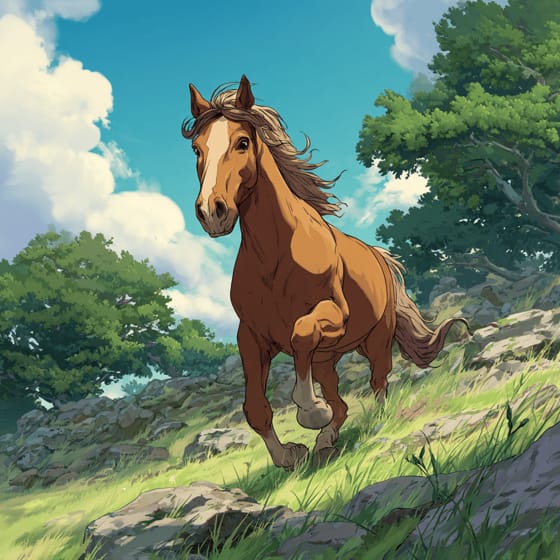
Equus caballus
Horses may suffer colic or other symptoms if they eat Stinkwort.
Aromatic plants produce and emit fragrant volatile organic compounds, often for defense or to attract pollinators.
Ornamental plants are cultivated primarily for their aesthetic appeal, enhancing landscapes and gardens with their attractive foliage, flowers, or form.
Summer blooming plants produce their flowers during the summer season, often providing vibrant color when many other plants have finished.
Drought-tolerant plants can survive and flourish in conditions with limited water availability.

Grassland habitats are terrestrial biomes dominated by grasses and herbaceous plants, supporting a variety of grazing animals.

Describes plants that are particularly attractive and beneficial to a wide range of pollinating organisms.
No aliases listed yet.
Danger
2/5 · Low
Don't touch or smell Stinkwort too much, as its scent can be very strong.
The easiest way to identify Stinkwort is to use the Snappit nature identifier app.
30-150 cm
20-80 cm
0.5-1.5 cm
Late summer to fall
No
Moderate
Annual
Zoom in to split clusters and explore where this object has been snapped.
Take the discovery with you
Snap it with Snappit to identify it, learn what makes it special, and add the discovery to your collection.










.jpg&width=800)



_001.jpg&width=800)




