





Striped Coralroot
Corallorhiza striata
Striped Coralroot is a special plant that grows in shady forests. It doesn't have leaves like most plants, but it has beautiful striped flowers that look like tiny orchids!
Habitat: Forests
The Striped Coralroot has striking purplish-brown to yellowish-green stems, often with darker stripes. Its small, hood-shaped flowers are striped with purple or reddish veins on a white or yellowish background, making it look quite distinct from other forest orchids.
Category
PlantsRarity
Common
Danger
1/5 · Very low
Snaps
3
It's a member of the orchid family, known for its beautiful and complex flowers!
Spotting a Striped Coralroot is a special treat, as it only blooms for a few weeks a year!
The Striped Coralroot can live for many years, even though its above-ground stem is short-lived!
This tricky plant sometimes grows in clusters, making a small patch of striped forest magic!
Striped Coralroot can secretly steal nutrients from underground fungi, allowing it to grow without needing sunlight!
It has coral-like underground rhizomes that form a strong network, helping it store energy and regenerate each year.
Its uniquely striped petals guide tiny forest insects directly to its pollen, ensuring successful pollination.
Russula brevipes
It steals nutrients from this fungus via forest trees.
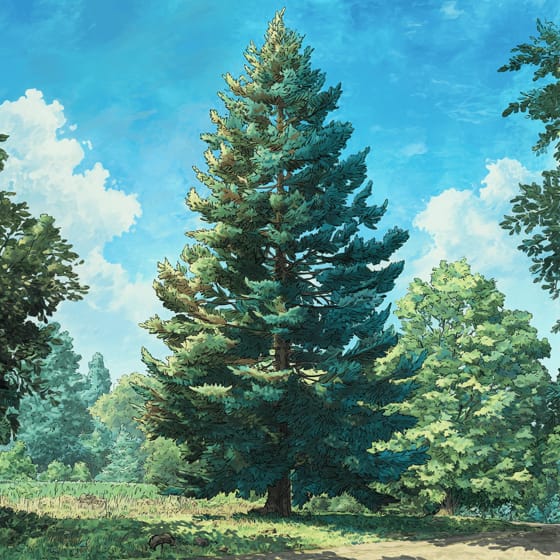
Pseudotsuga menziesii
It indirectly relies on nutrients from this tree's roots.
Lasioglossum vierecki
This tiny bee helps transfer pollen between its flowers.
This trait describes a symbiotic relationship between a fungus and the roots of a plant, benefiting both organisms.
Marked with parallel bands or lines of color.
Flowering plants are any plants that produce flowers as part of their reproductive cycle.
Shade tolerant plants are adapted to grow and thrive in areas with low light levels, requiring less direct sunlight.

Describes plants that are particularly attractive and beneficial to a wide range of pollinating organisms.

Describes a relationship between two different species where they live in close association, often benefiting one or both.

Forest habitats are terrestrial environments dominated by dense tree cover, supporting a high diversity of plant and animal life.

Endangered status indicates a species is at a very high risk of extinction in the wild in the near future.
No aliases listed yet.
Danger
1/5 · Very low
Always look but don't touch plants in the wild. Some can be delicate or harmful.
The easiest way to identify Striped Coralroot is to use the Snappit nature identifier app.
10-40 cm
1-2 cm
Spring-early summer
No
None
Perennial
Insect
Zoom in to split clusters and explore where this object has been snapped.

Michigan, US
You might spot Yellow Lady's Slipper and Ring-Billed Gull.
View guide →

New Mexico, US
You might spot Black-Billed Magpie and Gunnison's Prairie Dog.
View guide →

Washington, US
You might spot Broad-Leaved Stonecrop and Western Sword Fern.
View guide →

New Mexico, US
You might spot Black-Billed Magpie and Gunnison's Prairie Dog.
View guide →

British Columbia, CA
You might spot Douglas Fir, Silverleaf Phacelia, and Rocky Mountain Maple.
View guide →
Take the discovery with you
Snap it with Snappit to identify it, learn what makes it special, and add the discovery to your collection.







.jpg&width=800)



_001.jpg&width=800)



