





Striped Field Mouse
Apodemus agrarius
The Striped Field Mouse is a small, cute animal with stripes on its back. It loves to scurry around fields and gardens, looking for seeds and plants to eat. These little mice are very quick and can hide easily!
Habitat: Grasslands
The Striped Field Mouse has a distinctive dark stripe running down its reddish-brown or yellowish-brown back, from head to tail. Its underside is noticeably lighter, often grey or white. It possesses relatively small ears and eyes compared to many other mouse species.
Category
MammalsRarity
Common
Danger
1/5 · Very low
Snaps
Be the first to snap!
A Striped Field Mouse can jump surprisingly high to escape sudden danger.
Their long whiskers help them 'feel' their way around in the dark.
These tiny mice can have up to six litters in a single year!
They often create complex underground burrows with many escape tunnels.
The Striped Field Mouse has a bold dark stripe that helps it blend into tall grasses, making it harder for predators to spot.
Striped Field Mice can hear very high-frequency sounds, which helps them detect insects or the approach of predators.
Striped Field Mice can swiftly climb plants and small shrubs using their sharp claws to find food or escape danger.
These tiny mice are omnivores, munching on seeds, insects, and fruits from their habitat.
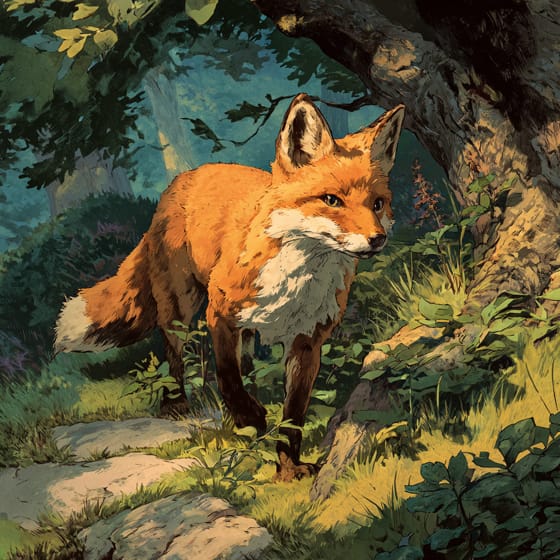
Vulpes vulpes
A common predator in grasslands.

Strix aluco
Hunts them from above at night.
Mustela nivalis
A small, agile hunter in their habitat.

Poa pratensis
Consumes its seeds and shoots.
Furry describes animals possessing a dense covering of soft hair or fur.
Marked with parallel bands or lines of color.
Social animals live in organized groups, cooperating for survival benefits such as foraging, defense, and raising offspring.
Burrowing animals dig tunnels and chambers in the ground, using these subterranean structures for shelter, hunting, or breeding.

Grassland habitats are terrestrial biomes dominated by grasses and herbaceous plants, supporting a variety of grazing animals.

This trait characterizes organisms whose diet consists entirely or primarily of plant material.

Diurnal animals are primarily active during daylight hours, typically resting or sleeping at night.

This trait identifies organisms that exhibit exceptional swiftness in movement for hunting, escape, or travel.
No aliases listed yet.
Danger
1/5 · Very low
If you see a mouse, it's best to watch from a distance and not try to touch it.
The easiest way to identify Striped Field Mouse is to use the Snappit nature identifier app.
7.5-12.5 cm
0.015-0.05 kg
1-2 years
15 km/h
These tiny mice are omnivores, munching on seeds, insects, and fruits from their habitat.
Grasslands
Foraging
Zoom in to split clusters and explore where this object has been snapped.
Recent snaps will appear here as new observations are added.
Take the discovery with you
Snap it with Snappit to identify it, learn what makes it special, and add the discovery to your collection.




.jpg&width=800)


.JPG&width=800)
.jpg&width=800)
