





subalpine larch
Larix lyallii
The subalpine larch is a special tree that grows in cool, high places. Its soft, green needles turn golden yellow in the fall, making it look like it's wearing a bright coat!
Habitat: Mountain regions
The subalpine larch has short, soft needles that turn a brilliant golden yellow in fall before they drop. Its bark is thin and scaly, often purplish-red to cinnamon-brown, and it grows in a gnarled, often wind-swept shape.
Category
PlantsRarity
Common
Danger
1/5 · Very low
Snaps
1
Growing in high mountains, it can withstand freezing winds and deep snow!
Its cones start as beautiful purplish-red structures, like tiny jewels!
It’s one of the rare conifers that drops all its needles every autumn!
The subalpine larch's needles turn a spectacular golden color before winter!
The subalpine larch sheds its needles each fall, which helps it save water and survive icy mountain winters.
The subalpine larch has super tough wood and deep roots that anchor it against extreme alpine winds.
The subalpine larch possesses thick, scaly bark that helps protect its inner layers from intense forest fires.
Sciurus douglasii
Relies on larch seeds for food.

Pinicola enucleator
Feeds on seeds from larch cones.
Ursus americanus
May strip bark for the inner cambium.

Glaucomys sabrinus
Nests in tree cavities and dense foliage.
Deciduous plants periodically shed all their leaves, typically during autumn or dry seasons.
Coniferous plants are typically evergreen, bearing needles or scales and reproductive cones.
Fall color refers to the seasonal change in foliage pigmentation, primarily in deciduous plants, displaying vibrant hues.
Timber refers to wood that has been prepared for use in building and carpentry.

This habitat trait identifies species found in mountainous regions, characterized by high elevation, steep slopes, and varying climate zones.

This trait signifies organisms belonging to a very old evolutionary group with ancestors dating back millions of years.

This trait characterizes organisms with an exceptionally long lifespan compared to others of their kind.

Describes a species whose presence and role have a disproportionately large effect on its environment.
No aliases listed yet.
Danger
1/5 · Very low
Stay on paths when exploring and be careful around trees.
The easiest way to identify subalpine larch is to use the Snappit nature identifier app.
1000-2500 cm
300-800 cm
Spring
No
None
Perennial
Wind
Zoom in to split clusters and explore where this object has been snapped.

Montana, US
You might spot Black Bear, Brown Bear, and Moose.
View guide →
British Columbia, CA
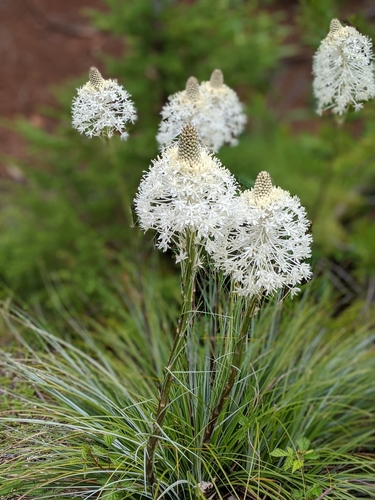
You might spot Common Beargrass and Subalpine Larch.
View guide →

British Columbia, CA
You might spot Subalpine Larch, Arrowleaf Senecio, and Moss Campion.
View guide →
Take the discovery with you
Snap it with Snappit to identify it, learn what makes it special, and add the discovery to your collection.








.jpg&width=800)



_001.jpg&width=800)



