





cup plant
Silphium perfoliatum
The cup plant is a tall, bright yellow flower that grows in sunny places. Its leaves form cups that can hold rainwater, making it a fun plant for insects and birds.
Habitat: Wetlands
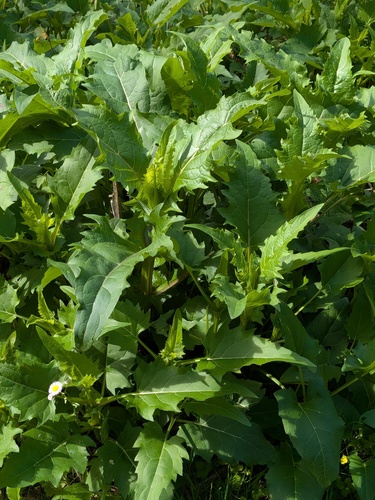
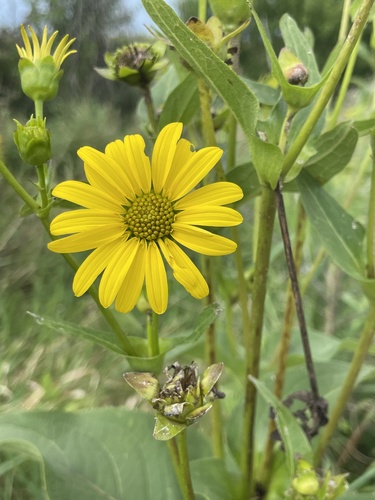
The cup plant has distinctive square stems and large, triangular leaves that fuse at their bases around the stem, forming cup-like structures. Its bright yellow, daisy-like flowers bloom atop tall stalks, making it easily noticeable in open fields.
Category
PlantsRarity
Common
Danger
1/5 · Very low
Snaps
19
Birds love to drink water collected in its leaf-cups, making it a natural bird bath!
Its strong square stem helps it stand tall even in windy weather!
Native Americans once used cup plant for its medicinal properties and as chewing gum.
This plant can grow taller than a grown-up, sometimes over 10 feet high!
The cup plant has paired leaves that grow together around its stem, creating little cups that can hold rainwater for thirsty insects and birds.
Cup plant can send roots very deep into the soil to find water, helping it survive dry spells better than many other plants.
Cup plant can attract many different bees and butterflies with its abundant nectar and pollen, making it a busy insect hub.
Apis mellifera
Gathers nectar and pollen

Bombus impatiens
Important native pollinator
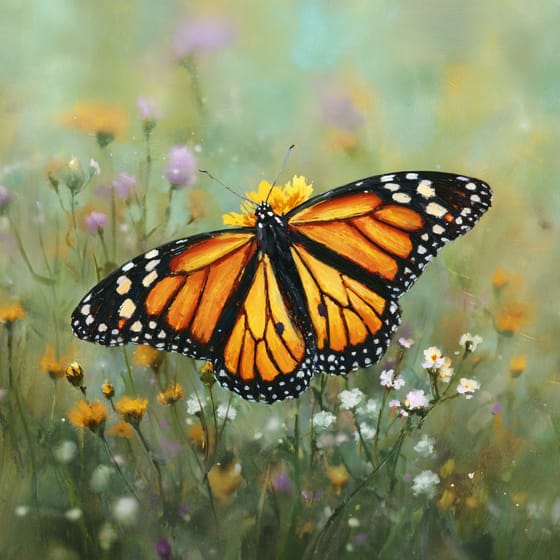
Danaus plexippus
Visits flowers for nectar
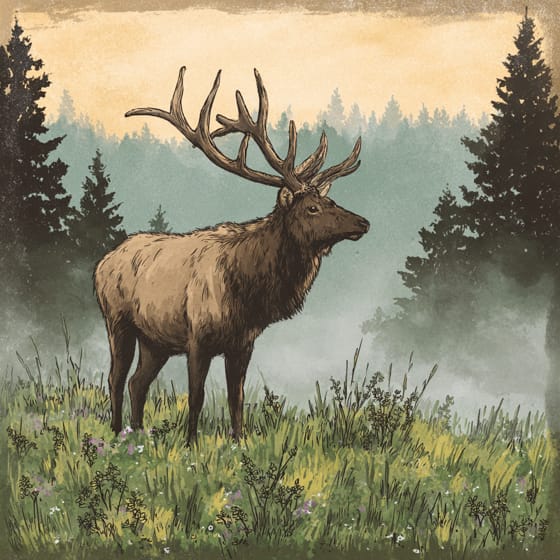
Cervus canadensis
Browses young plants

Odocoileus virginianus
Feeds on foliage
Deciduous plants periodically shed all their leaves, typically during autumn or dry seasons.
Flowering plants are any plants that produce flowers as part of their reproductive cycle.
Summer blooming plants produce their flowers during the summer season, often providing vibrant color when many other plants have finished.
Broadleaf trees are angiosperms characterized by flat, wide leaves that are typically shed annually in temperate climates.

Describes plants that are particularly attractive and beneficial to a wide range of pollinating organisms.

Rapid growing plants exhibit accelerated growth rates, quickly increasing in size and biomass within a short period.

This habitat trait identifies species found in wetlands, which are areas of land saturated with water, either permanently or seasonally, including marshes, swamps, and bogs.

Describes a species whose presence and role have a disproportionately large effect on its environment.
No aliases listed yet.
Danger
1/5 · Very low
Always look but don't touch plants without asking an adult.
The easiest way to identify cup plant is to use the Snappit nature identifier app.
180-300 cm
60-120 cm
5-8 cm
Summer to early fall
Yes
None
Perennial
Zoom in to split clusters and explore where this object has been snapped.
May 23, 2026
Cleveland Cultural GardensPhoto attribution
(c) Michael and Antoni Hinczewski, some rights reserved (CC BY)
License: CC BY 4.0 ↗
Image may be shown cropped inside the card frame.
Aug 15, 2024
High Trestle TrailPhoto attribution
no rights reserved
License: CC0 1.0 ↗
Image may be shown cropped inside the card frame.

Michigan, US
You might spot Eastern Gray Squirrel, Tree-Of-Heaven, and House Sparrow.
View guide →
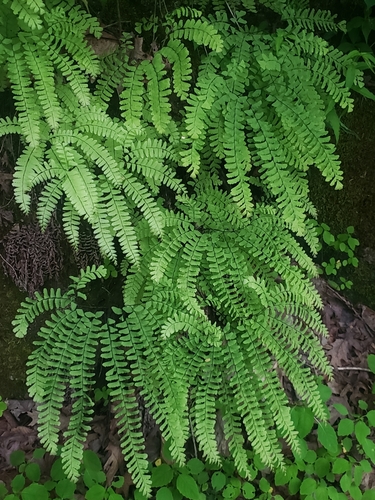
Iowa, US
You might spot Northern Maidenhair Fern and Wood Nettle.
View guide →

Iowa, US
You might spot Common Eastern Bumble Bee and Eastern Cottontail.
View guide →
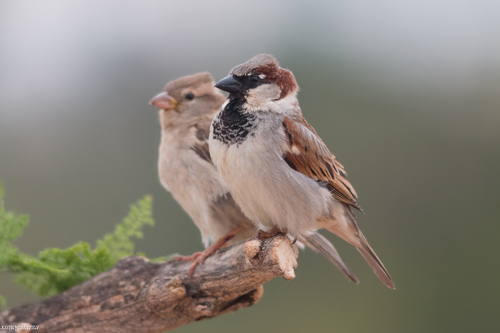
Pennsylvania, US
You might spot House Sparrow, Spotted Lanternfly, and American Robin.
View guide →

Ohio, US
You might spot Spotted Lanternfly and Eastern Fox Squirrel.
View guide →

Iowa, US
You might spot Common Milkweed, Amur Honeysuckle, and Canada Anemone.
View guide →
Take the discovery with you
Snap it with Snappit to identify it, learn what makes it special, and add the discovery to your collection.







.jpg&width=800)


_001.jpg&width=800)




