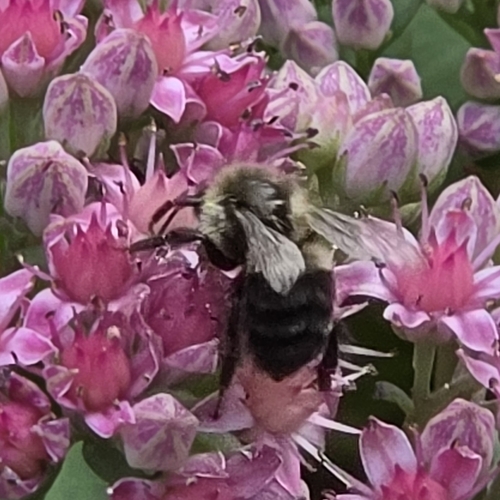
Bee

Rockdale Common Housing District is a captivating journey into New England's industrial past.
Rockdale Common Housing District is a captivating journey into New England's industrial past. This historic district, nestled in Northbridge, Massachusetts, preserves a unique collection of mill worker housing built by the influential Whitin family. Listed on the National Register of Historic Places, it offers a tangible connection to the lives of the French-Canadian immigrants and other laborers who powered the region's textile industry.
Visitors can explore a distinctive streetscape featuring several architectural styles prevalent in late 19th and early 20th-century worker housing. Highlights include the sturdy six-unit rowhouses and the prominent triple-decker apartment blocks, some boasting charming Colonial Revival styling with notable front porches and polygonal window bays. One building also showcases Italianate architectural details, providing a diverse visual experience for architecture enthusiasts. While not a traditional park with curated wildlife, the communal feel and historic residential setting offer a glimpse into the community life centered around these structures.
This district is an essential destination for anyone interested in industrial heritage, American social history, and period architecture. Walking its streets provides a peaceful, immersive experience, allowing you to appreciate the craftsmanship and the stories embedded within these enduring homes. It stands as a testament to the Whitin family's efforts to house their workforce and the lasting legacy of the Blackstone River Valley's textile era. Turn your visit into a safari! Use the Snappit app to scan and log wildlife sightings here.
The Rockdale Common Housing District's origins are deeply intertwined with the industrial boom of Northbridge, Massachusetts. The village of Rockdale emerged as an industrial center in the early 19th century, gaining significant momentum when the prominent Whitin family, major players in the Blackstone River Valley textile industry, acquired mill privileges in the 1860s. To ensure a stable workforce for their expanding textile operations, the Whitins embarked on a comprehensive building program, constructing housing, schools, and other community facilities. Between approximately 1880 and 1920, the Whitin family built the collection of tenement houses that now form the Rockdale Common Housing District. This period saw an influx of French-Canadian immigrants, who were drawn to work in the mills, necessitating additional housing. The district, comprising seven residential structures located on McBride, Plantation, and Taft Streets, and Church Avenue, was officially recognized for its historical significance and added to the National Register of Historic Places in 1983.
Take a self-guided walking tour to observe the various architectural styles and details of the late 19th and early 20th-century worker housing. Imagine the lives of the mill workers who once resided here and appreciate the enduring craftsmanship of these buildings.
Spring/Fall: Enjoy comfortable temperatures and scenic foliage (in fall).
Summer: Lush greenery, but can be warm.
Winter: Picturesque with snow, but be prepared for cold weather and potentially icy sidewalks.
As an active residential district, accessibility is primarily limited to public sidewalks. Most of the experience involves exterior viewing from public thoroughfares.
The collection of historic tenement houses, particularly the Colonial Revival triple-decker apartment blocks with their distinctive polygonal window bays and front porches, and the Italianate-styled six-unit building.
Each card links to a full Explore page with photos, traits, and fun facts.
Start with the big picture, then zoom in to explore individual wildlife observations around this place.
Respect residents
Remember that these are active residences; be mindful of noise and privacy.
Stay on public sidewalks
All viewing should be done from public thoroughfares.
Bring a good camera
The varied architectural details offer excellent photographic opportunities.
Wear comfortable shoes
The best way to experience the district is by walking.
Research before you go
Familiarize yourself with the architectural styles (Colonial Revival, Italianate) to better appreciate the details.
Combine with other local history
Explore other industrial heritage sites in Northbridge or the wider Blackstone River Valley for a richer historical context.
Jun 19, 2026
Photo attribution
(c) Betsy Lambert, some rights reserved (CC BY)
License: CC BY 4.0 ↗
Image may be shown cropped inside the card frame.
Jun 18, 2026
Photo attribution
(c) Betsy Lambert, some rights reserved (CC BY)
License: CC BY 4.0 ↗
Image may be shown cropped inside the card frame.
Jun 18, 2026
Photo attribution
(c) Betsy Lambert, some rights reserved (CC BY)
License: CC BY 4.0 ↗
Image may be shown cropped inside the card frame.
Jun 18, 2026
Photo attribution
(c) Betsy Lambert, some rights reserved (CC BY)
License: CC BY 4.0 ↗
Image may be shown cropped inside the card frame.
Jun 17, 2026
Photo attribution
(c) Betsy Lambert, some rights reserved (CC BY)
License: CC BY 4.0 ↗
Image may be shown cropped inside the card frame.

Maryland, US
You might spot White-Tailed Deer and Eastern Gray Squirrel.
View guide →
.jpg)
District of Columbia, US
You might spot Eastern Gray Squirrel, Duck, and House Sparrow.
View guide →

Illinois, US
You might spot American Robin, Canada Goose, and House Sparrow.
View guide →

Virginia, US
You might spot Spotted Lanternfly and Northern Cardinal.
View guide →
Take the discovery with you
Identify the wildlife you spot, learn as you go, and keep a collection of the adventure.