





Sulphur Moth
Hesperumia sulphuraria
The Sulphur Moth is a small, yellowish moth that loves to fly around at night. It has beautiful wings that can look like soft yellow clouds in the moonlight!
Habitat: Urban areas
The Sulphur Moth has bright, vibrant sulphur-yellow wings, often unmarked or with very faint dusky dusting. Its cheerful color makes it stand out from greener foliage but blend beautifully with yellow flowers.
Category
InsectsRarity
Common
Danger
1/5 · Very low
Snaps
1
Its caterpillar stage is a leafy green color, perfectly camouflaged on its favorite plants!
Like tiny detectives, Sulphur Moths use chemical signals called pheromones to find a mate.
They undergo an amazing transformation, changing from a munching caterpillar into a winged adult!
This moth is one of the few that often flies during the day, seeking sunlight!
Sulphur Moth has bright yellow wings that help them blend in perfectly with many yellow flowers, hiding from hungry predators.
Sulphur Moth can navigate and find flowers even in dim light or at night, thanks to its special light-sensitive eyes.
Sulphur Moth uses its feathery antennae like super sniffers to find distant flower nectar and even detect other moths.
Adult Sulphur Moths sip sweet nectar from flowers, while their caterpillars munch on plant leaves.
Age differences: Larvae (caterpillars) primarily consume plant leaves, while adult moths feed on flower nectar.
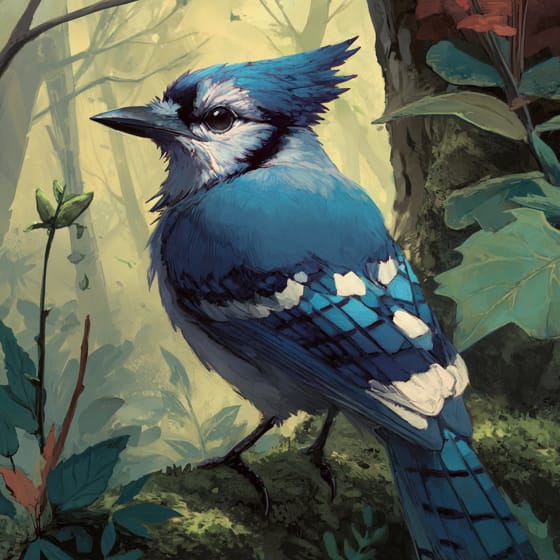
Cyanocitta cristata
Blue Jays hunt and eat many types of moths.
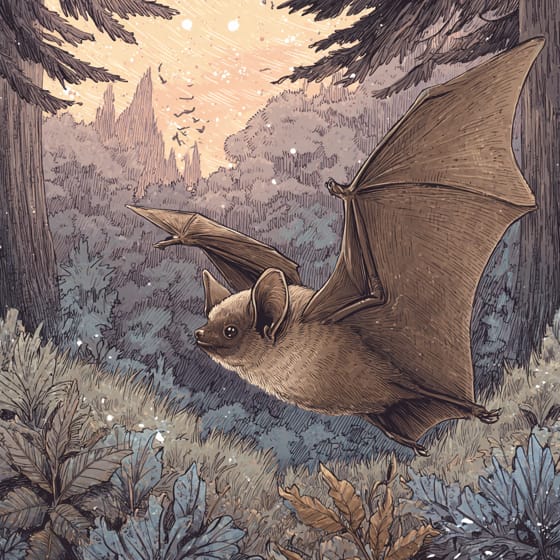
Myotis lucifugus
Bats are nocturnal predators, catching moths in flight at night.

Populus tremuloides
Caterpillars feed on the leaves of this tree.
Solidago canadensis
Adult moths visit goldenrod flowers to drink nectar.
Solitary animals live alone for most of their lives, only interacting with others for mating or parental care.
Camouflaged describes organisms that possess coloring or patterns that allow them to blend into their environment.
Colorful describes organisms or objects displaying a wide range of bright and distinct colors.
This trait characterizes organisms whose diet consists entirely or primarily of plant material.

Describes plants that are particularly attractive and beneficial to a wide range of pollinating organisms.

This habitat trait indicates species that can coexist with humans in urban and suburban environments, utilizing man-made structures and green spaces.

Nocturnal animals are primarily active during the nighttime hours, typically resting or sleeping during the day.

Describes organisms that transfer pollen, enabling the fertilization and reproduction of plants.
No aliases listed yet.
Danger
1/5 · Very low
Moths are harmless, but it's best to watch them from a distance.
The easiest way to identify Sulphur Moth is to use the Snappit nature identifier app.
22-28 mm
11-14 mm
7-14 days
8 km/h
Adult Sulphur Moths sip sweet nectar from flowers, while their caterpillars munch on plant leaves.
Urban areas
Foraging
Zoom in to split clusters and explore where this object has been snapped.
Take the discovery with you
Snap it with Snappit to identify it, learn what makes it special, and add the discovery to your collection.









.jpg&width=800)



