.jpg&width=800)





Sundew
Drosera L.
Sundews are fascinating plants that catch insects with their sticky tentacles. They grow in wetlands and have shiny drops that look like dew, but are actually a trap for bugs.
Habitat: Wetlands
The Sundew is a captivating plant with rosettes of leaves covered in glistening, jewel-like drops of sticky mucilage. Its tentacles, often reddish or green, give it a sparkling appearance, making it look distinctively 'dewy' and attractive.
Category
PlantsRarity
Common
Danger
1/5 · Very low
Snaps
Be the first to snap!
Many sundews have beautiful, tiny flowers that grow on tall stalks away from their sticky traps!
Some sundews can curl their entire leaf around bigger prey to digest them faster!
Sundews are found on every continent except Antarctica, growing in diverse habitats!
The 'dew' on sundews is actually a super sticky plant glue, not real water!
Sundew can produce glistening, sugary dew to attract and trap insects, ensuring it gets vital nutrients from its prey.
Sundew has sensitive tentacles that can slowly bend and hug captured prey, maximizing contact for digestion.
Sundew can absorb nutrients from digested insects, allowing it to thrive in nutrient-poor soils where other plants struggle.
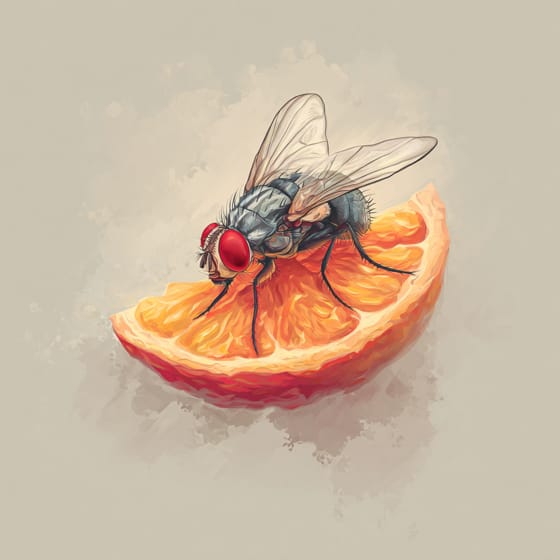
Drosophila melanogaster
Trapped by sticky leaves for nutrients
Culex pipiens
Attracted to dew and becomes trapped

Sphagnum palustre
Creates acidic, nutrient-poor bog habitat
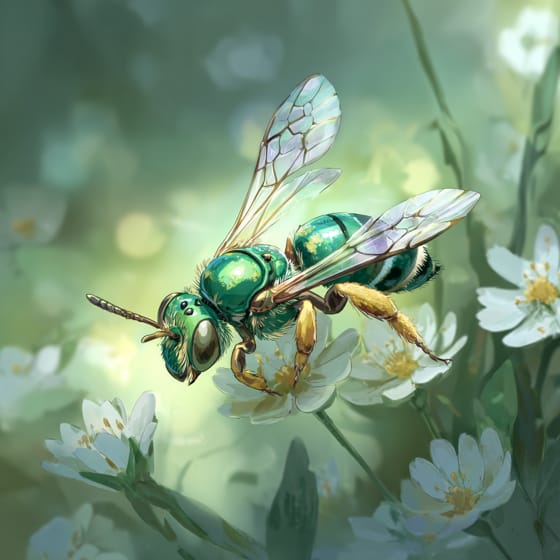
Lasioglossum vierecki
Visits flowers for nectar, aiding reproduction
Shade tolerant plants are adapted to grow and thrive in areas with low light levels, requiring less direct sunlight.
Night blooming plants open their flowers after sunset, often to attract nocturnal pollinators with their scent and appearance.
Carnivorous plants are predatory flowering plants that derive some or most of their nutrients from trapping and consuming animals or protozoans.
This habitat trait identifies species found in wetlands, which are areas of land saturated with water, either permanently or seasonally, including marshes, swamps, and bogs.
No aliases listed yet.
Danger
1/5 · Very low
Admire sundews from a distance and avoid touching them to let them catch bugs in peace.
The easiest way to identify Sundew is to use the Snappit nature identifier app.
2-30 cm
2-20 cm
0.3-2 cm
Spring, Summer
No
None
Perennial
Zoom in to split clusters and explore where this object has been snapped.
Recent snaps will appear here as new observations are added.
Take the discovery with you
Snap it with Snappit to identify it, learn what makes it special, and add the discovery to your collection.









.jpg&width=800)



_001.jpg&width=800)



