





sunshine mimosa
Mimosa strigillosa
The sunshine mimosa is a cheerful flower that loves to soak up the sun! Its fluffy pink blooms look like little pom-poms and attract butterflies and bees, making it a happy spot in gardens.
Habitat: Urban areas
The sunshine mimosa is a low-growing plant with delicate, fern-like green leaves. It has distinctive fluffy, spherical flowers that are vibrant pink to purplish. Its spreading habit forms a soft, dense groundcover, unlike taller mimosa species.
Category
PlantsRarity
Common
Danger
1/5 · Very low
Snaps
7
Did you know some people call it a 'tickle-me plant' because its leaves react to a gentle touch?
Its fuzzy pink flowers look like tiny exploding stars when they bloom in the sun!
The sunshine mimosa's delicate leaves fold up tightly every evening to 'sleep' for the night!
This tough plant can grow a super long taproot deep into the soil to find precious water!
Sunshine mimosa can rapidly fold its feathery leaves inward when touched, helping it deter hungry critters or protect itself from harsh conditions.
Sunshine mimosa has special root nodules that can convert nitrogen from the air into plant food, enriching the soil for itself and neighbors.
Sunshine mimosa has a creeping, spreading growth habit that helps it quickly cover and stabilize soil, preventing erosion on slopes.
Apis mellifera
visits flowers for nectar and pollen
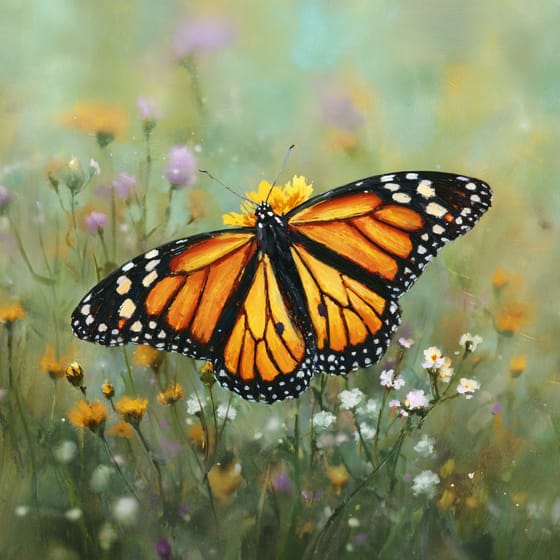
Danaus plexippus
feeds on the flower nectar
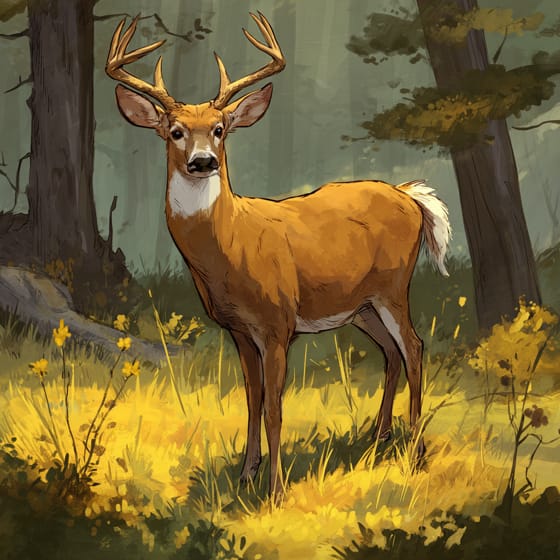
Odocoileus virginianus
grazes on its leaves and stems
Bombus impatiens
collects nectar from its blooms
Deciduous plants periodically shed all their leaves, typically during autumn or dry seasons.
Flowering plants are any plants that produce flowers as part of their reproductive cycle.
Summer blooming plants produce their flowers during the summer season, often providing vibrant color when many other plants have finished.
Fragrant flowers emit a pleasant aroma, often to attract pollinators or for defense.

Drought-tolerant plants can survive and flourish in conditions with limited water availability.

Describes plants that are particularly attractive and beneficial to a wide range of pollinating organisms.

Rapid growing plants exhibit accelerated growth rates, quickly increasing in size and biomass within a short period.

This habitat trait indicates species that can coexist with humans in urban and suburban environments, utilizing man-made structures and green spaces.
No aliases listed yet.
Danger
1/5 · Very low
Always be gentle when touching plants, and wash your hands after playing outside.
The easiest way to identify sunshine mimosa is to use the Snappit nature identifier app.
5-30 cm
60-180 cm
1-2 cm
Spring to Fall
No
None
Perennial
Zoom in to split clusters and explore where this object has been snapped.

Louisiana, US
You might spot Heavenly Bamboo, Rio Grande Copper Lily, and Ballmoss.
View guide →

US
You might spot Brown Pelican, Boat-Tailed Grackle, and Great Egret.
View guide →

Louisiana, US
You might spot Mississippi River Wakerobin and Lyreleaf Sage.
View guide →

Florida, US
You might spot Anhinga, American Alligator, and Wood Duck.
View guide →

Louisiana, US
You might spot Rough Horsetail, Northern Mockingbird, and Anole.
View guide →

Florida, US
You might spot Julia Heliconian, Marlberry, and White Peacock.
View guide →
Take the discovery with you
Snap it with Snappit to identify it, learn what makes it special, and add the discovery to your collection.







.jpg&width=800)


_001.jpg&width=800)




