Swamp Beacon
mitrula elegans
The Swamp Beacon is a unique mushroom that glows in the dark, lighting up the forest floor! Kids will love exploring at night to see this magical fungus shine brightly.
Habitat: Swamps and marshes
The Swamp Beacon is a tiny, club-shaped fungus with a bright yellow to orange, gelatinous head perched atop a slender, pale white stem. It often appears to be a miniature lollipop, frequently found in soggy, mossy areas or even partially submerged in water.
Category
FungiRarity
Common
Danger
1/5 · Very low
Snaps
3
It loves water so much, you can often spot it growing right in shallow streams!
Its scientific name, Mitrula elegans, means 'elegant little cap' – fancy!
This tiny fungus looks like a lollipop stick that's fallen into the mud.
Unlike most mushrooms, it doesn't have gills under its cap to release spores!
Swamp Beacon has a rubbery, resilient texture that helps it thrive even when submerged in chilly, flowing water.
Swamp Beacon can break down dead leaves and wood because its enzymes return vital nutrients to the forest floor.
Swamp Beacon has a vibrant orange cap that might attract tiny insects to help spread its spores far and wide.
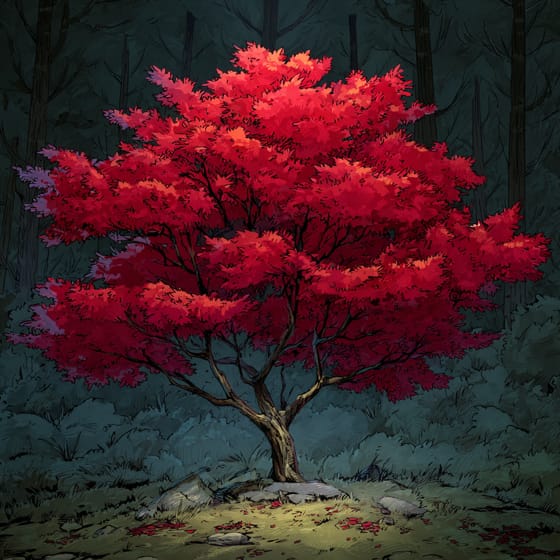
Acer rubrum
Decomposes its fallen leaves and twigs.
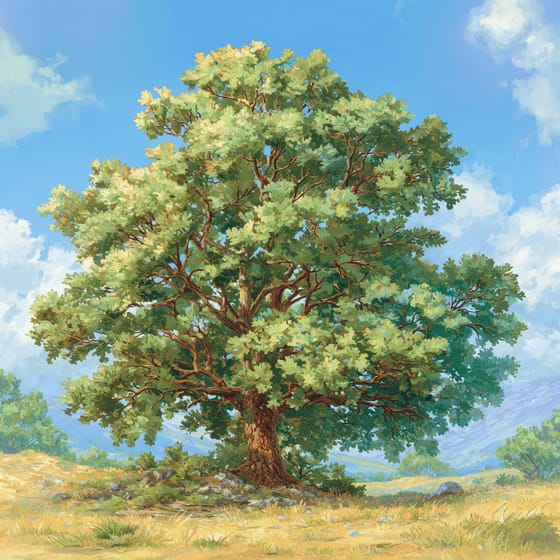
Quercus alba
Breaks down decaying wood and leaf litter.
Limax maximus
Small slugs and snails sometimes graze on it.
Solitary animals live alone for most of their lives, only interacting with others for mating or parental care.
Colorful describes organisms or objects displaying a wide range of bright and distinct colors.
Describes organisms that break down dead organic material, recycling nutrients back into the ecosystem.
Aquatic habitats encompass environments where organisms live predominantly in water, including oceans, rivers, lakes, and wetlands.

Nocturnal animals are primarily active during the nighttime hours, typically resting or sleeping during the day.
Danger
1/5 · Very low
Always ask an adult before touching wild mushrooms!
The easiest way to identify Swamp Beacon is to use the Snappit nature identifier app.
2-8 cm
inedible
0.5-1.5 cm
Swamps and marshes
leaf litter
Spring to fall
White
Zoom in to split clusters and explore where this object has been snapped.

Maine, US
You might spot Duck, Snapping Turtle, and Yellow Trout Lily.
View guide →

Ohio, US
You might spot Eastern Newt, Eastern Hemlock, and American Cancer-Root.
View guide →

Connecticut, US
You might spot American Chestnut, Sweet Pepperbush, and American Beech.
View guide →
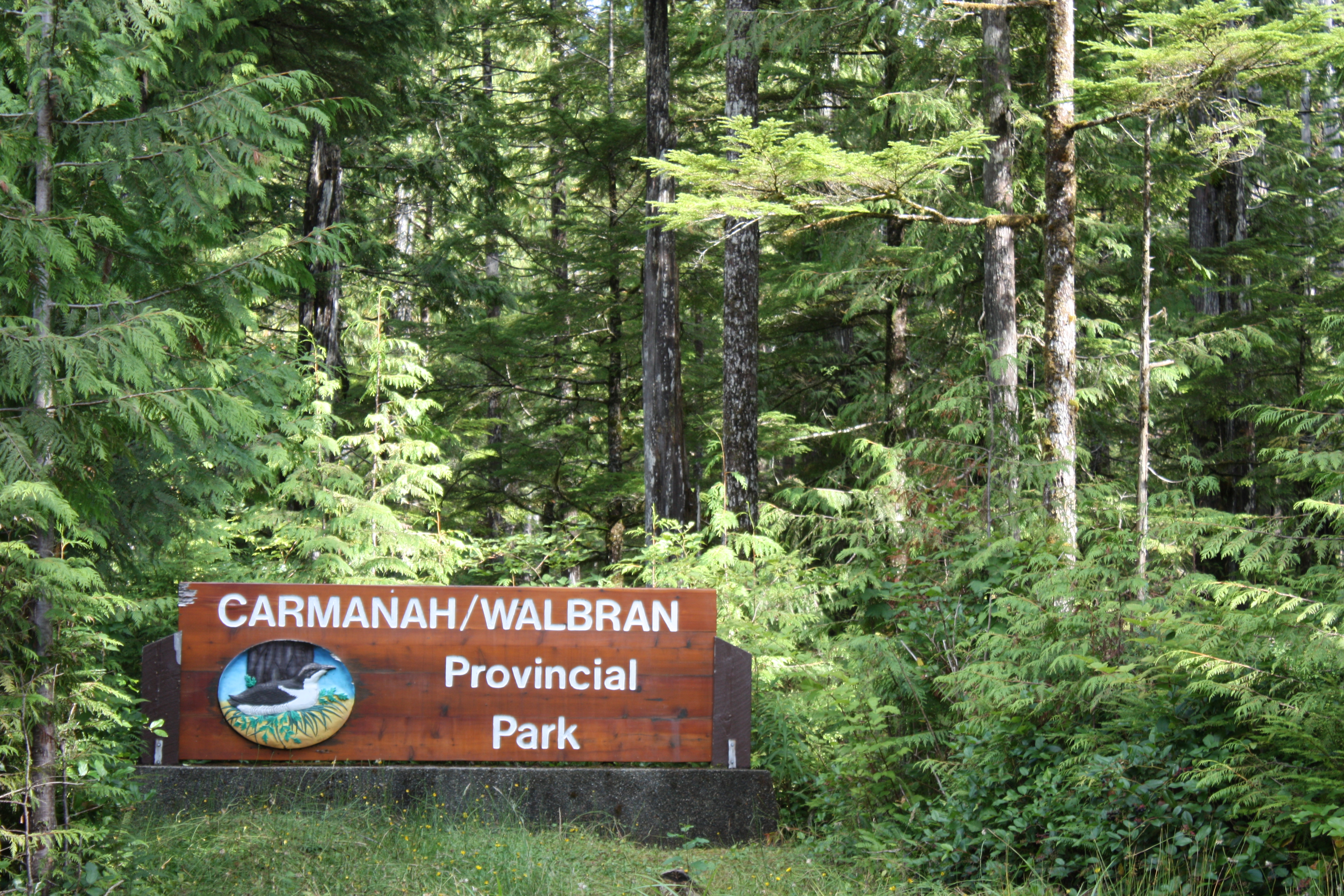
British Columbia, CA
You might spot Pacific Banana Slug and Round-Leaved Sundew.
View guide →
Take the discovery with you
Snap it with Snappit to identify it, learn what makes it special, and add the discovery to your collection.