





Swamp Chestnut Oak
quercus michauxii
The Swamp Chestnut Oak is a big tree that grows in wet areas. Its large, green leaves provide shade and food for many animals!
Habitat: Wetlands and floodplains in the southeastern United States.
The Swamp Chestnut Oak is a stately tree featuring large, glossy dark green leaves with rounded teeth, resembling those of a chestnut tree. Its bark is light grey, scaly, and often deeply furrowed, providing a rugged texture. It produces large, shiny brown acorns with a distinctive cap covering about one-third.
Category
PlantsRarity
Common
Danger
0/5 · No known danger
Snaps
Be the first to snap!
Its acorns are some of the largest of any oak, often reaching over an inch long!
Its strong, dense wood was once highly prized for construction, furniture, and even barrels!
This tree is perfectly happy growing in areas that frequently flood, earning its "swamp" name!
Unlike many oaks, the acorns of this tree are less bitter and can be eaten by humans after simple processing!
Swamp Chestnut Oak can thrive in soggy soil thanks to adaptations that help its roots get oxygen even when flooded, helping it survive.
This oak produces large, sweet acorns that provide a super nutritious food source for wildlife, helping them survive and reproduce.
Swamp Chestnut Oak has incredibly strong, durable wood, making it resistant to harsh weather, helping it survive for centuries.
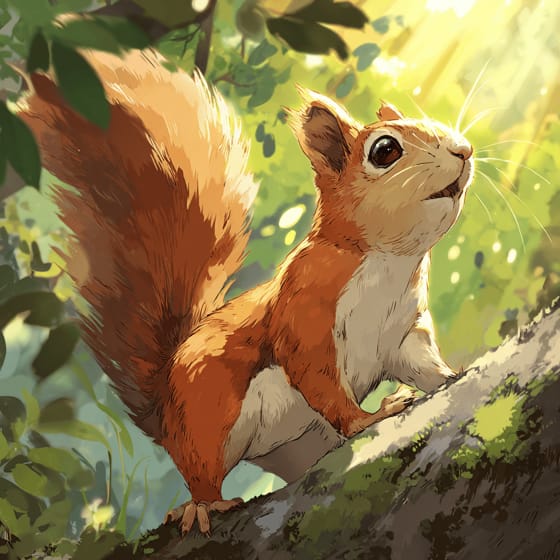
Sciurus carolinensis
Feeds on and disperses acorns
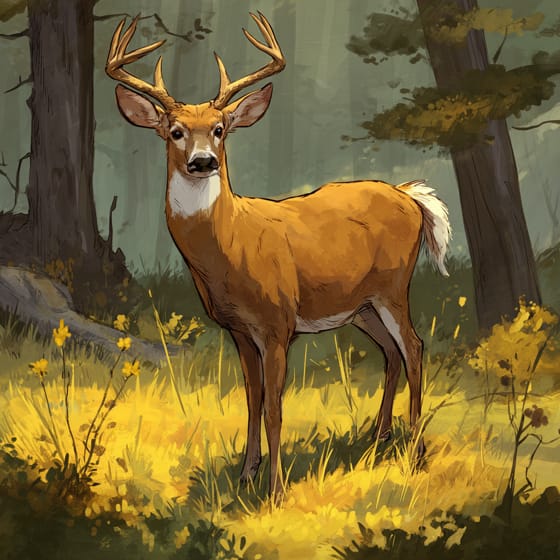
Odocoileus virginianus
Browses leaves and consumes fallen acorns
Meleagris gallopavo
Forages for acorns on the forest floor
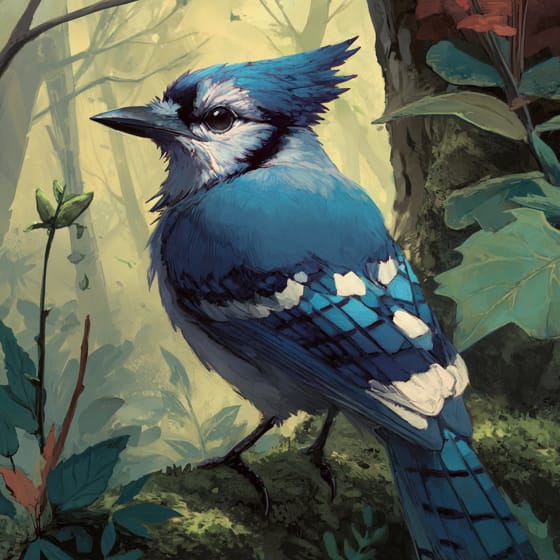
Cyanocitta cristata
Collects and caches acorns, aiding dispersal
Social animals live in organized groups, cooperating for survival benefits such as foraging, defense, and raising offspring.
Colorful describes organisms or objects displaying a wide range of bright and distinct colors.
This trait characterizes organisms whose diet consists entirely or primarily of plant material.
Forest habitats are terrestrial environments dominated by dense tree cover, supporting a high diversity of plant and animal life.

Endangered status indicates a species is at a very high risk of extinction in the wild in the near future.
Danger
0/5 · No known danger
No special safety notes yet.
The easiest way to identify Swamp Chestnut Oak is to use the Snappit nature identifier app.
2000-3500 cm
1500-2500 cm
Spring
Yes
Mild
Perennial
Wind
Zoom in to split clusters and explore where this object has been snapped.
Recent snaps will appear here as new observations are added.
Take the discovery with you
Snap it with Snappit to identify it, learn what makes it special, and add the discovery to your collection.









.jpg&width=800)



_001.jpg&width=800)




