





Ternate Desert-parsley
Lomatium triternatum
The Ternate Desert-parsley is a unique plant with beautiful yellow flowers. It grows in dry areas and has a special shape that helps it survive in the desert.
Habitat: Desert
The Ternate Desert-parsley has slender, upright stems topped with flat-topped clusters of tiny, bright yellow flowers. Its distinctive gray-green leaves are finely divided into three parts, resembling a bird's foot.
Category
PlantsRarity
Common
Danger
1/5 · Very low
Snaps
Be the first to snap!
After blooming, it makes cool, flat, winged seeds that float away!
It belongs to the amazing carrot family, sharing genes with your favorite veggies!
Its tasty roots were a key food for Native Americans in spring!
The plant’s name, *triternatum*, means its leaves are divided into three sections, three times!
Ternate Desert-parsley has a deep taproot that allows it to survive in dry desert conditions by reaching underground water sources.
Its bright yellow, umbrella-like flowers act as a vibrant beacon, attracting many tiny insects for successful pollination.
The Ternate Desert-parsley stores energy and nutrients in its thick, starchy taproot, helping it endure harsh dry spells.
Apis mellifera
Collects nectar and pollen from its tiny yellow flowers.
Bombus occidentalis
Bumblebees visit the flower clusters for vital sustenance.
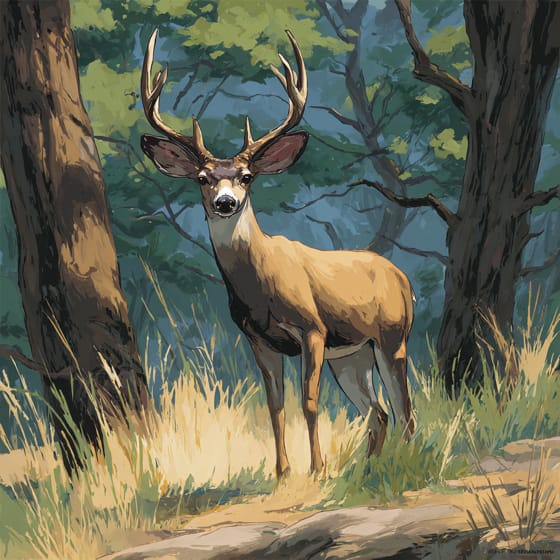
Odocoileus hemionus
Mule deer may browse on its foliage, especially in early spring.
Flowering plants are any plants that produce flowers as part of their reproductive cycle.
Spring blooming plants produce their flowers during the spring season, often signifying the end of winter and the start of new growth.
Medicinal plants possess chemical compounds that can be used for therapeutic purposes to treat illnesses or maintain health.
Drought-tolerant plants can survive and flourish in conditions with limited water availability.

Edible plants are those parts of a plant that are considered safe for human consumption.

Describes plants that are particularly attractive and beneficial to a wide range of pollinating organisms.

Desert habitats are arid regions characterized by extremely low precipitation and often extreme temperatures, supporting specialized flora and fauna.

Endangered status indicates a species is at a very high risk of extinction in the wild in the near future.
No aliases listed yet.
Danger
1/5 · Very low
Always look but don't touch plants unless you know they are safe.
The easiest way to identify Ternate Desert-parsley is to use the Snappit nature identifier app.
20-100 cm
15-30 cm
0.2-0.5 cm
Spring
Yes
None
Perennial
Zoom in to split clusters and explore where this object has been snapped.
Recent snaps will appear here as new observations are added.
Take the discovery with you
Snap it with Snappit to identify it, learn what makes it special, and add the discovery to your collection.








.jpg&width=800)



_001.jpg&width=800)



