.jpg&width=800)




Texas bluebonnet
Lupinus texensis
The Texas bluebonnet is a beautiful blue flower that blooms in spring. It is the state flower of Texas and grows in big, colorful patches that look like a blue blanket on the ground.
Habitat: Grasslands
The Texas bluebonnet has dense spikes of vibrant blue, pea-like flowers, often with a distinctive white or sometimes reddish-purple spot on its top petal. Its palmate leaves are typically gray-green, forming a compact rosette, distinguishing it by its intensely blue, often clustered blooms.
Category
PlantsRarity
Common
Danger
1/5 · Very low
Snaps
6
Bluebonnet flowers actually change color! The white spot on top can turn reddish-purple after pollination.
In some parts of Texas, entire fields turn into a giant blue carpet when these flowers bloom!
It's the official state flower of Texas, making it a true botanical superstar!
The 'bonnet' in its name comes from the flower's shape, which looks like a pioneer woman's sunbonnet.
Texas bluebonnet has special root bacteria that capture nitrogen from the air, enriching the soil for itself and others.
Its tough seeds can lie dormant in the soil for years, waiting for perfect conditions to sprout and grow.
Texas bluebonnet produces bitter chemicals in its leaves and seeds, deterring most hungry animals from eating it.
Apis mellifera
collects nectar and pollen
Bombus impatiens
vibrates flowers to release pollen
Rhizobium leguminosarum
fixes nitrogen in root nodules
_(8-2-12)_san_rafael_grassland%2C_scc%2C_az_-01_(7701313806).jpg&width=800)
Hemiargus isola
caterpillars feed on leaves
Flowering plants are any plants that produce flowers as part of their reproductive cycle.
Describes organisms capable of converting atmospheric nitrogen into compounds usable by plants.
Spring blooming plants produce their flowers during the spring season, often signifying the end of winter and the start of new growth.
Colorful describes organisms or objects displaying a wide range of bright and distinct colors.

Grassland habitats are terrestrial biomes dominated by grasses and herbaceous plants, supporting a variety of grazing animals.

Describes plants that are particularly attractive and beneficial to a wide range of pollinating organisms.
No aliases listed yet.
Danger
1/5 · Very low
Do not pick flowers without asking an adult first, so everyone can enjoy them!
The easiest way to identify Texas bluebonnet is to use the Snappit nature identifier app.
15-40 cm
15-30 cm
1-2 cm
Early spring to late spring
No
Mild
Annual
Zoom in to split clusters and explore where this object has been snapped.

Texas, US
You might spot Christmas Cholla, Dakota Mock Vervain, and Honey Mesquite.
View guide →

Texas, US
You might spot Reticulated Giraffe, Grant's Zebra, and Ostrich.
View guide →

Texas, US
You might spot Bottlenose Dolphin and Sea Turtle.
View guide →
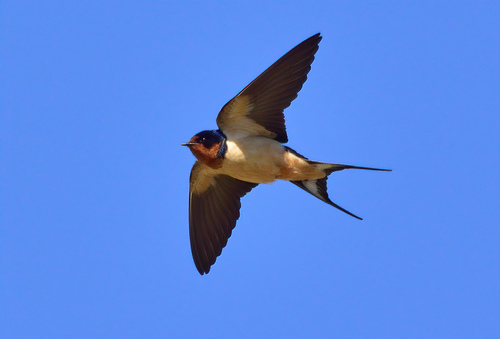
Texas, US
You might spot Barn Swallow, House Sparrow, and Indian Peafowl.
View guide →

Texas, US
You might spot Pipevine Swallowtail, Texas Spiny Lizard, and Queen.
View guide →

Texas, US
You might spot Mexican Buckeye, Agarita, and Monarch.
View guide →
Take the discovery with you
Snap it with Snappit to identify it, learn what makes it special, and add the discovery to your collection.








.jpg&width=800)



_001.jpg&width=800)




